Last updated November 17, 2026
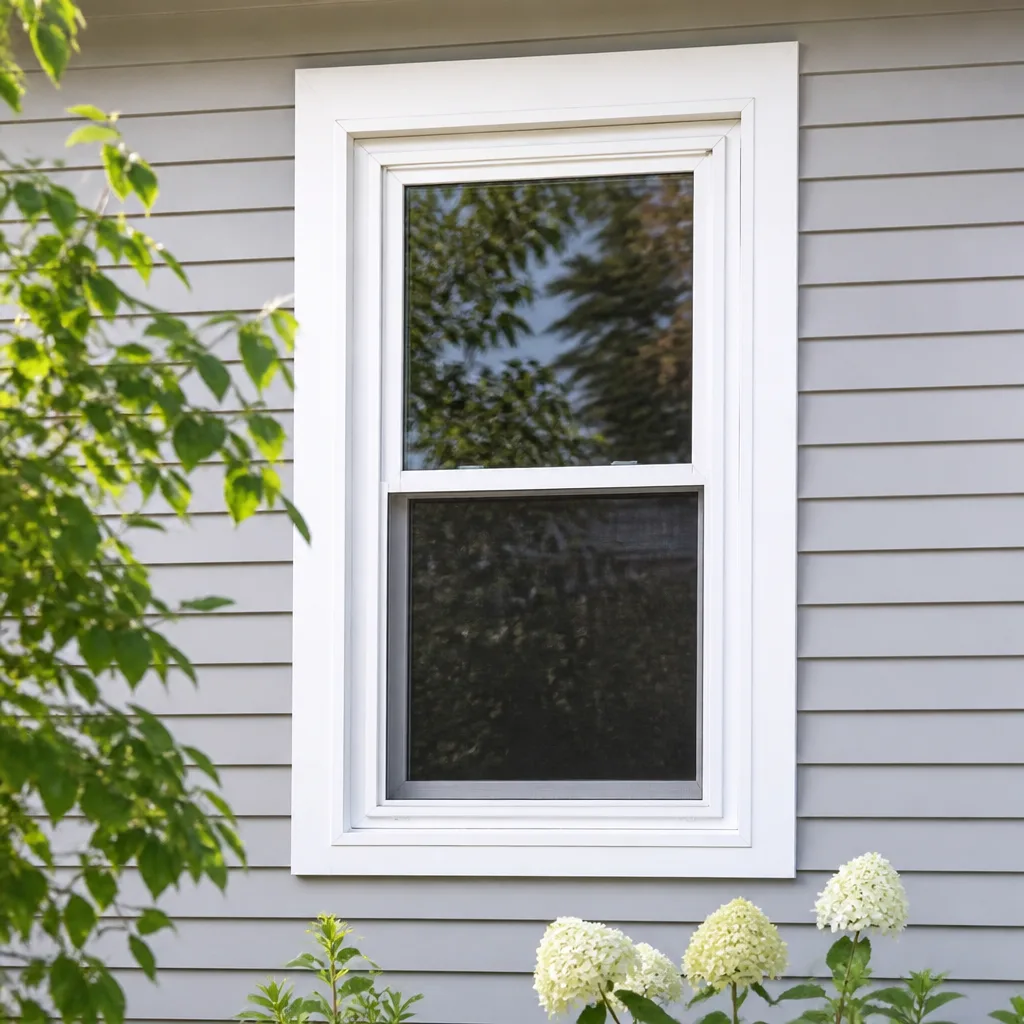 Single hung
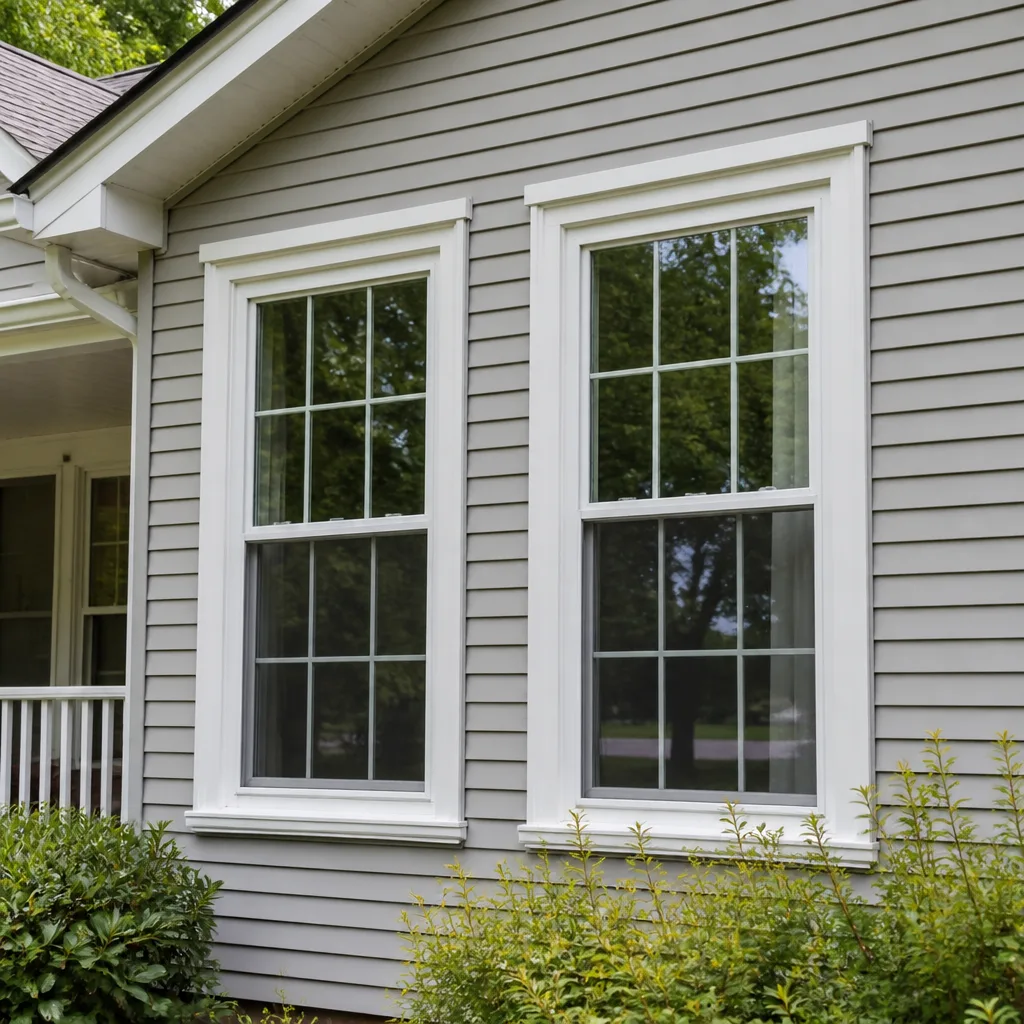 Double hung
 Horizontal roller
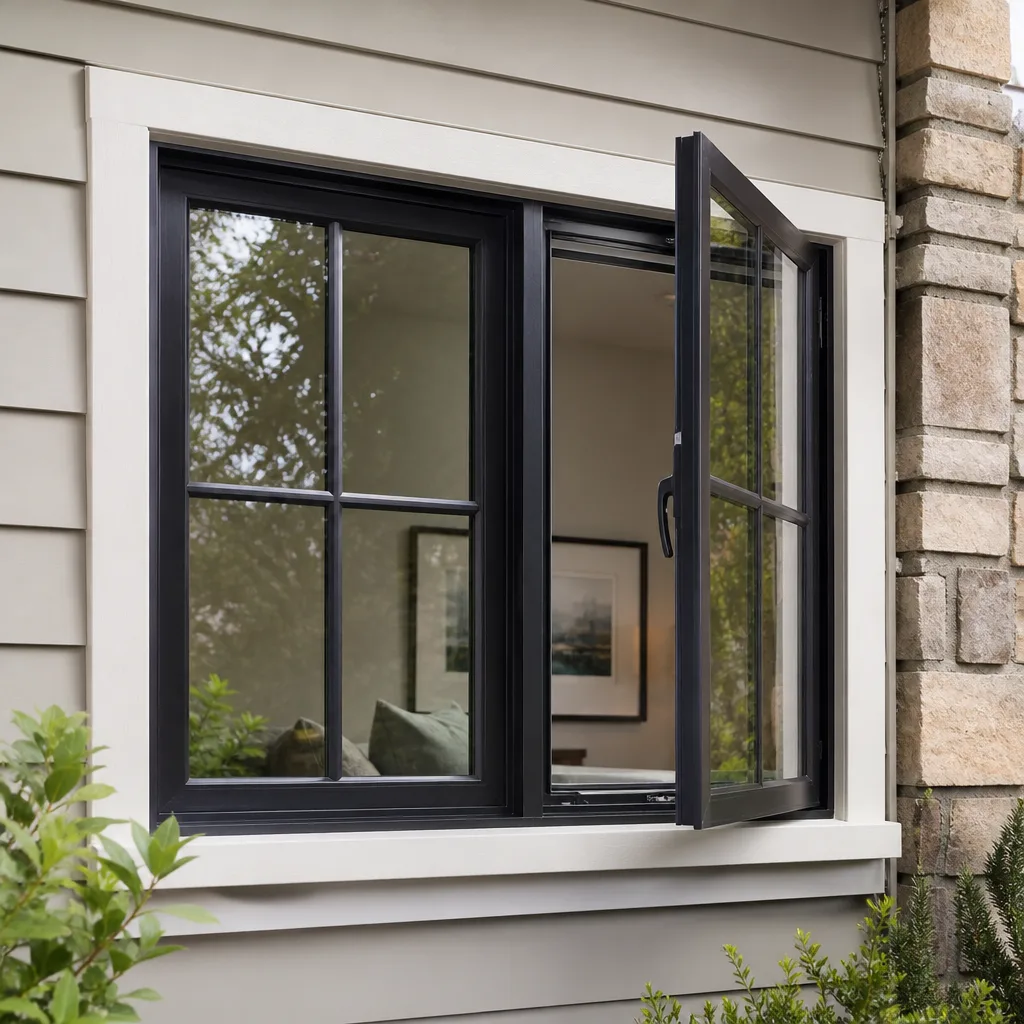 Casement
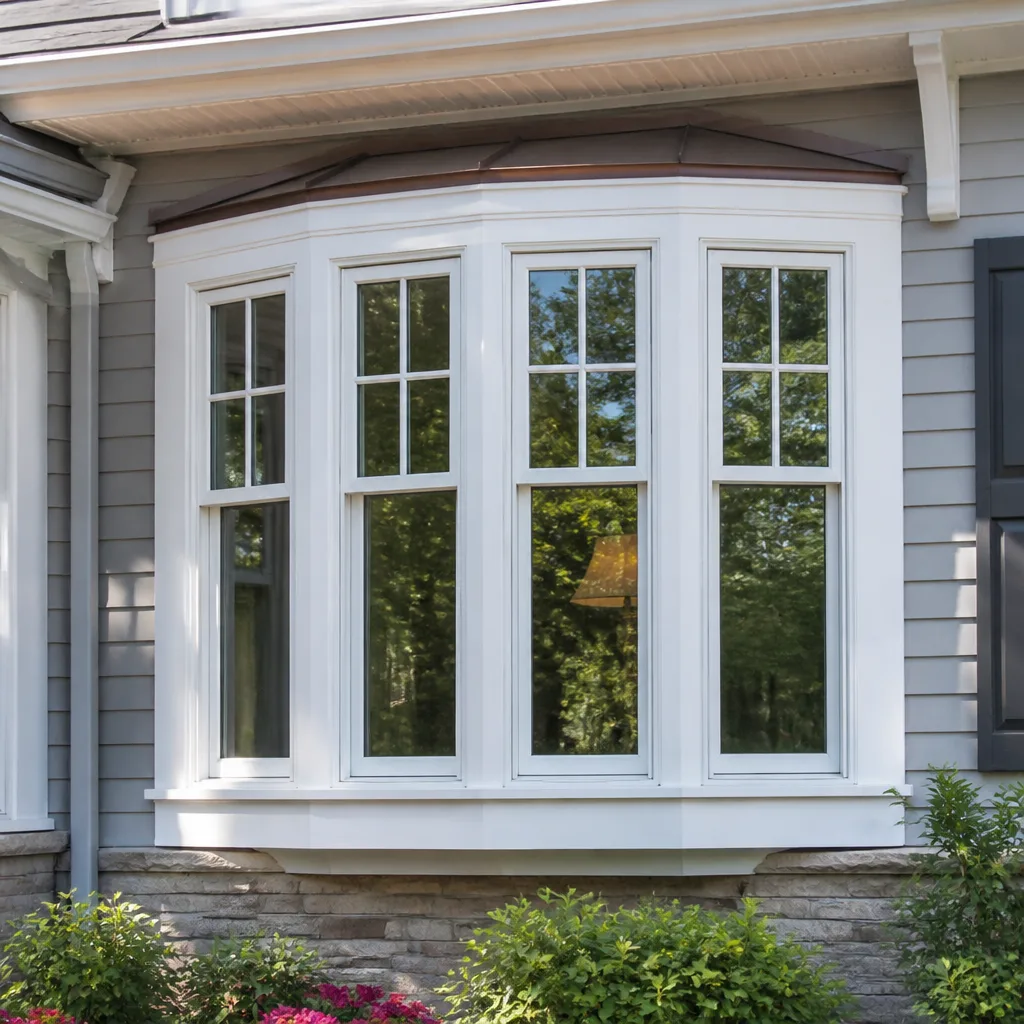 Bay & bow
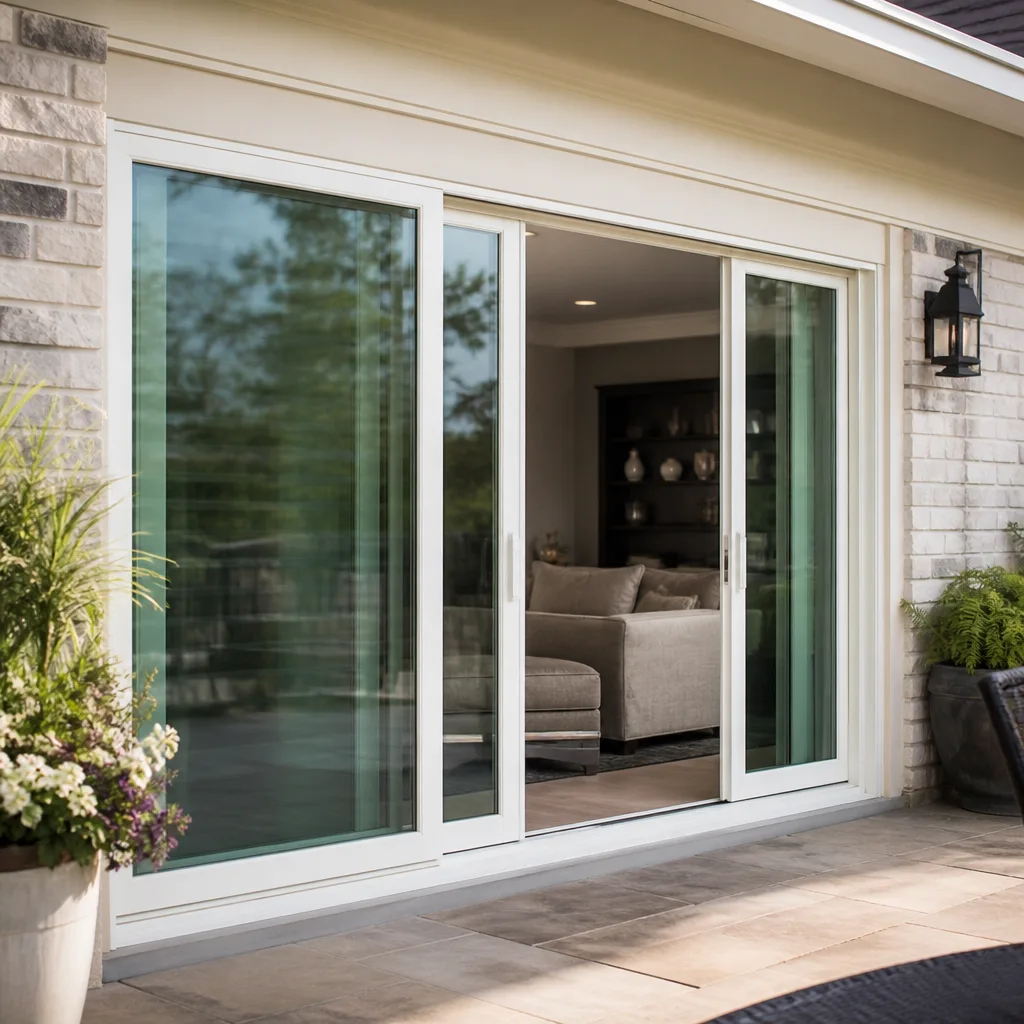 Sliding glass doors
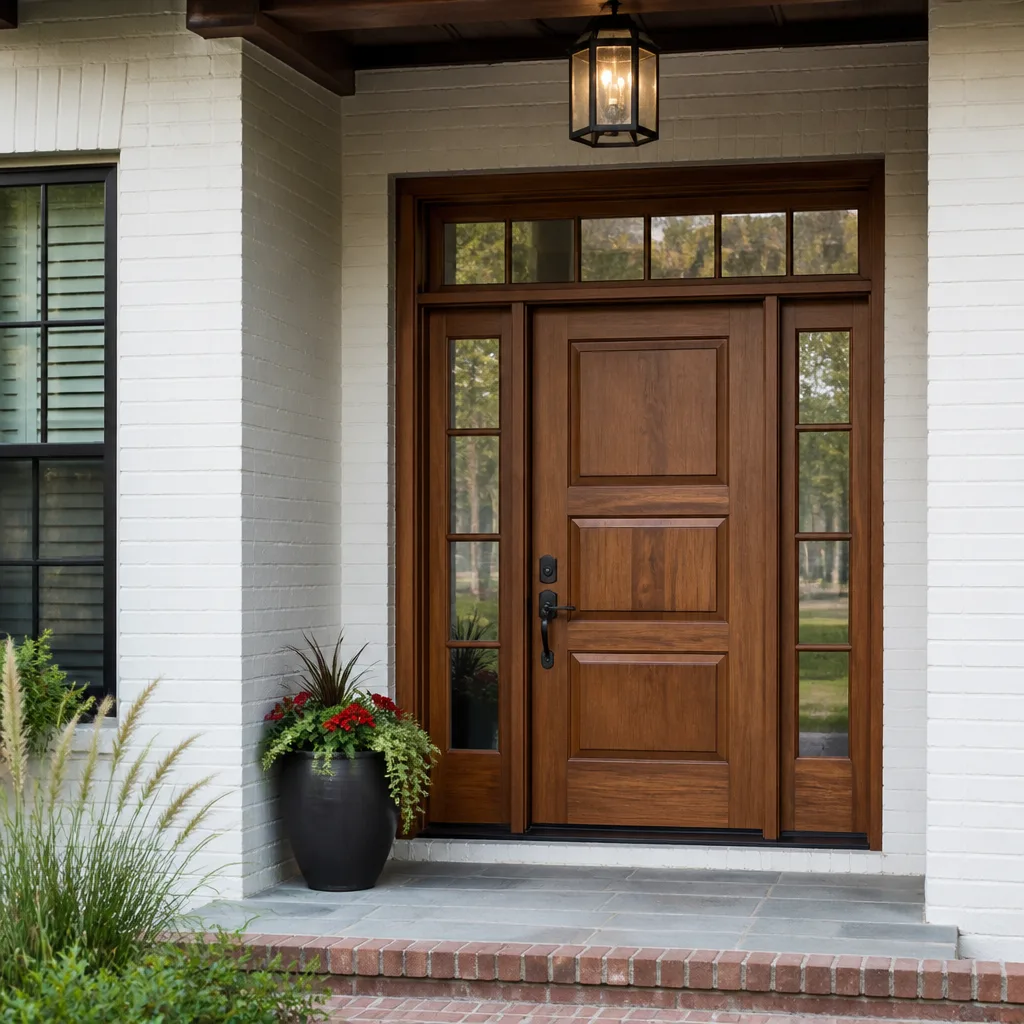 Entry doors
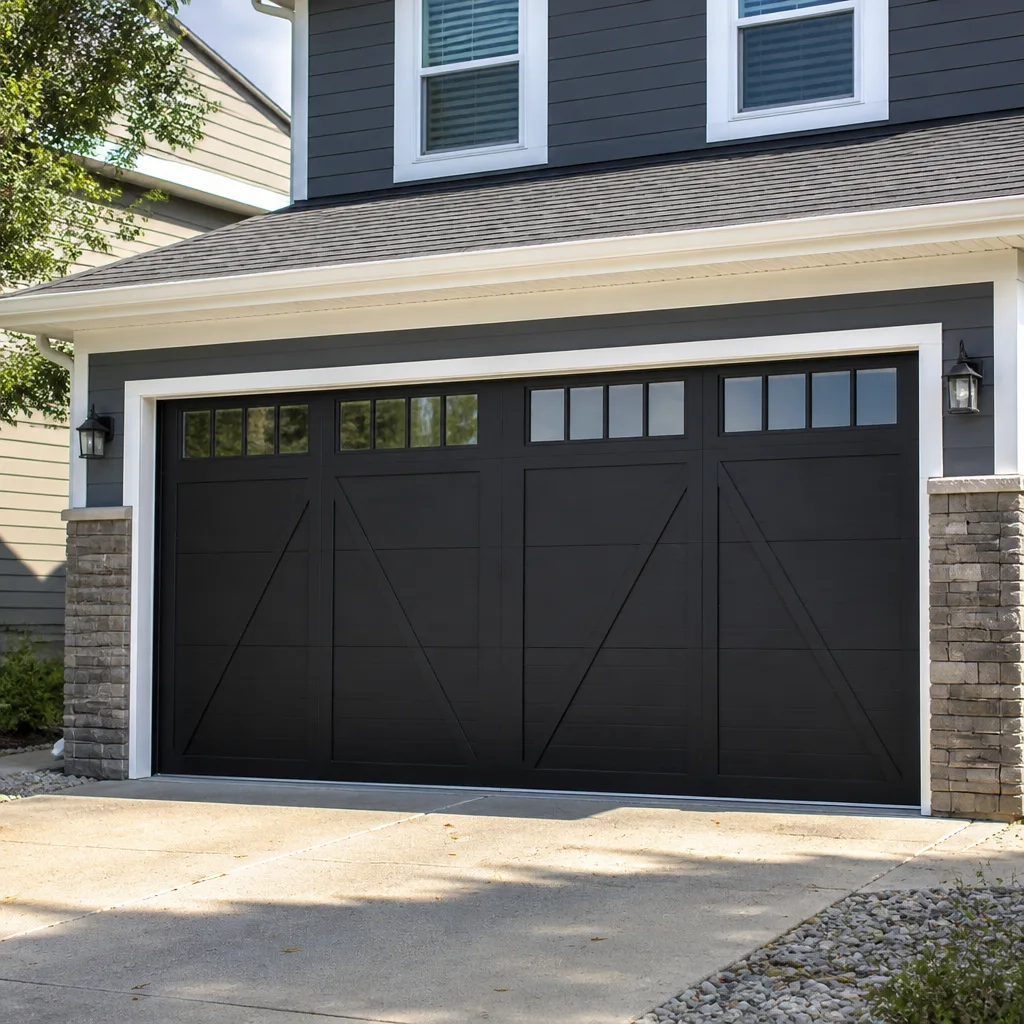 Impact garage doors
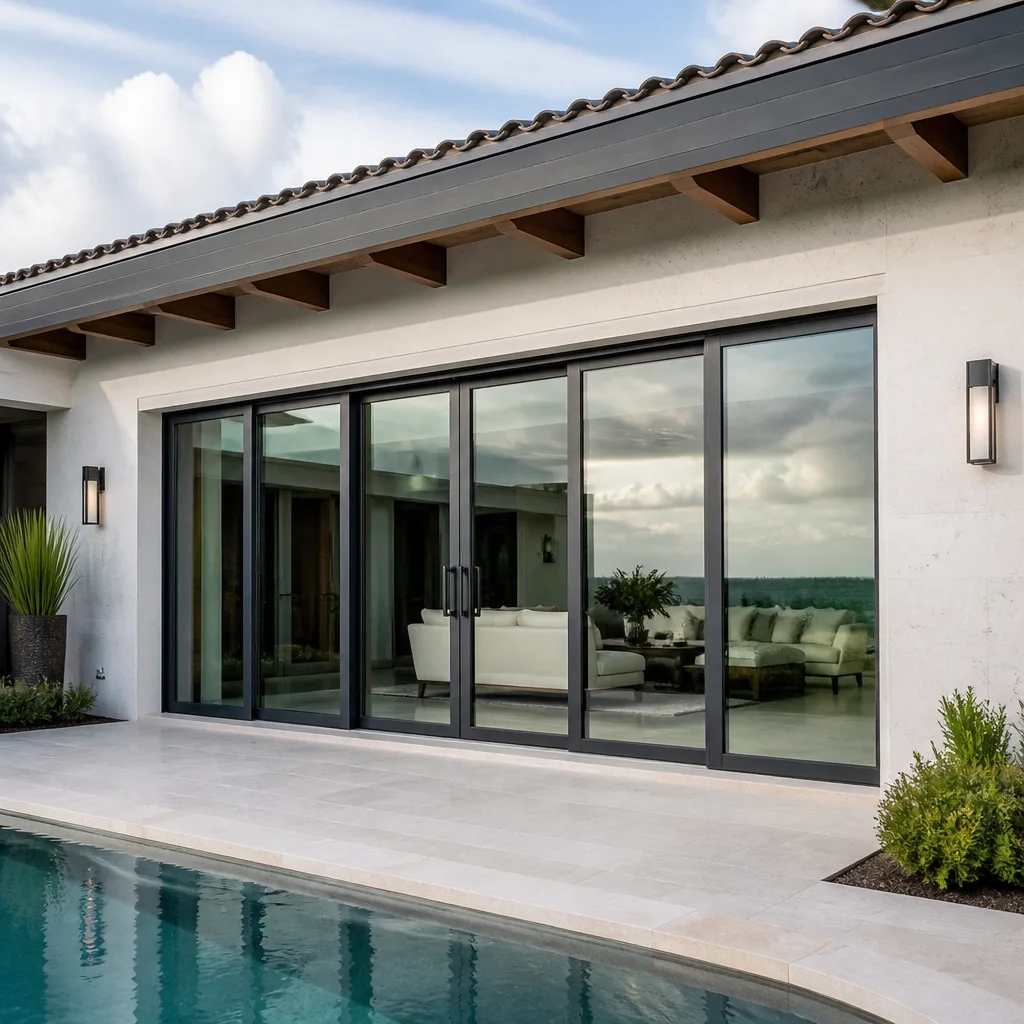 PGT
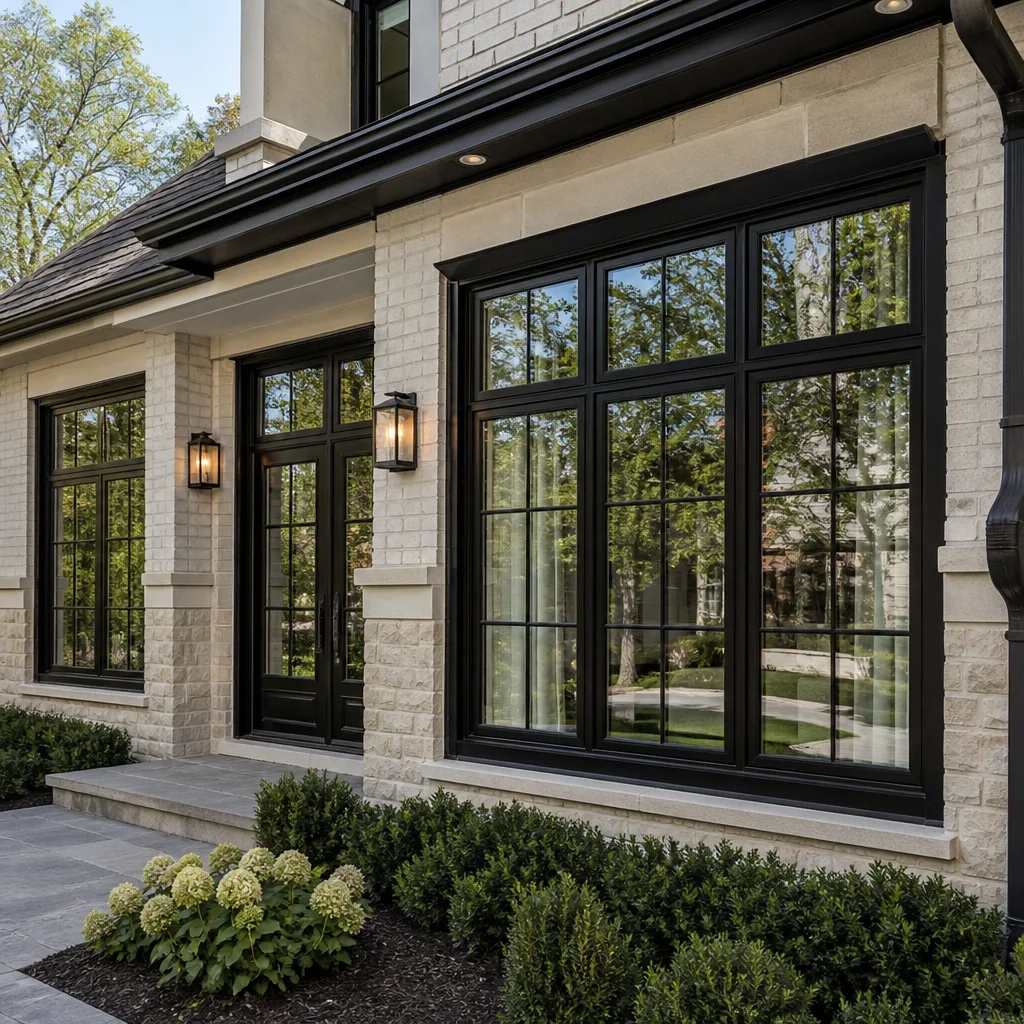 CGI
Free in-home measure and quote - PGT, CGI and CWS impact lines compared on your actual openings, style by style
Get your free estimateThe Complete Window Replacement Guide for Winchester Homeowners
Most homeowners pick a window style first and a contractor second. That order is backwards, and it’s the single most expensive habit in this trade. The brand roster an installer is certified to carry determines which performance specs are even available to you, which frame materials they can source, and which glass packages they can specify for your exposure. Choose the style first and you’ve locked in the rest without knowing it. This guide walks through the correct sequence for window replacement in Winchester: installer credentials, then brand roster, then frame material, then glass package, then style and finish. Get that order right and every decision reinforces the next.
Quick Answer
Window replacement in Winchester should follow a fixed decision sequence: verify the installer’s certified brand lines first, then select frame material, then the glass package matched to your home’s exposure, and only then the style and finish. Reversing that order forces compromises downstream and usually costs more. Winchester’s high-desert climate, with sharp daily temperature swings, intense UV, and very low humidity, makes frame and seal durability the first technical priority, not the last.
Styles & brands we work with
- Single hung
- Double hung
- Horizontal roller
- Casement
- Bay & bow
- Sliding glass doors
- Entry doors
- Impact garage doors
- PGT
- CGI
Table of Contents
- Why Winchester’s High-Desert Climate Drives Every Window Decision
- The Correct Decision Sequence for Window Replacement
- How to Read a Window Performance Label
- Frame Material: What Holds Up in Southern Nevada
- Glass Packages and UV Load
- Full-Frame Replacement vs. Pocket Installation
- How to Read a Window Quote
- Red Flags in a Window Quote
Why Winchester’s High-Desert Climate Drives Every Window Decision
Winchester sits in a high-desert environment, and that shapes window failure in ways that coastal or temperate climate guides never address. The defining condition is temperature swing. A summer day can move from a cool morning to punishing afternoon heat and back down again after dark, and that cycle repeats across the whole cooling season. A window unit expands and contracts with it. What fails first is rarely the glass. It’s the interface between the frame and the wall opening, and the seal around the glass itself.
Three forces do most of the work here:
- Thermal cycling. Repeated expansion and contraction stresses sealant joints and gaskets. A frame material with a high coefficient of thermal expansion moves more with each cycle and asks more of the seal. Vinyl and fiberglass both handle it, but the grade and wall thickness of the profile matter, and so does how the unit is shimmed and flashed.
- UV intensity. High-altitude, low-humidity air lets more solar radiation through. That bleaches interior furnishings and stresses glazing components. It also makes glass package selection a real decision rather than a checkbox. A low solar heat gain coefficient matters here for cooling load, not just for comfort.
- Very low humidity. Dry air pulls moisture from wood, which is why wood frames demand more upkeep in this climate than in a humid one. Low humidity also means you can’t count on ambient moisture to reveal a bad seal through condensation alone, so pressure and water tests during installation carry more weight.
In our experience, the most common premature failure we see in Winchester homes isn’t a broken pane. It’s a compromised perimeter seal letting in dust and hot air, or a failed glazing seal clouding the unit from the inside. Both point back to specification and installation, which is exactly why the sequence below matters.
The Correct Decision Sequence for Window Replacement
Here’s the sequence in order. Each step constrains the next, so working top-down keeps your options open; working bottom-up closes them prematurely.
- Verify the installer’s credentials and certified brand roster. Before you look at a single window, ask which manufacturer lines the installer is authorized to install. An installer certified across several lines can present real options and recommend by performance need. An installer tied to one brand can only sell you that brand, which turns a guided selection into a one-size-fits-all sale.
- Narrow the available brands by your performance requirements. If you need storm-tested glazing or a specific energy performance level, the roster determines what’s possible. Impact-rated and performance-grade lines from manufacturers like PGT and CGI are a different product category from standard units, and not every installer can source them.
- Select the frame material. Frame material sets the durability baseline in this climate. Consider vinyl, fiberglass, aluminum, and wood against maintenance tolerance and the structural demands of the opening.
- Specify the glass package. Matched to exposure: how much sun the window takes, which direction it faces, and whether cooling load or daylight is the bigger priority. This is where U-factor, solar heat gain coefficient, and visible transmittance get chosen, not guessed.
- Choose style and finish. Casement, single-hung, slider, picture window, or something custom. Aesthetics come last because they’re the most flexible constraint and the least tied to performance.
Reversing this order costs money. Pick a style first and you may fall for a window whose available brand lines don’t support the glass package your exposure calls for. You then compromise on performance to keep the look, or pay more to get both. Neither is necessary if you start at the top.
How to Read a Window Performance Label
Every window carries a performance label, and it’s the single most useful document in the showroom. Most homeowners read the price tag and skip the label. The label gives you three numbers that matter in Southern Nevada.
- U-factor measures how well the unit resists heat flow. Lower is better. In a cooling-dominated climate, a lower U-factor means less heat pushing inward during the day.
- Solar heat gain coefficient (SHGC) measures how much solar heat the window admits. Lower SHGC blocks more of the sun’s heat, which reduces cooling load. This is often the most consequential number in Winchester, where summer sun is relentless.
- Visible transmittance (VT) measures how much daylight passes through. Higher VT means a brighter room but usually a higher SHGC, so SHGC and VT pull against each other and you’re choosing a balance, not a maximum.
Nevada’s Title 24 energy code sets performance requirements for windows, and it’s written for this climate zone rather than as a national average. That’s the point most guides miss: a glass package selected to national averages can pass a label check and still underperform in the high desert. Ask your installer to show you how the proposed package meets Title 24 for your climate zone, and ask them to explain it in plain terms. If they can only point at the label without explaining the trade-off between SHGC and VT, you haven’t gotten the guidance you’re paying for.
Frame Material: What Holds Up in Southern Nevada
Frame material is the durability decision, and in this climate it’s tested by thermal cycling and UV rather than by rain. Here’s how the main options read in Winchester conditions.
- Vinyl. Low maintenance, good thermal performance, and no painting. Quality varies widely by profile thickness and reinforcement, so ask what’s inside the frame, not just what’s on it.
- Fiberglass. Dimensionally stable across temperature swings, which suits high-desert cycling well. Often the strongest structural option for large units, and it takes paint if you want to change finish later.
- Aluminum. Strong and slim, good for large expanses of glass. Untreated aluminum conducts heat readily, so specify a thermally broken frame if you go this route. It’s a real distinction, not a marketing term.
- Wood. Beautiful and warm, but the maintenance demand in low humidity is real. Wood needs protection from UV and seasonal attention, and that’s a long-term commitment.
We install only windows and doors, so frame selection is a conversation we have constantly. When we walk a Winchester home, the questions usually come down to sun exposure, the size of the opening, and how much upkeep the homeowner wants over the next decade. Answer those three and the frame material usually picks itself.
Glass Packages and UV Load
The glass package is where performance is actually won or lost. It’s also the part of the sale most often skipped in a one-size-fits-all quote. A glass package is more than “double-pane.” It’s a set of choices about coatings, gas fill, and pane configuration, each of which moves the U-factor and SHGC.
In Winchester, the dominant concern is cooling load and UV. A low-emissivity coating on the appropriate surface reduces heat transfer. Argon fill between panes improves insulation. For west- and south-facing windows that take the brunt of afternoon sun, a lower SHGC specification generally earns its keep. For shaded or north-facing openings, you may want higher VT to bring in daylight without overcorrecting on solar control. Every window in the house doesn’t need the same package, and a good installer will specify per exposure rather than roll one package across the whole job.
UV load also affects interior finishes. High-altitude sun through uncoated glass fades wood floors, furniture, and artwork faster. UV-blocking coatings help, and that’s a performance benefit you can explain to yourself in plain terms: the same glass that lowers cooling load also protects what’s behind it.
Full-Frame Replacement vs. Pocket Installation
These two methods aren’t interchangeable, and choosing between them is a structural question before it’s a cost question. Homeowners often assume the cheaper method is the sensible one. Sometimes it isn’t.
window replacement in the full-frame method removes the existing window entirely, down to the rough opening, and installs a new frame, sill, and trim. It’s the right call when the existing frame is rotted, damaged, or out of square, or when you want to change the size or shape of the opening. It’s more invasive and more expensive, and it’s also the only method that fixes a frame problem rather than covering it.
A pocket or insert installation fits a new window into the existing frame, leaving the original frame and trim in place. It’s faster and less disruptive, and it’s appropriate when the existing frame is sound, square, and properly sealed. Put an insert into a failing frame and you’ve inherited the failure underneath it.
The decision comes down to the condition of what’s already there:
- Check the frame for rot, softness, cracks, and water staining. Any of these points toward full-frame.
- Check square and plumb. A frame out of square will bind an insert window and shorten its life.
- Check the perimeter seal and flashing. If water has been getting behind the frame, full-frame lets the problem be repaired rather than hidden.
- Decide whether the opening size or operation needs to change. If so, full-frame is the method.
You’ll want the installer to make this call with you, on site, after looking at the actual frame rather than on a phone estimate. Ask them to show you what they see.
How to Read a Window Quote
A window quote should read like a specification, not a flyer. Here’s what a proper one contains, and what each line means for you.
- Brand and product line named per opening. Not “premium vinyl window” but the specific manufacturer line, so you can look up the specs yourself.
- Frame material and configuration. Which profile, what’s inside the frame, and whether reinforcement is included.
- Glass package per opening. U-factor, SHGC, and VT stated per exposure, not lumped together.
- Installation method. Full-frame or pocket, stated plainly, with the reason.
- Flashing and sealing details. What materials and method are used at the perimeter. In this climate, the perimeter seal is where durability is won.
- Trim, finish, and disposal. What’s included and what isn’t.
- Written line-item pricing. Every window accounted for, with no vague allowances that turn into change orders later.
When we prepare an estimate, we build it line by line so the homeowner can see exactly what each opening gets and why. Estimates are free, and a written line-item quote is the standard we hold the work to. If you want to understand the difference between replacing a unit and installing one new, our page on window installation explains where the two overlap.
Red Flags in a Window Quote
The most reliable red flag is a quote that offers you one brand and never mentions a glass package. That combination signals a one-size-fits-all sale rather than a guided selection. An installer carrying eight manufacturer lines has to explain why they’d pick one over another for your home. An installer carrying one line can only discuss that line, and the conversation about performance never happens.
Others worth watching for:
- No mention of Title 24 or climate zone. A Nevada window quote that ignores the state’s energy code hasn’t been built for this house.
- Style chosen before exposure is discussed. If the conversation starts with how the window looks and never addresses which direction it faces, the sequence is backwards.
- Installation method not specified. “We’ll install it” without naming full-frame or pocket leaves the biggest structural decision to chance.
- No per-opening glass specs. One package for every window in a home with varied exposure is a compromise disguised as simplicity.
- Pricing that can’t be itemized. Ask for line-item detail. Vague allowances are where change orders begin.
Common Mistakes to Avoid
- Starting with style. Falling in love with a window before checking the installer’s brand roster can leave you choosing a glass package that doesn’t suit your exposure. Start at the top of the sequence and the style stays open longer.
- Treating the frame as cosmetic. In Winchester’s thermal cycling, the frame is the durability decision. A beautiful window in a marginal frame will ask more of its seals every season.
- Ignoring which way windows face. North-facing and west-facing openings have different solar loads. One glass package for the whole house ignores that reality.
- Assuming the insert method always saves money. A pocket install into a failing frame inherits the failure. The cheaper method is only cheaper when the frame is sound.
- Reading the price tag instead of the label. The performance label explains U-factor, SHGC, and VT. Without those numbers, you’re comparing windows by appearance rather than performance.
- Letting one-brand bids go unexplained. If the quote names a single brand with no reasoning, ask why. A specialist should be able to tell you why they’d choose it over an alternative for your home.
- Skipping Title 24. Nevada’s energy code is written for this climate zone. A quote that ignores it hasn’t been built for a Winchester home.
See the difference
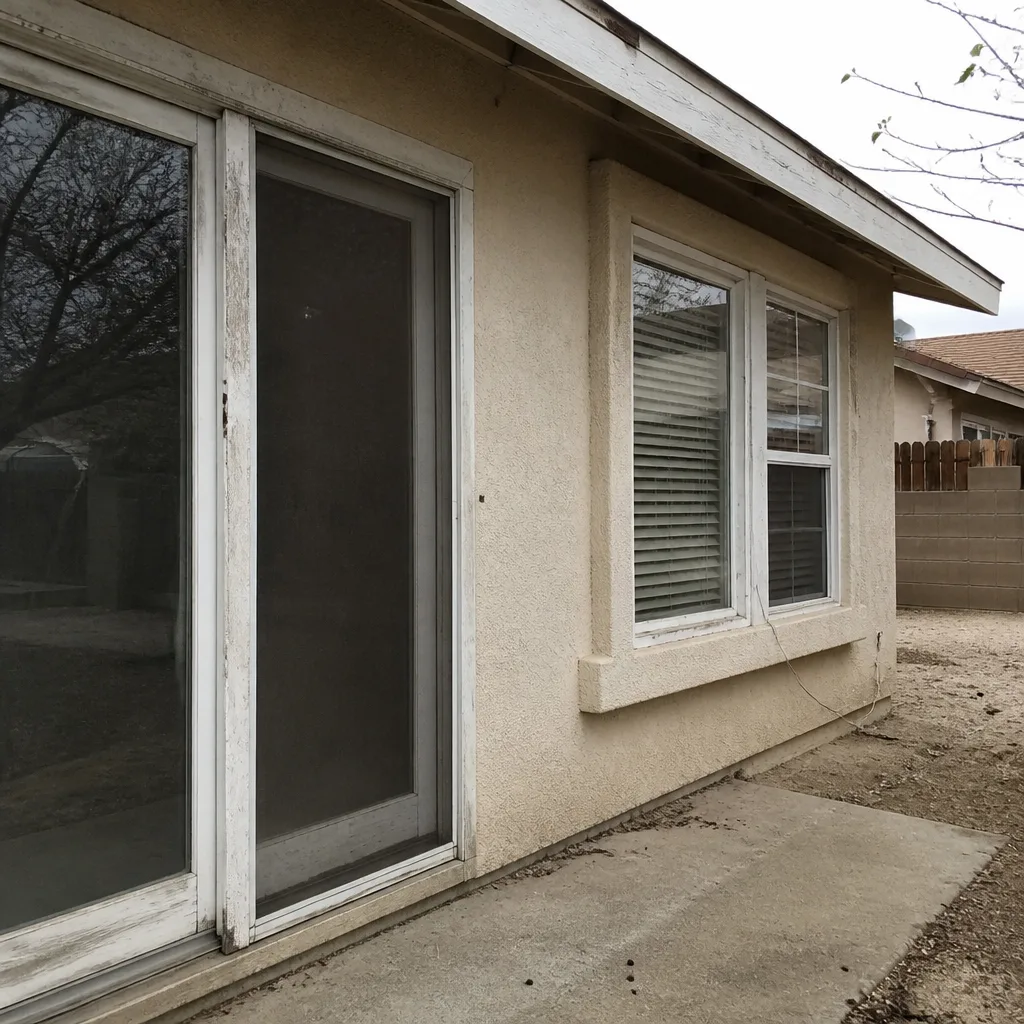 Before
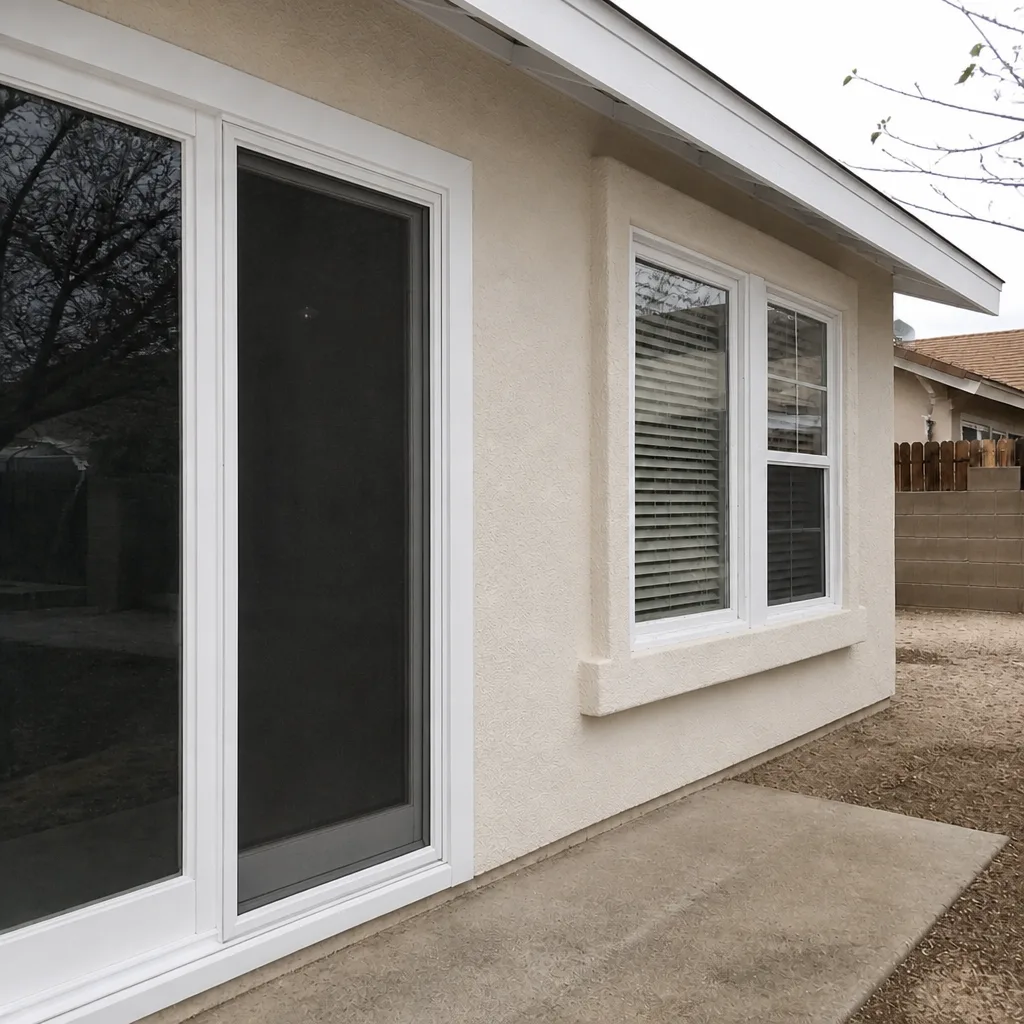 After
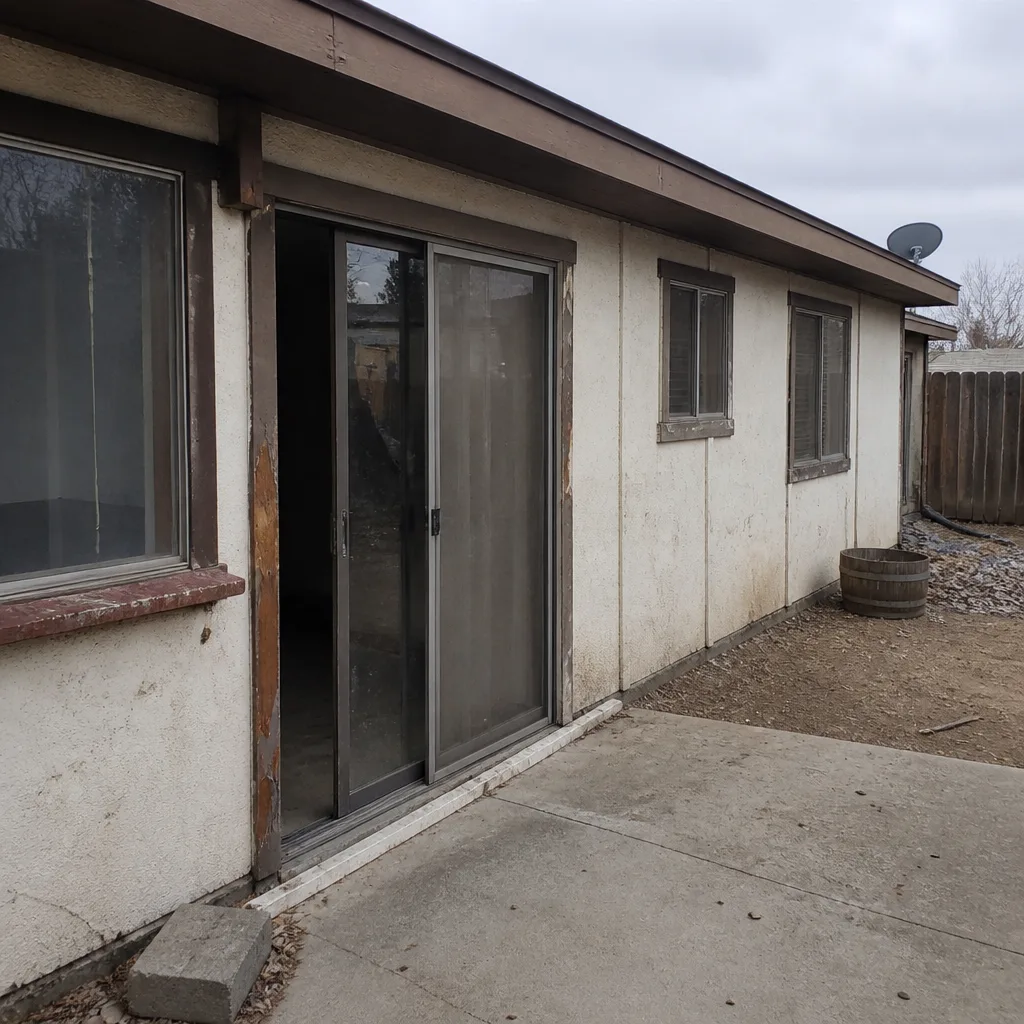 Before
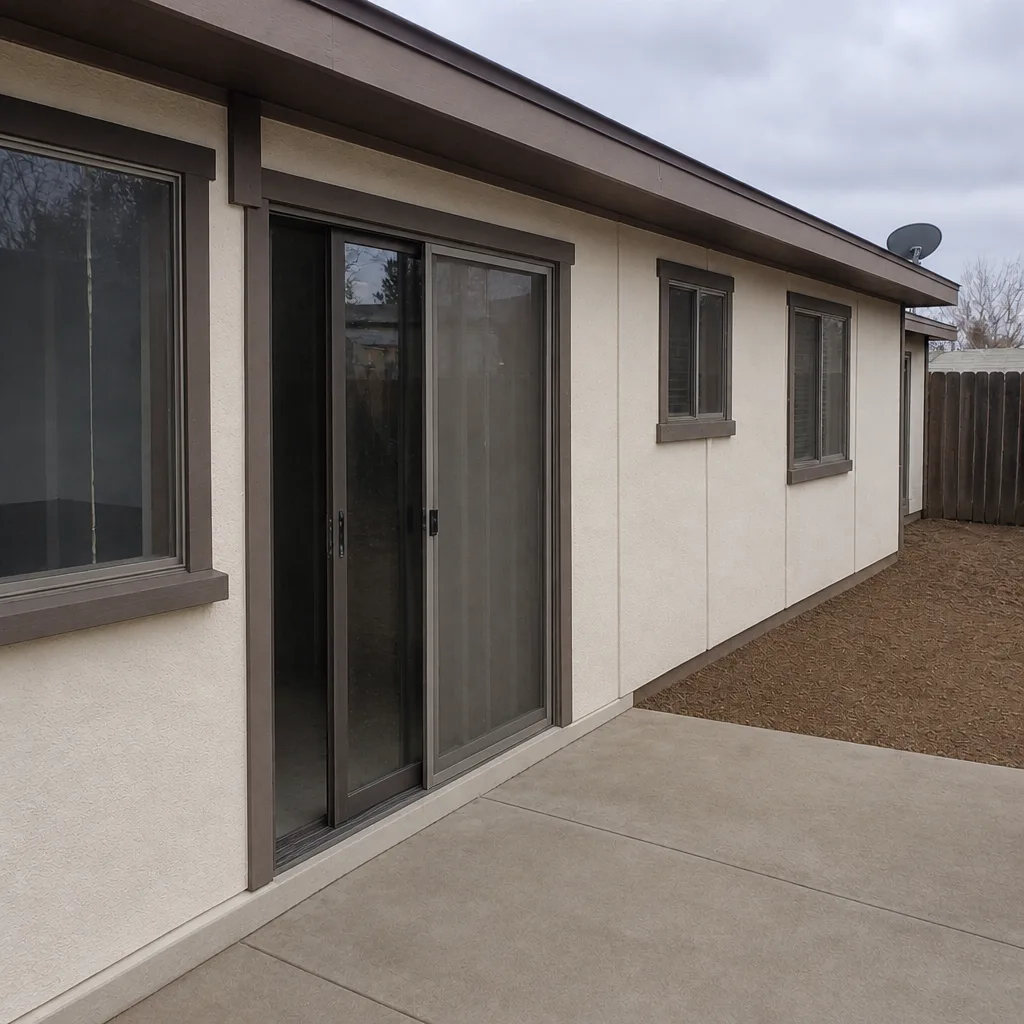 After
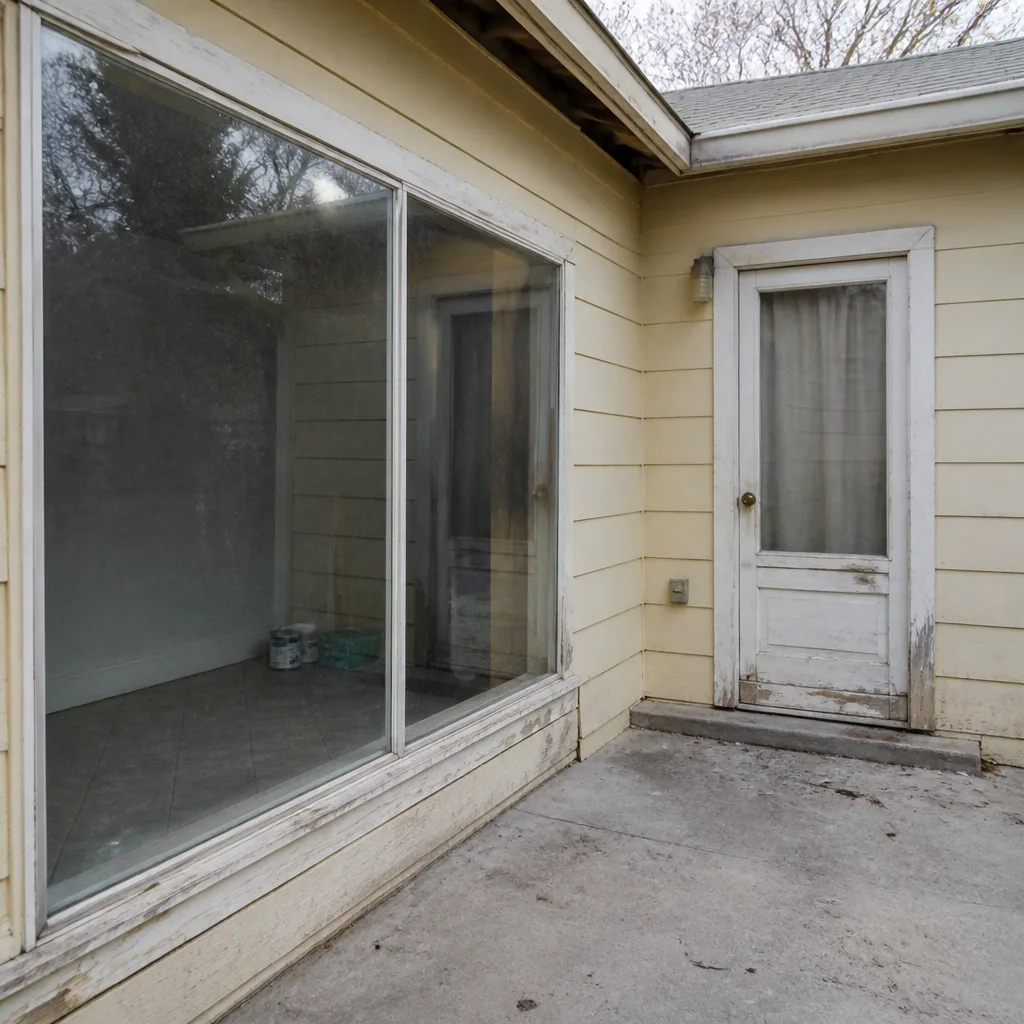 Before
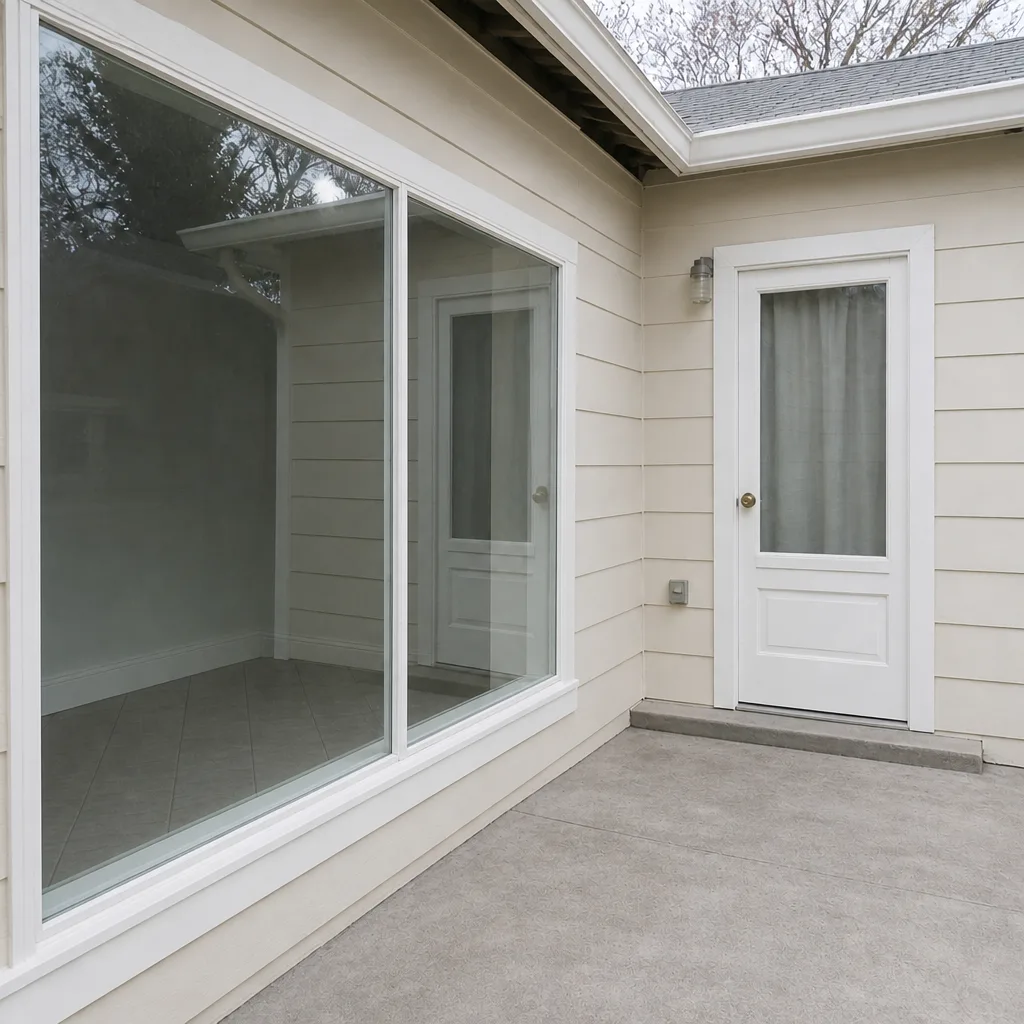 After
When to Call a Professional
Call a professional when you see fogging or condensation between the panes, which signals a failed glazing seal that won’t repair itself. Call when you find rot, softness, or water staining around a window frame, because that’s a full-frame decision rather than a glass swap. Call when a window sticks, won’t latch, or lets in dust and hot air at the perimeter, since that’s a seal and fit problem. And call when you’re planning a replacement and want the sequence walked through with someone who specifies products rather than sells a single line. Winchester Windows & Doors offers free estimates in Winchester – call (844) 834-0211. We answer 24/7, with fast dispatch from 7am to 7pm, Sunday through Friday.
Frequently Asked Questions
Most homes are completed over a planned installation period determined by the number of openings and whether the job is full-frame or pocket. Full-frame work takes longer per opening because the rough opening is rebuilt. Your written estimate will include a timeline before you commit. Call (844) 834-0211 to discuss your project.
Full-frame replacement removes the window to the rough opening and installs a new frame and trim; a pocket or insert install fits the new window into the existing frame. Full-frame is appropriate when the existing frame is damaged or out of square. Pocket installation suits a sound, square frame. The condition of your existing frame decides the method, not the price.
Because the installer’s certified manufacturer lines determine which performance specs are available to you. An installer certified across eight lines like PGT, CGI, Mr-Glass, and Therma-Tru can present impact-rated, energy-efficient, and design-forward products and recommend by need. An installer limited to one line can only recommend that line. The roster sets your options before the conversation begins.
Not by default. Impact-rated glazing through PGT and CGI is a performance-grade product category worth discussing if your exposure calls for it. Ask your installer to explain the difference between impact-rated and standard units in the context of your home’s exposure and your cooling load. Call (844) 834-0211 with your questions.
It shouldn’t. A written line-item quote with no vague allowances is designed to hold, and fixed pricing with no change orders is the standard. If anything about the agreement is unclear, ask before signing. That’s why we put the specification in writing per opening.
We install windows and doors, and nothing else. Door installation with Therma-Tru, a benchmark in fiberglass entry and patio doors, is a core specialty rather than an add-on. That trade focus means every crew, recommendation, and consultation is about the same two categories. Call (844) 834-0211 for a free estimate.
The Bottom Line
Window replacement in Winchester is a sequence, not a shopping trip. Start with the installer’s certified brand roster, because it sets the range of performance options you can actually buy. Move to frame material, then the glass package matched to your home’s exposure, and only then to style and finish. Read the performance label in the context of Nevada’s Title 24 rather than national averages. Match the installation method to the condition of the existing frame, and insist on a written line-item quote with per-opening specs. Get the order right and every choice reinforces the next.
Winchester Windows & Doors specializes in window replacement, window installation, and door installation, with eight manufacturer lines under one roof and our technicians carrying up to 14 years of experience. The right product for your home is not our fastest seller; it’s the one your exposure and budget call for. Call (844) 834-0211 for a free estimate. We answer 24/7, with fast dispatch from 7am to 7pm, Sunday through Friday.
Written by the team at Winchester Windows & Doors.