Last updated November 17, 2026
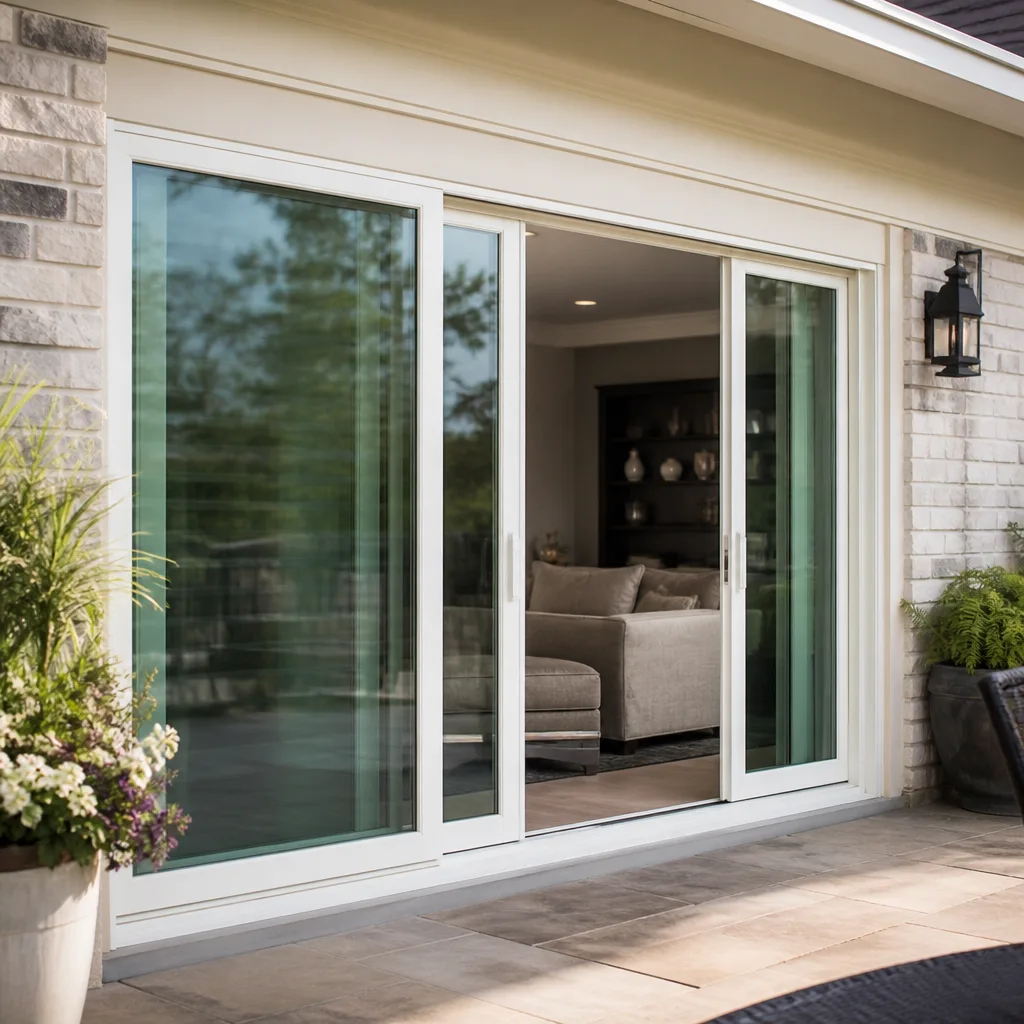 Sliding glass doors
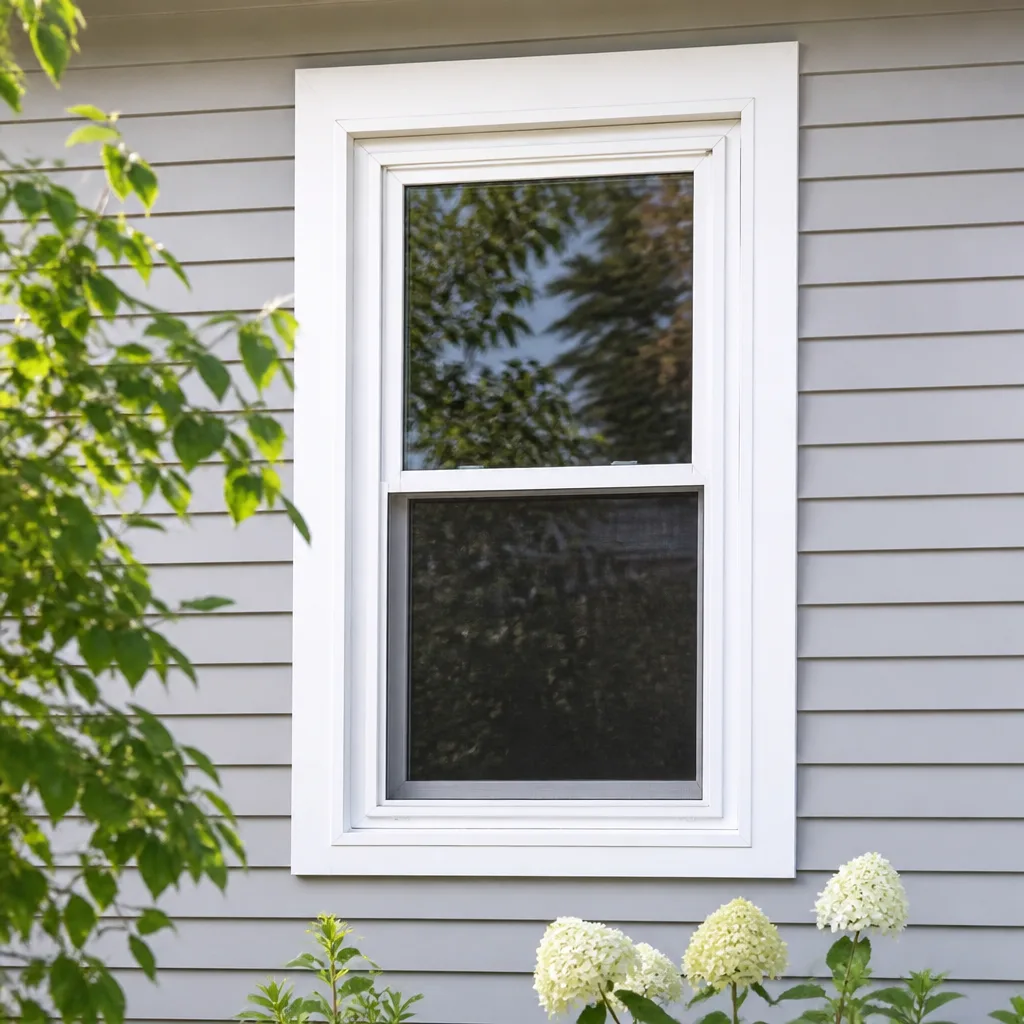 Single hung
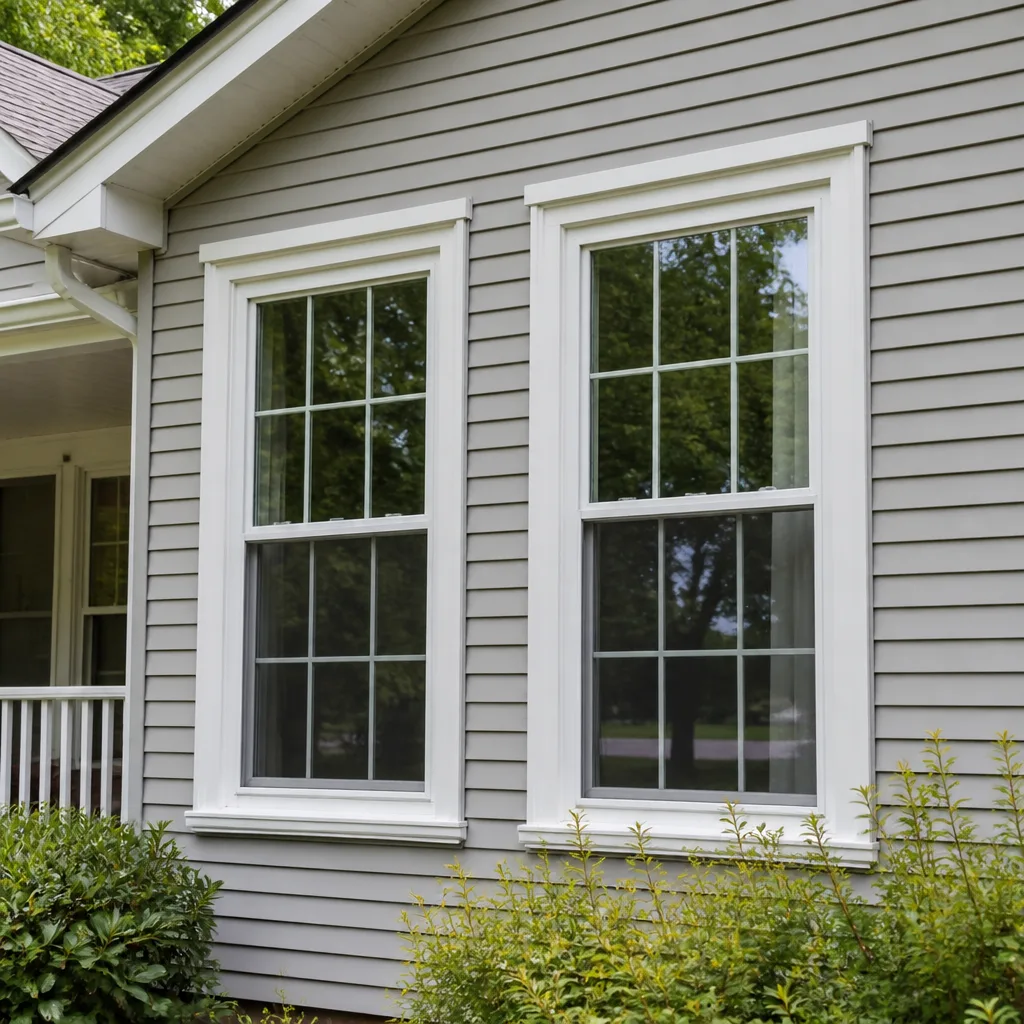 Double hung
 Horizontal roller
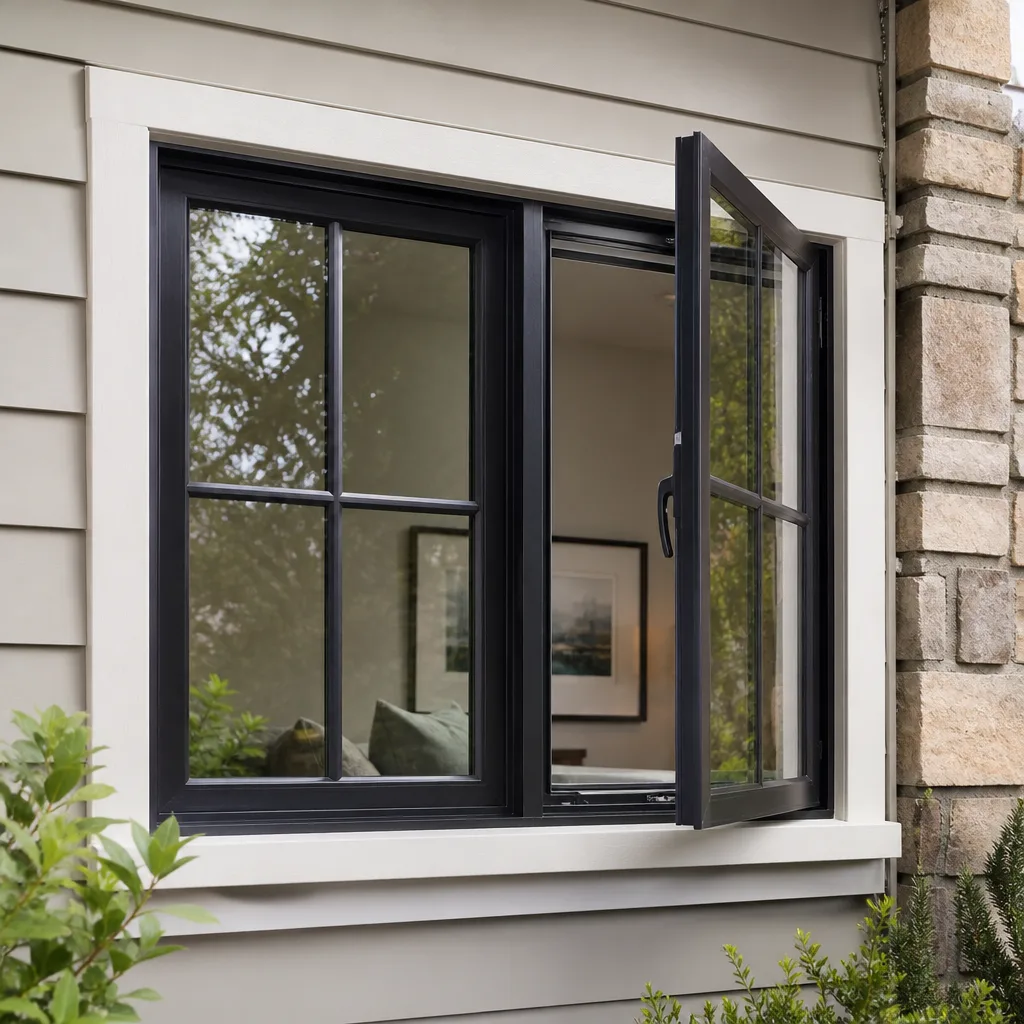 Casement
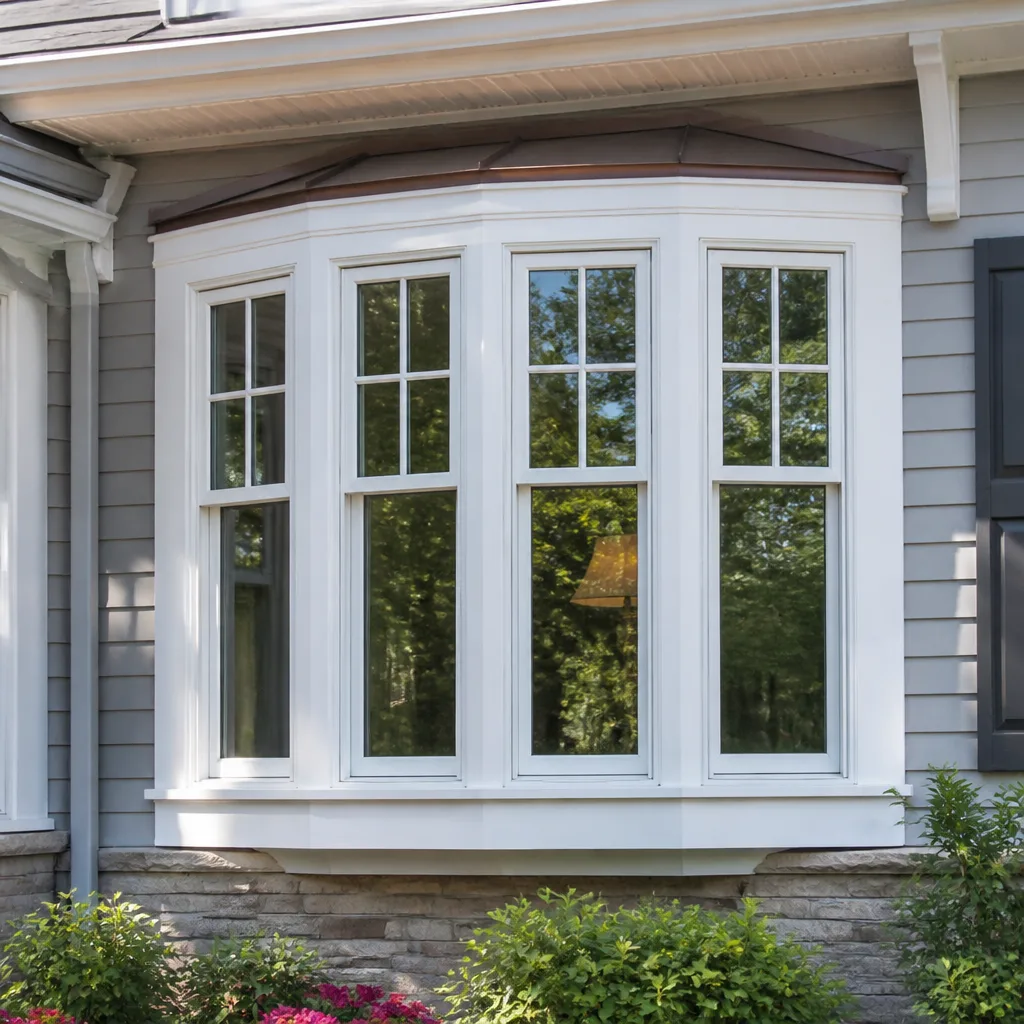 Bay & bow
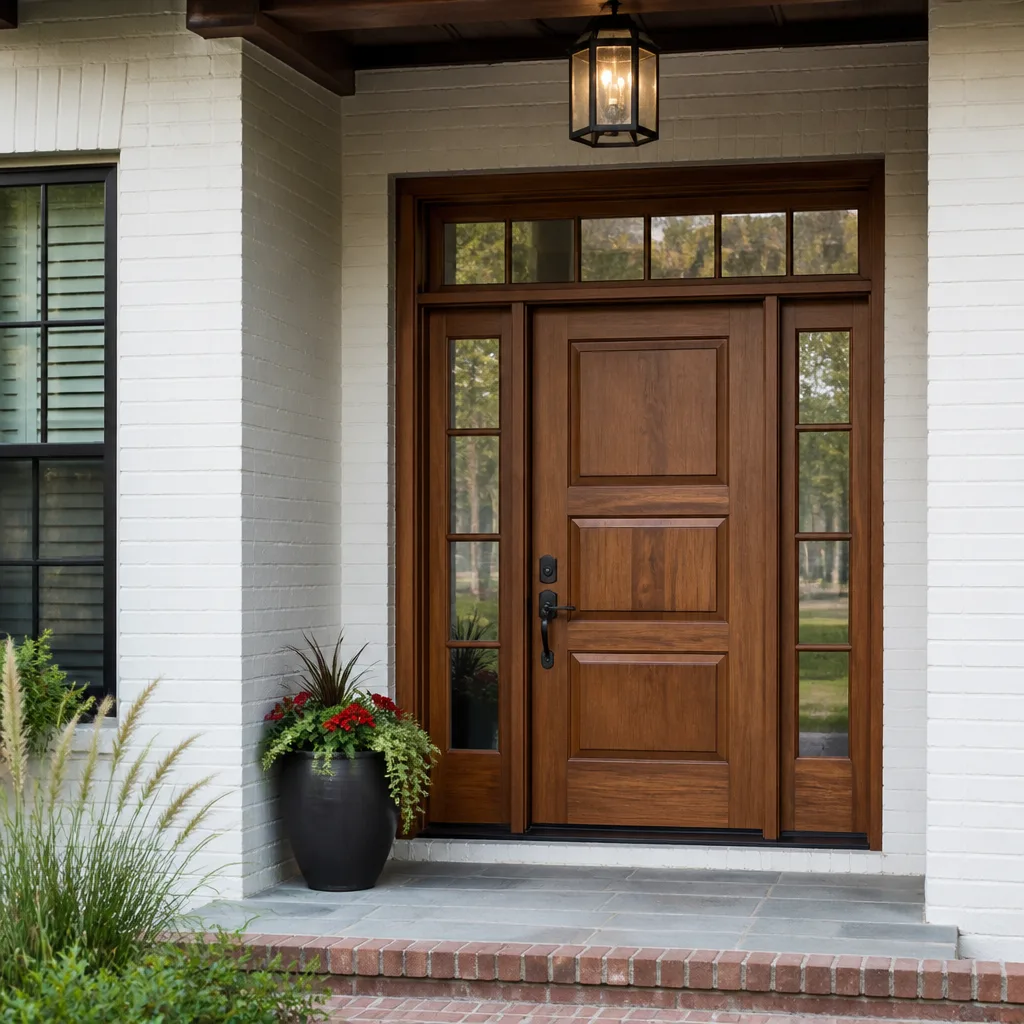 Entry doors
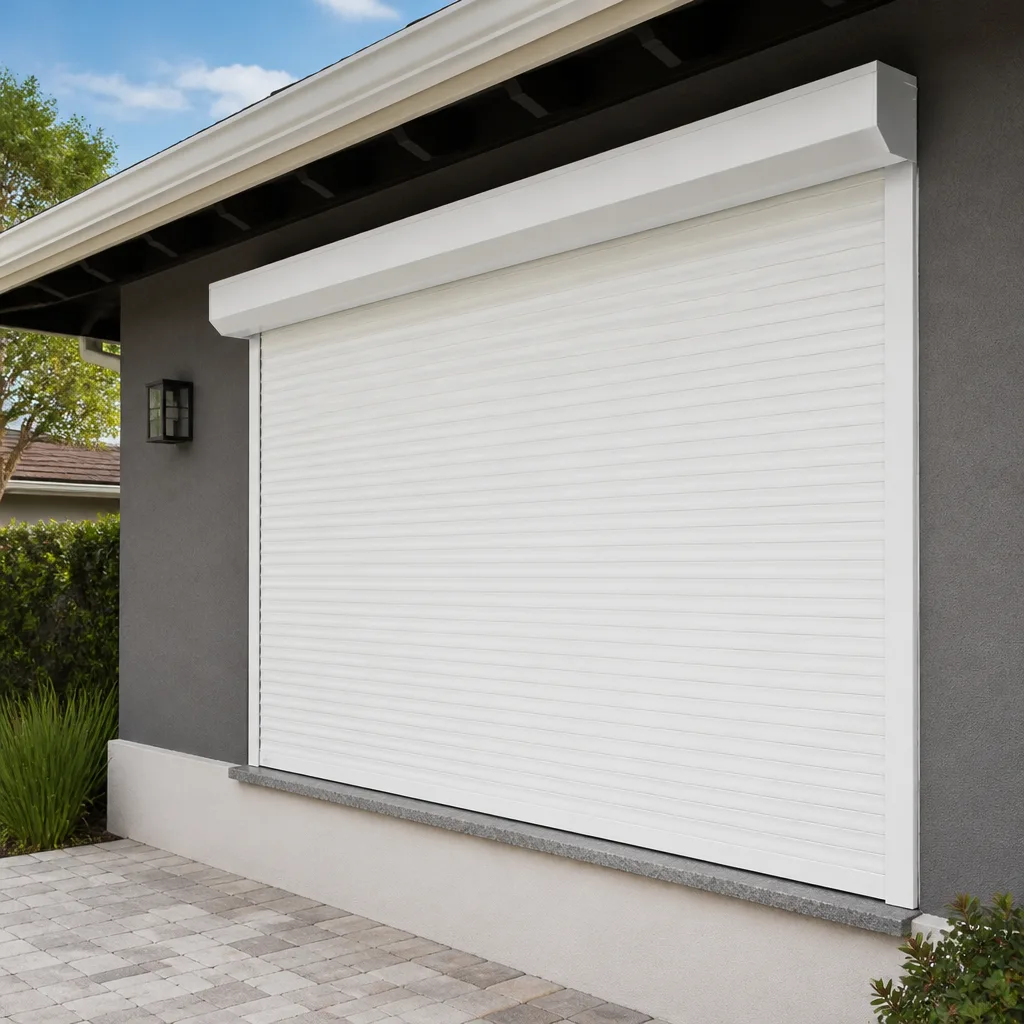
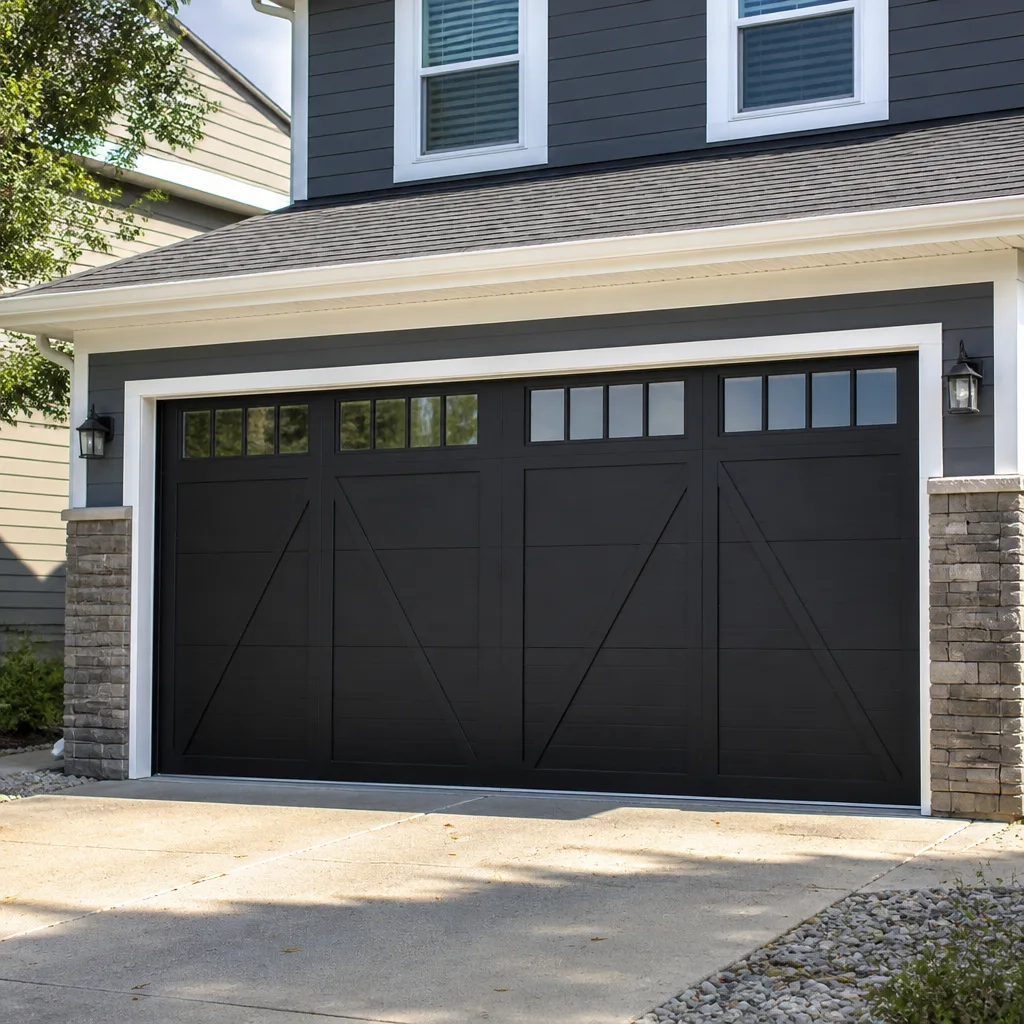 Impact garage doors
 PGT
 CGI
Free in-home measure and quote - PGT, CGI and CWS impact lines compared on your actual openings, style by style
Get your free estimateChoosing the Right Windows & Doors Brand: A Buyer’s Guide for Winchester
A window that scores top marks for energy efficiency in national testing was tested somewhere that sees fifty inches of rain a year. Winchester sees about four. That single fact reshapes the brand conversation, because most window and door ratings are built around heating-dominated climates where keeping warmth in is the whole game. In Winchester, the desert does the opposite: sustained summer heat, relentless UV, thermal swing from cool nights to blistering afternoons, and low humidity that quietly punishes the wrong materials. This guide maps the eight manufacturer lines we install against those actual conditions, so you can compare brands on performance that matters here rather than on a marketing trophy won in a climate nothing like yours.
Quick Answer
The best window and door brand for a Winchester home is the one whose frame material, glazing package, and warranty terms hold up under desert heat, high UV, and low humidity, not the one with the loudest national ranking. In practice that means prioritizing solar heat gain coefficient over U-factor, favoring true fiberglass or performance-grade composites over vinyl in high-sun exposures, and matching the product tier to each opening instead of forcing one brand across the whole house. A multi-brand specialist lets you compare eight lines side by side and choose per opening.
Styles & brands we work with
- Single hung
- Double hung
- Horizontal roller
- Casement
- Bay & bow
- Sliding glass doors
- Entry doors
- Impact garage doors
- PGT
- CGI
Table of Contents
- How to Read an NFRC Label for Winchester Conditions
- Frame Material Performance by Brand Category
- Brand Warranty Comparison: The Terms That Matter in Nevada
- Which Product Lines Fit Winchester’s Stucco and Contemporary Look
- Impact-Rated Glazing: When It’s Worth It in the Desert
- Entry and Patio Doors: Why Therma-Tru Earns Its Place
- Matching the Right Brand to Each Opening
- A Step-by-Step Brand Selection Process
How to Read an NFRC Label for Winchester Conditions
In a cooling-dominated climate like Winchester’s, solar heat gain coefficient (SHGC) matters more than U-factor, because blocking incoming solar heat is the primary job and winter heat loss is a secondary concern. The NFRC label on any window carries the numbers you need, but most homeowners were taught to read them backwards for this region.
Here’s how each figure actually behaves in Winchester:
- SHGC (solar heat gain coefficient): Lower numbers mean less solar heat enters the home. In a desert climate this is the number to scrutinize first. A low-SHGC glazing package directly reduces how hard your cooling system has to work on a July afternoon in Winchester.
- U-factor: Measures heat loss through the glass and frame. It matters, but it’s the star of cold-climate ratings. In Winchester it’s a supporting stat, not the headline.
- Visible transmittance (VT): How much daylight passes through. A very low SHGC can darken a room, so you balance the two. Modern low-e coatings let you cut solar gain without turning the room into a cave.
- Air leakage: A separate performance rating. In a windy desert evening, a leaky frame undoes good glazing. Ask for it even though it’s not always printed on the sticker.
A north-facing bedroom and a west-facing great room need different glazing even in the same house. The brand that wins on your west wall may not be the same one that wins on the shaded north side. That’s a per-opening decision, and it’s exactly what a multi-brand roster allows. When you’re ready to translate the labels into a plan for your home, our window replacement team walks through it opening by opening.
Frame Material Performance by Brand Category
Frame material is where desert performance diverges fastest between brands. Vinyl, fiberglass, aluminum, and hybrid composites each handle Winchester’s thermal swing differently, and the brand you choose largely determines which material you’re buying.
Here’s the practical breakdown by category:
- True fiberglass pultrusion: Continuous glass fibers pulled through resin, producing a frame with very low thermal expansion. In a place that swings from cool nights to hot afternoons, that stability is the point: the frame moves less, so seals and hardware stay aligned. Some manufacturers build genuine pultruded fiberglass; others use the word loosely.
- Hybrid composites: A mix of fiberglass, vinyl, or wood flour. These can be strong and cost-effective, but the fiber content and construction method vary widely by brand, and so does UV stability. Ask what’s actually inside the profile.
- Vinyl (PVC): Common and economical. Quality vinyl holds up well, but in sustained high-sun exposures a thin or poorly stabilized extrusion can fade, chalk, or flex more over time. In Winchester, exposure direction decides whether vinyl is a smart choice or a compromise.
- Aluminum: Dimensionally stable but thermally conductive unless it has a proper thermal break. On a west-facing wall it can drive heat inward, so the break design matters.
Our technicians have up to 14 years of experience, and the single most common upgrade we walk homeowners through is moving a sun-baked exposure from a lightweight profile to true fiberglass. Brands like ES Windows and ECO Window Systems build lines that fit different points on that material spectrum, which is why we carry range rather than a single horse.
Brand Warranty Comparison: The Terms That Matter in Nevada
The warranty terms that matter most in Winchester are seal failure coverage, hardware replacement, and finish degradation under UV, because those are the failures desert conditions actually produce. A lengthy overall warranty number is meaningless if the fine print excludes the things that fail here. Read the document, not the banner.
Three terms to compare line by line:
- Seal failure coverage: The insulated glass unit’s seal is what keeps argon in and moisture out. Ask how long the seal itself is covered, whether labor is included on a sealed-unit replacement, and whether coverage prorates after a certain point.
- Hardware and operation: Heat and dry air stress hinges, locks, and operating mechanisms. Check what’s covered, for how long, and whether replacement parts are shipped or installed.
- Finish degradation under UV: Fading, chalking, or peeling finishes are a real exposure in Winchester’s sun. Some brands exclude cosmetic finish change explicitly; others cover it. This is where lines quietly separate.
While you compare, also ask whether the warranty transfers to a future owner, whether installation workmanship is covered separately, and who honors the warranty years down the road: the manufacturer, the installer, or both. A strong product warranty paired with a weak installation warranty leaves a gap right where leaks and drafts start. We put our installation terms in writing before the first window comes out.
Which Product Lines Fit Winchester’s Stucco and Contemporary Look
Winchester’s housing stock leans heavily on stucco exteriors and clean contemporary profiles, and not every brand line is designed to sit well in that vocabulary. A window that looks handsome on a cedar-sided colonial can look wrong set into stucco with a deep reveal. Brand selection is partly an aesthetic decision, and it’s fair to say so.
What to look for:
- Frame depth and trim compatibility: Stucco returns and reveals have their own profile. A frame designed for a shallower wall assembly may need extra trim work to look intentional, and that changes the finished appearance.
- Sightlines: Contemporary Winchester homes favor slimmer, more even sightlines. Some brands engineer narrower frames as a signature; others build chunky profiles aimed at different regional markets.
- Color and finish options: Desert palettes lean toward warm neutrals and dark bronzes. Confirm the finish is rated for high-UV exposure and that the color you choose is available on that specific line, not just the brand brochure.
- Door and window coordination: If your entry door and windows need to read as one design language, that narrows the field. Therma-Tru door finishes and profiles can be matched to window lines for a coherent exterior.
Some of the eight lines we carry were engineered primarily for other regional markets, and that’s fine: they still perform, but their aesthetic assumptions may not match a Winchester stucco wall. Seeing the product families side by side is the fastest way to tell which lines were built with your exterior in mind.
Impact-Rated Glazing: When It’s Worth It in the Desert
Impact-rated glazing makes sense in Winchester less for the storms you fear and more for the performance reserve it provides. Hail is uncommon here, so the sales pitch that works in storm country doesn’t apply; the honest case is about wind-borne debris, thermal resilience, and long-term durability of the glazing assembly under harsh sun.
Here’s how to think about it:
- Wind event readiness: The desert’s real weather risk is high wind and blowing debris, not hail. Impact-rated glass is engineered and tested to resist that kind of strike, which is a genuine structural benefit in exposed, open-terrain settings.
- Storm-tested construction: PGT and CGI are two of the most tested names in performance glazing, and their impact-rated lines are engineered rather than marketing-labeled. If impact performance matters for your exposure, those are the brands to examine.
- Where it earns the upgrade: Large openings, low windows near grade, and west- or south-facing walls with the most sun and wind exposure. Small, sheltered, or upper-floor windows may not justify the cost.
- What it doesn’t solve: Impact glass isn’t a substitute for a proper low-SHGC coating in a cooling climate. Choose the glazing package for solar control first, then add impact rating where exposure calls for it.
The honest answer for most Winchester homes is that standard performance-grade glazing with the right SHGC already handles the heat, while impact-rated lines are the right call for the specific openings facing the most wind and sun. That’s a product-tier decision you make per opening.
Entry and Patio Doors: Why Therma-Tru Earns Its Place
Doors fail differently than windows in Winchester, and the brand matters for the same reason: heat and UV exposure punish the wrong construction. Therma-Tru is a benchmark name in fiberglass entry and patio doors, and it’s one of the lines we install because fiberglass doors resist the sun, temperature swing, and moisture cycling that can warp wood or dull entry-grade finishes in a desert environment.
What to compare on door brands:
- Door slab material: Fiberglass holds up to UV and thermal swing better than wood or lightweight steel for a sun-exposed entry in Winchester. Therma-Tru builds its fiberglass doors around that durability.
- Thermal performance: A door is a large solid panel of exposure. Independent ratings for durability and thermal performance give you a way to compare brands without relying on the showroom pitch.
- Finish and hardware: UV-stable finishes and hardware that survives dry heat are the practical differentiators. Look for finish coverage in the warranty.
- Fit and installation: A performance door leak is almost always an installation problem, not a slab problem. The right door set correctly beats a premium door set poorly.
Entry and patio doors are a core specialty for us, not an add-on. Because we handle window installation and door installation as dedicated categories, the crew setting your Therma-Tru door is doing the same kind of precision work every day, not squeezing it in between a roof and a bathroom remodel.
Matching the Right Brand to Each Opening
The single biggest shift in buying behavior we’d push a Winchester homeowner toward is this: stop trying to choose one brand for the whole house. Choose the right brand and tier for each opening. Different walls get different sun, different wind, different needs.
Here’s how that plays out in practice:
- West-facing great room: This is the solar and thermal-swing battleground. Prioritize the lowest sensible SHGC, true fiberglass or a strong composite frame, and a UV-stable finish.
- North-facing bedrooms: Heat gain is minimal, so you can shift budget toward aesthetics, quiet sightlines, or daylight (higher VT) without sacrificing performance.
- Entry door and patio doors: Match door brand to entry durability and design language. Therma-Tru handles the fiberglass entry; patio doors get the same performance scrutiny as your largest window.
- Garage-adjacent or utility openings: Lower performance tier is often plenty. Put the savings back into the high-exposure walls.
This is the practical advantage of carrying eight manufacturer lines. Recommendations are driven by performance needs and budget, not by a single-manufacturer relationship. The right product for your home, not our fastest seller. If you’re weighing this out for a Winchester home, the conversation starts with which openings face the harshest sun.
A Step-by-Step Brand Selection Process
Here’s the sequence that keeps brand selection honest. Follow it in order and the field narrows itself, brand by brand.
- Map your exposures. Walk the house and note which walls face west and south. Those openings demand the highest-performance glazing and the most UV-stable frames; the rest can dial back.
- Set performance targets. Decide the SHGC range you’re aiming for on sun-exposed openings. This immediately filters brands whose standard glazing doesn’t reach it.
- Choose frame material by exposure. Match fiberglass or composite to the hot walls, and let quality vinyl or a lighter composite handle shaded openings where it performs without overreach.
- Compare warranty terms, not banners. Line up seal failure, hardware, and finish-degradation coverage across the candidate brands. Eliminate any line that excludes the failure most likely in Winchester’s sun.
- Check the aesthetic fit. Confirm the frame profile and finish work with stucco and the home’s sightlines, and that the color is rated for high-UV exposure on that specific line.
- Price it per opening. Assign brand and tier to each opening rather than one brand across the house, and get a written line-item quote so you can see exactly where the money goes.
- Lock in installation terms. Confirm who pulls any required permits, what the workmanship warranty covers, and that the final price is fixed by the written estimate with no change orders.
Run these seven steps once and you’ll never again buy a window brand by which commercial you liked best. You’ll be buying performance-grade products for the openings that need them and sensibly dialing back where the sun never hits.
Common Mistakes to Avoid
- Buying by U-factor alone. National rankings are built on heating climate data. In Winchester, prioritizing U-factor over solar heat gain coefficient is the fastest way to overpay for a number that rarely does the work here.
- Applying one brand across the whole house. A single-brand approach throws away the per-opening advantage. The west wall and the north bedroom have genuinely different needs, and a multi-brand roster lets you meet both.
- Trusting the warranty banner, not the terms. A long warranty number means nothing if seal failure or UV finish degradation is excluded. Read those three clauses before you sign.
- Skipping the frame material question. Ask whether a “fiberglass” frame is true pultrusion or a hybrid composite. The desert thermal swing exposes the difference over time.
- Ignoring stucco and sightlines. A brand built for a different regional market can look bolted-on against a Winnchester stucco wall. Check frame depth and trim compatibility first.
- Over-buying impact glass everywhere. Hail is uncommon in Winchester, so impact rating is an exposure-specific upgrade for wind and sun, not a whole-house default.
- Treating installation as a footnote. The best product installed poorly leaks. Insist on written installation terms, permits where required, and a workmanship warranty before work starts.
See the difference
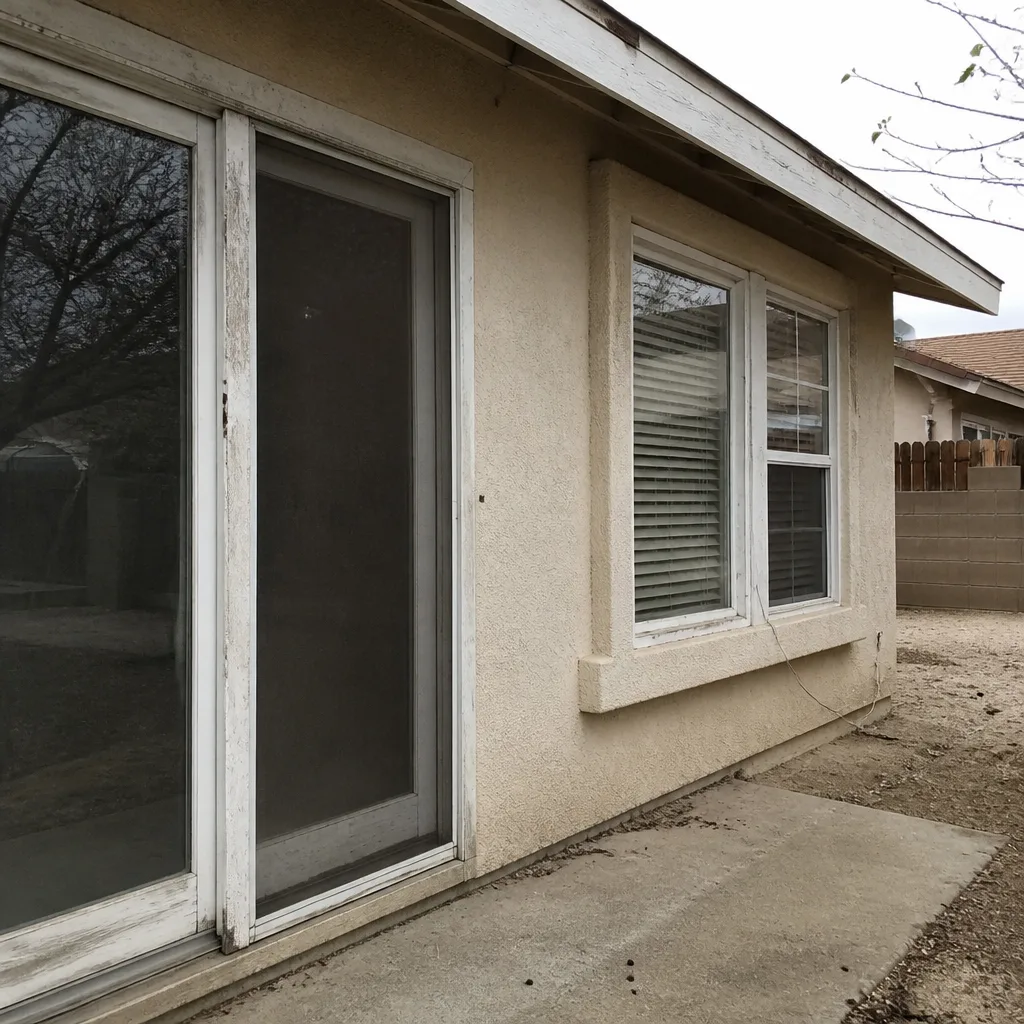 Before
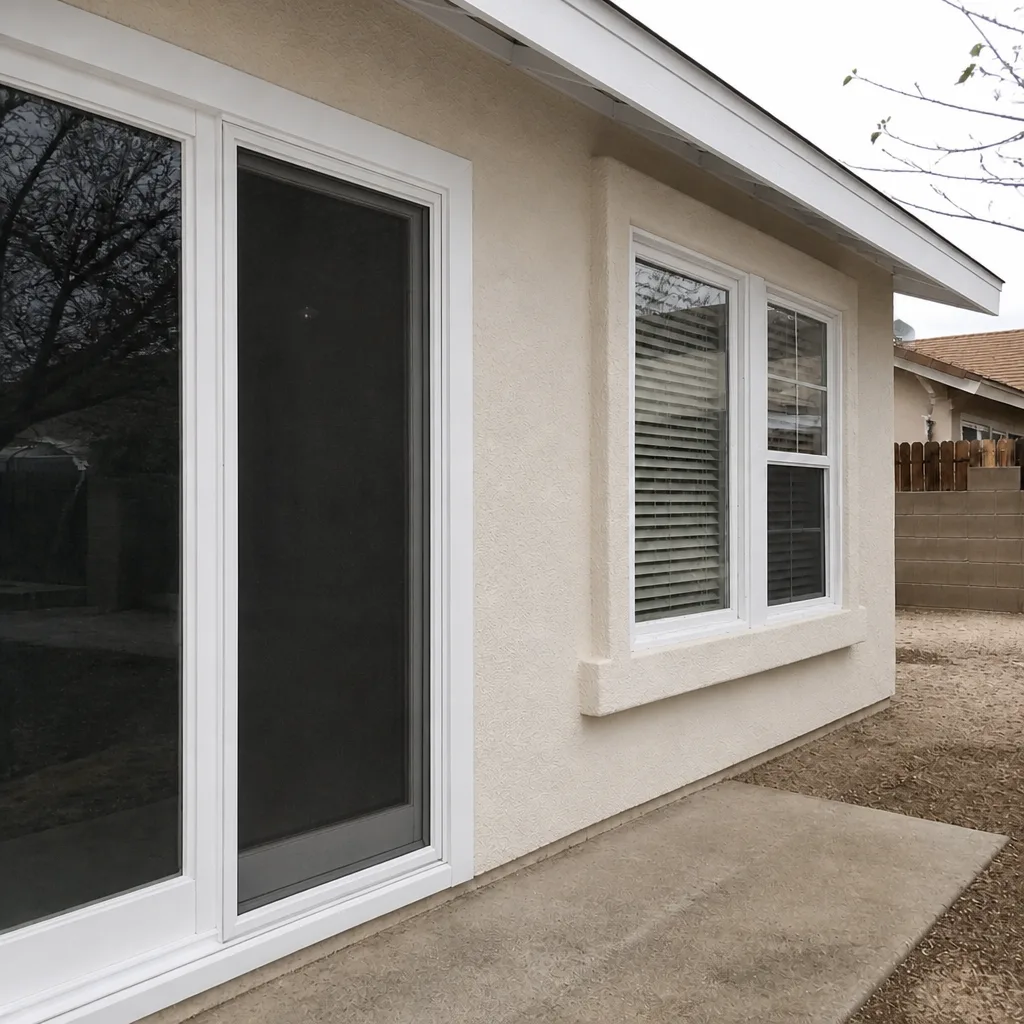 After
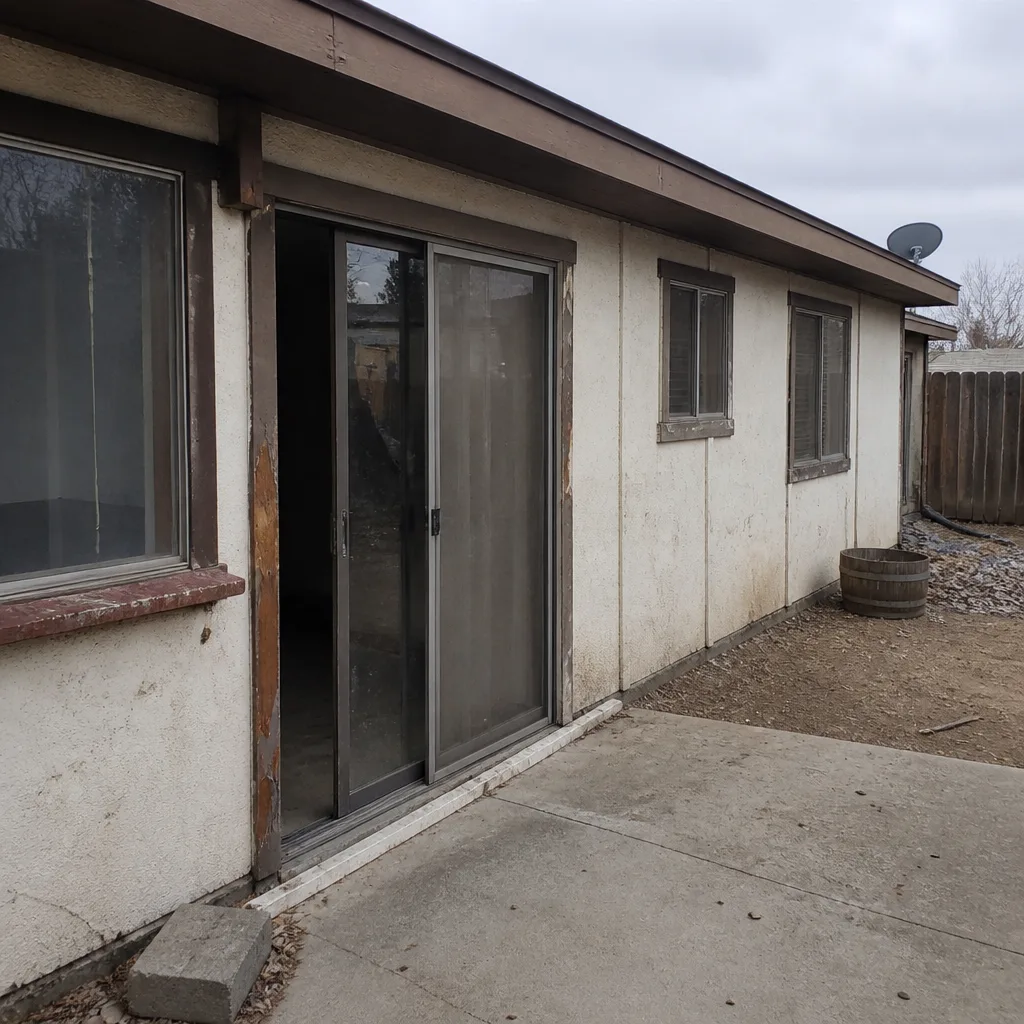 Before
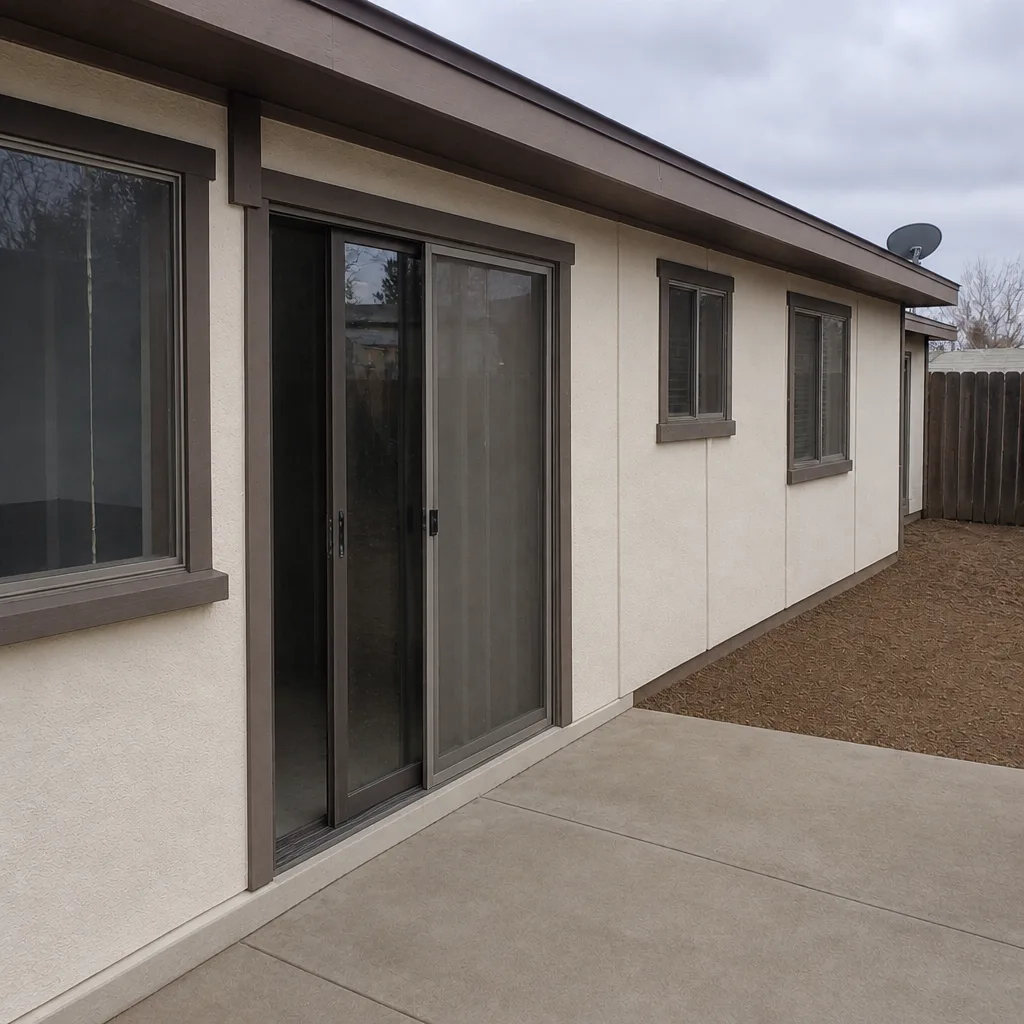 After
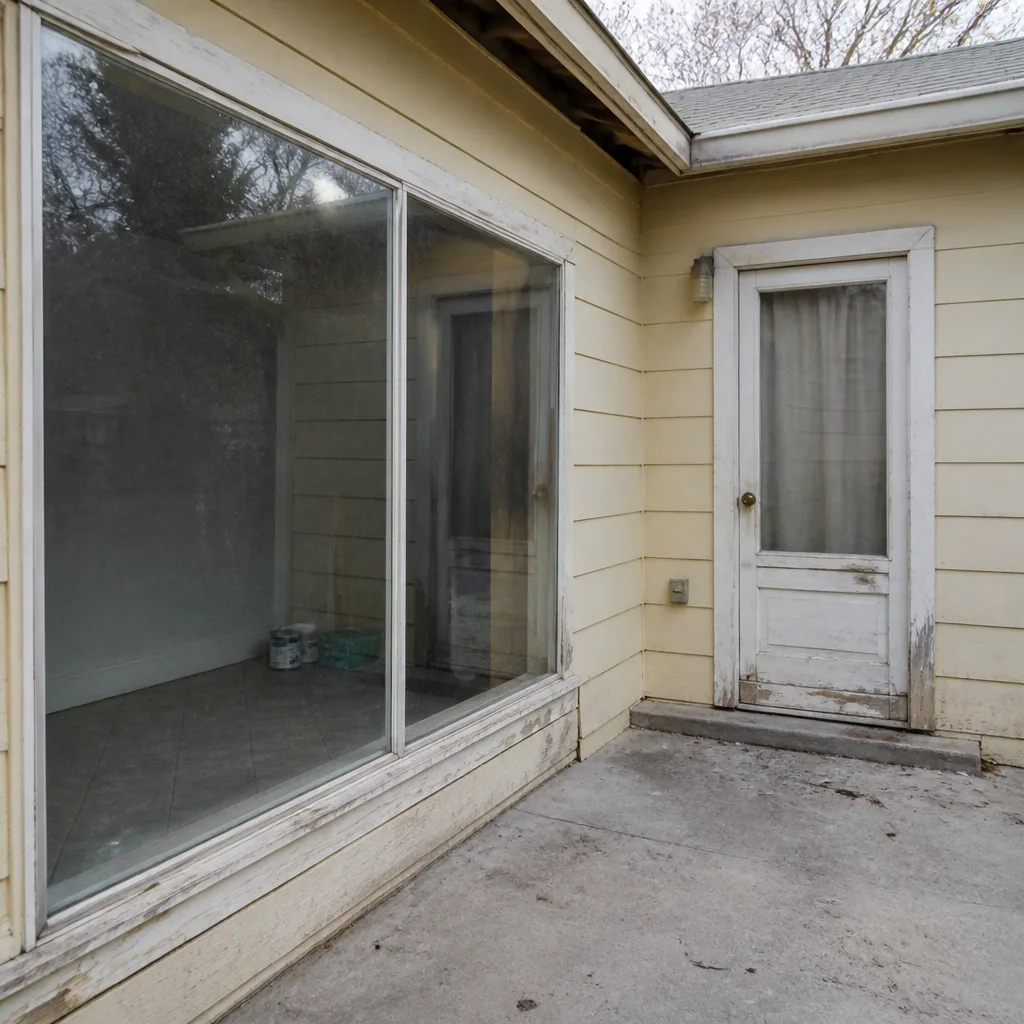 Before
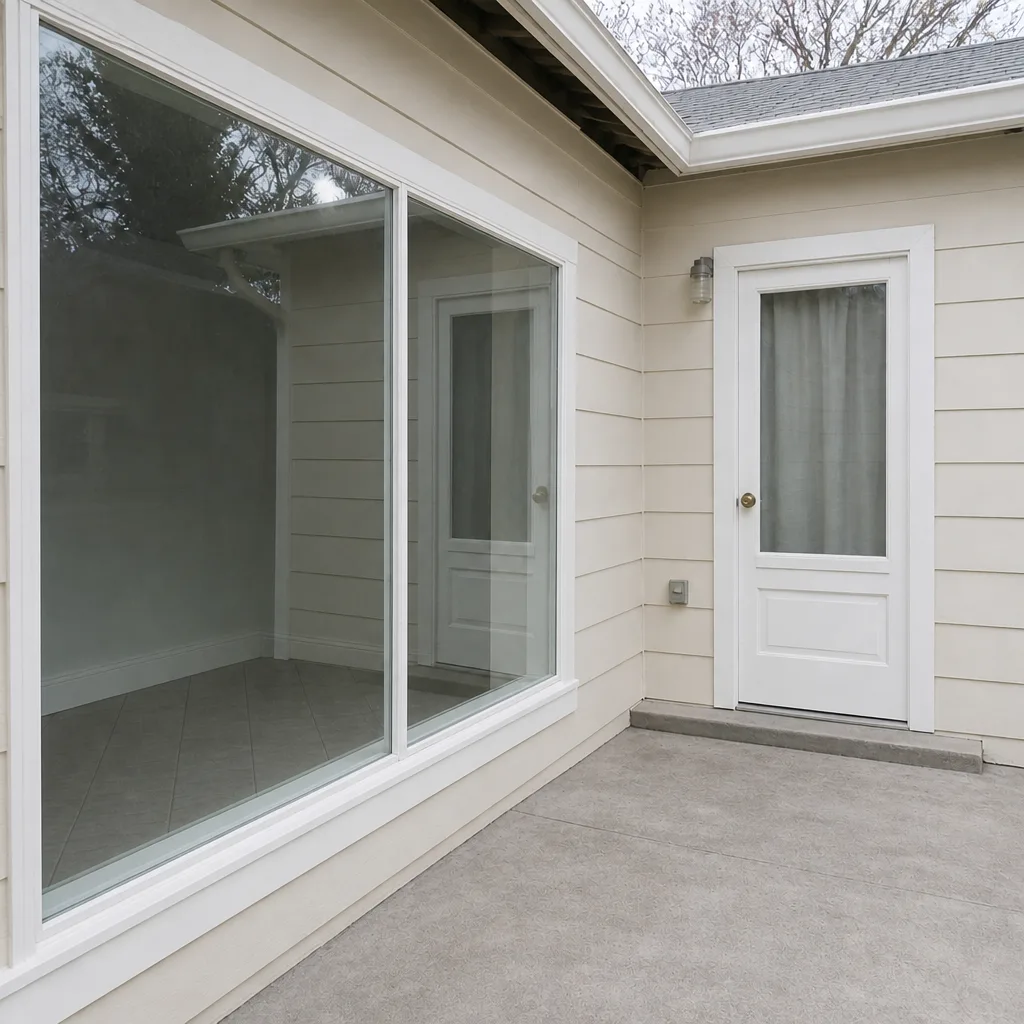 After
When to Call a Professional
Call a professional when you’re comparing brands across openings you can’t easily evaluate yourself, when a sun-exposed wall needs a material decision (vinyl versus fiberglass versus composite), when you’re weighing impact-rated glass for specific windows, or when you need the warranty terms read side by side. This is also the point to call if you’re planning a whole-home project and want a per-opening product plan rather than a single-brand quote. Winchester Windows & Doors offers free estimates in Winchester. Call (844) 834-0211. We answer 24/7. Fast dispatch from 7am to 7pm, Sunday through Friday. Our Winchester Windows & Doors team installs only windows and doors, and the written line-item quote sets the final price.
Frequently Asked Questions
There’s no single best brand, but for a cooling-dominated climate the strongest picks are lines with true fiberglass or performance-grade composite frames and a low solar heat gain coefficient option, which is where brands like PGT, CGI, ES Windows, and ECO Window Systems earn their place. The right choice depends on each opening’s exposure, which is why a multi-brand roster beats a single-brand recommendation.
Because Winchester’s dominant energy load is cooling, not heating: solar heat gain coefficient controls how much heat enters the home, while U-factor mainly governs heat loss. A lower SHGC reduces solar heat load on a hot afternoon, which is the number that does real work here. Call (844) 834-0211 for a free estimate that starts with your exposure map.
Low humidity itself isn’t a window problem, but the dry air and big thermal swings stress seals, hinges, and finishes over time. That’s why seal failure coverage and hardware warranties matter more here than in a mild climate. Choose brands whose fine print covers those failures, and ask us to walk you through the terms.
No, not as a whole-house default. Hail is uncommon here, so impact-rated glazing is an exposure-specific upgrade for large low windows, west- or south-facing walls, and open-terrain wind risk, where PGT and CGI performance lines are worth examining. Most homes get more value from the right solar-control glazing package.
No. We give a written line-item estimate per opening, and that estimate fixes the final price with no change orders. If you’re comparing brands, the estimate shows you exactly what each tier costs for each window or door. Call (844) 834-0211 for a free estimate.
Where your city’s building department requires a permit for replacement work, we handle pulling it and see that the inspection passes. Most jurisdictions require permits for certain replacements, so confirm the requirement with your city and ask us to include it in the written scope. Estimates are free.
The Bottom Line
Choosing a window or door brand in Winchester is a performance decision disguised as a shopping decision. Read the NFRC label looking at solar heat gain coefficient first, match frame material to each opening’s sun exposure, and compare warranty terms on the three failures this climate actually causes: seal, hardware, and UV finish. Then match the right product tier to each opening rather than forcing one brand across the house. Carrying eight manufacturer lines, from PGT and CGI impact-rated glazing to Therma-Tru and ViewLux doors, exists for exactly this reason: the right product for your home, not our fastest seller.
Call (844) 834-0211 for a free estimate. We answer 24/7. Fast dispatch from 7am to 7pm, Sunday through Friday, and we’re closed Saturday.
Written by the team at Winchester Windows & Doors.