Last updated November 17, 2026
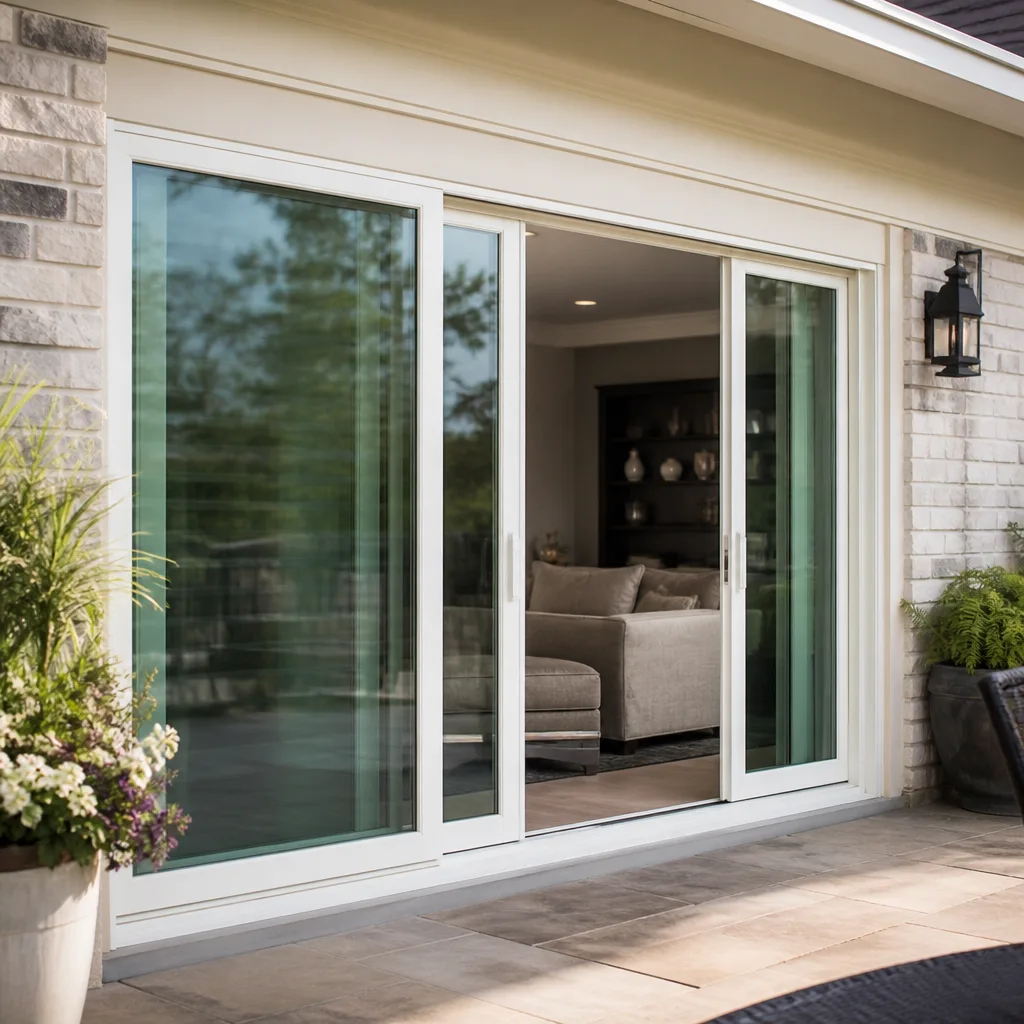 Sliding glass doors
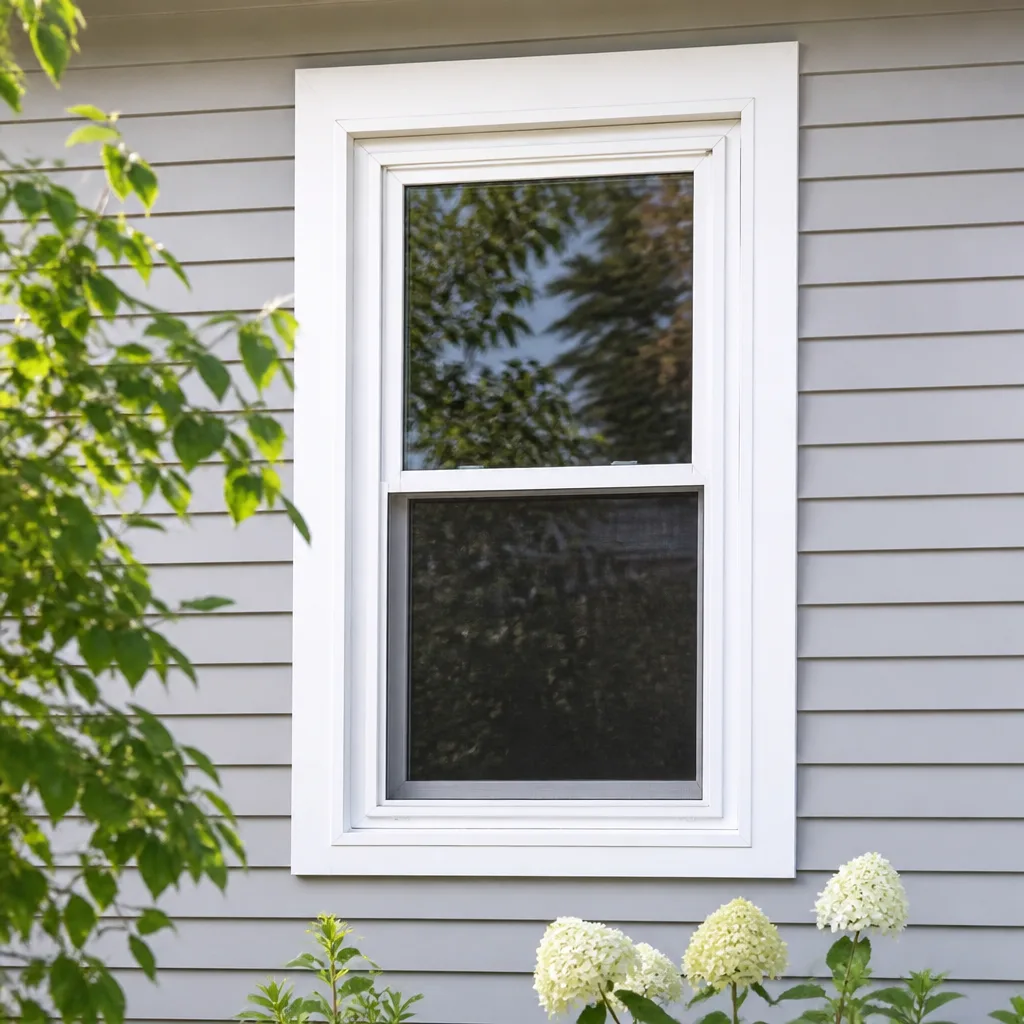 Single hung
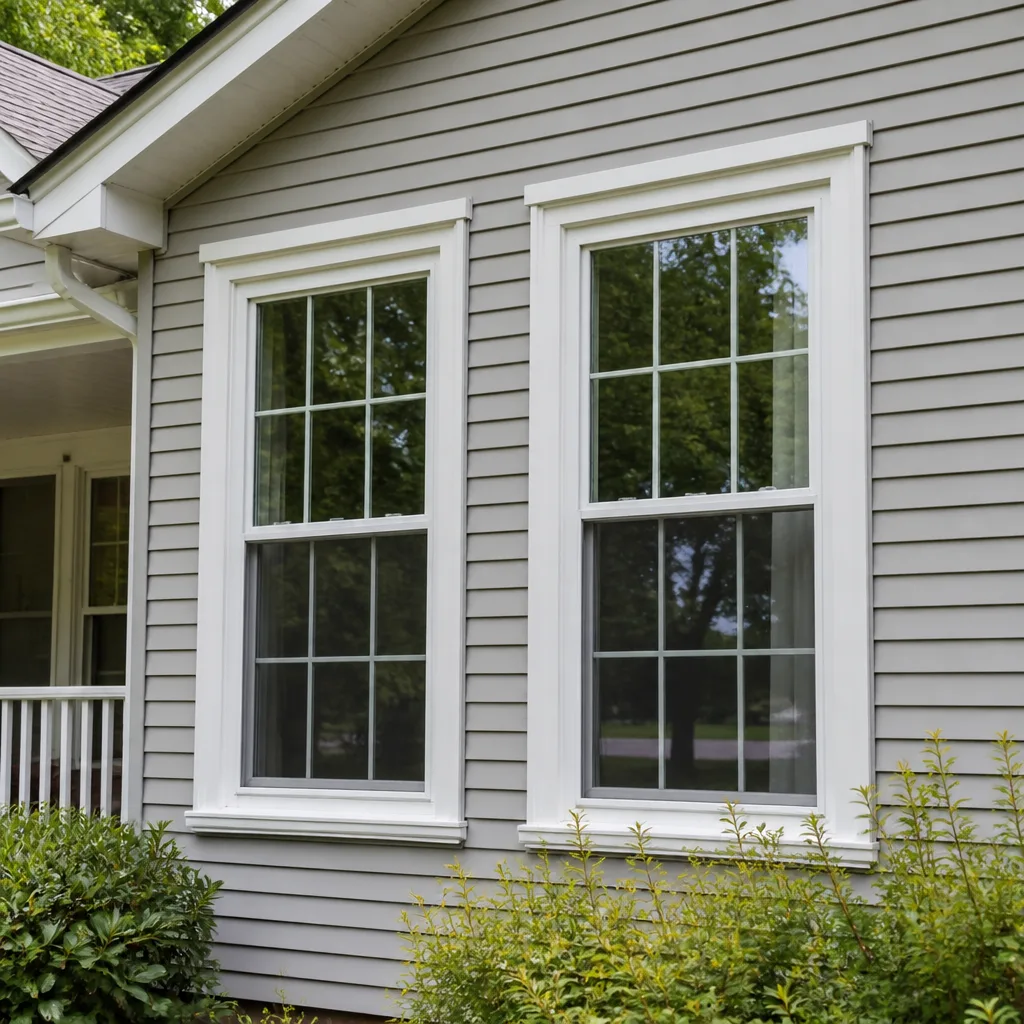 Double hung
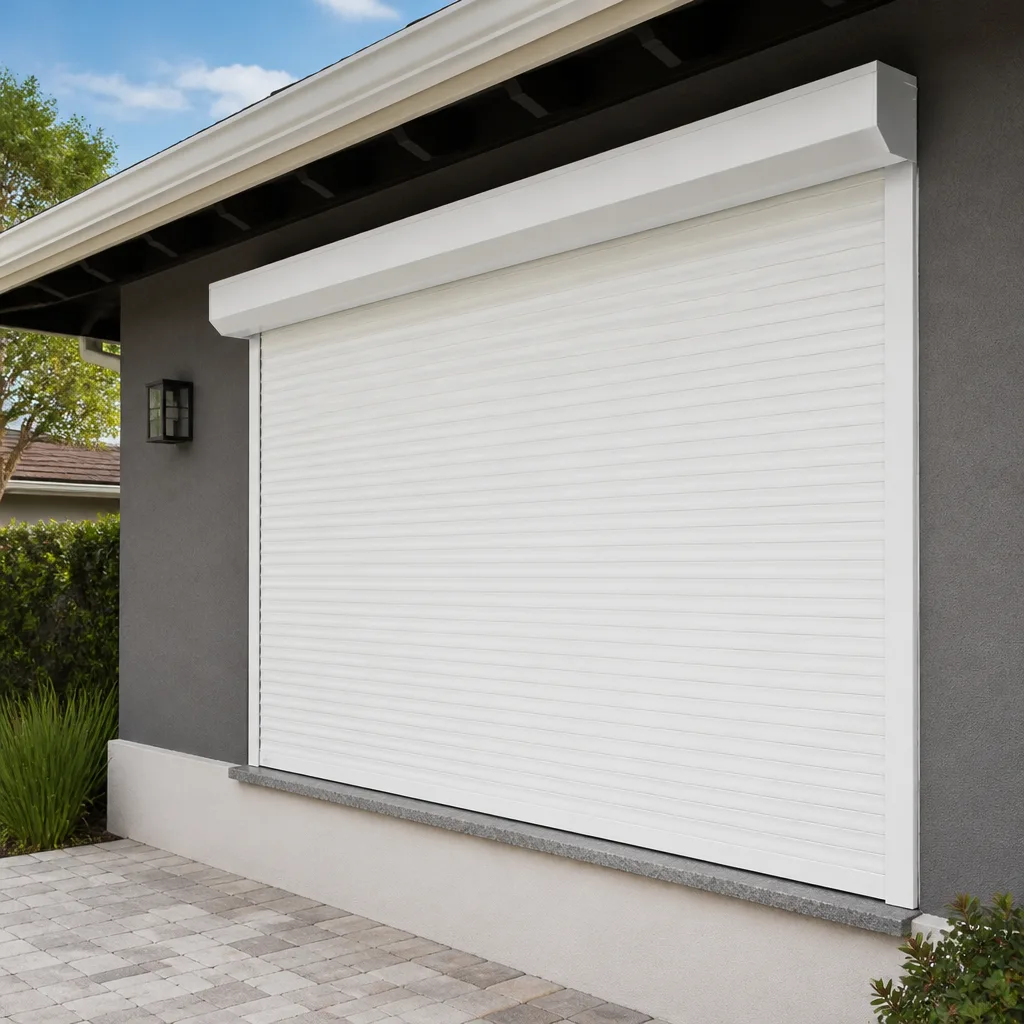 Horizontal roller
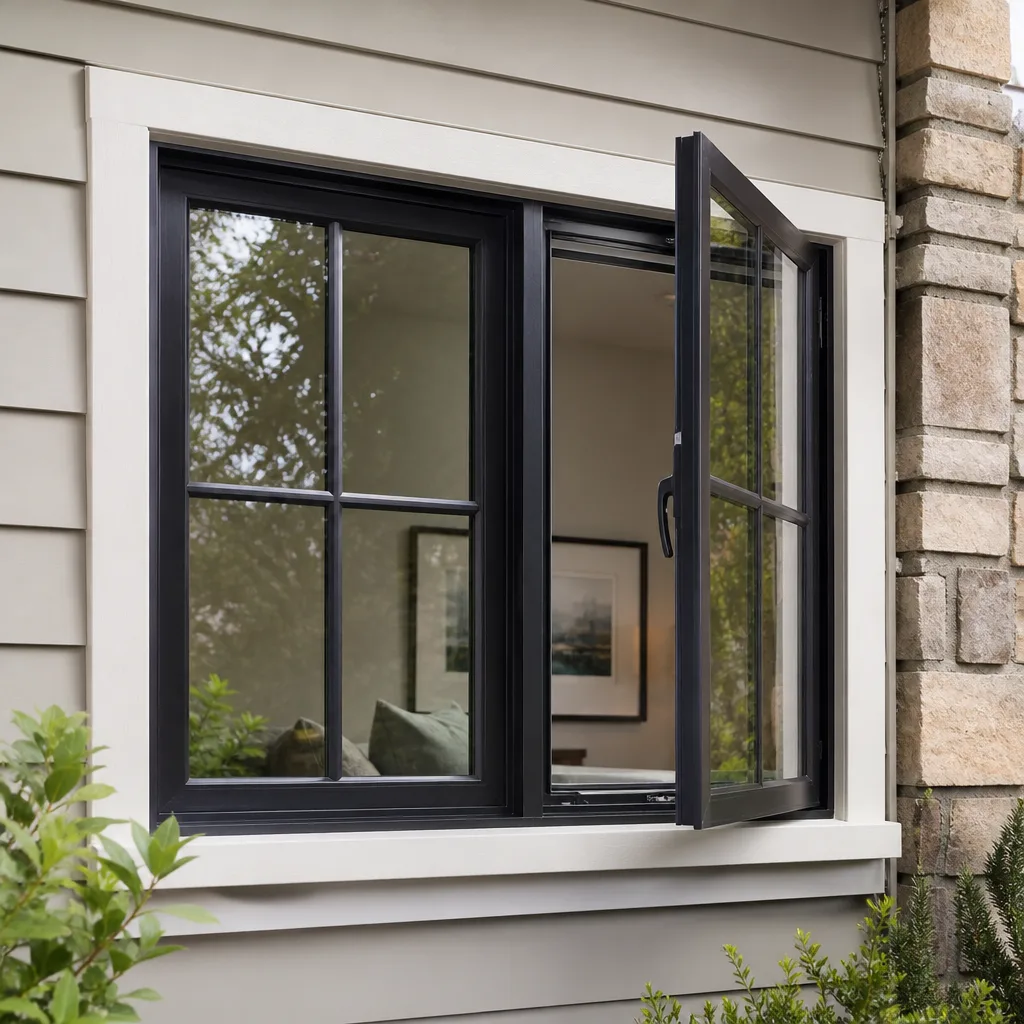 Casement
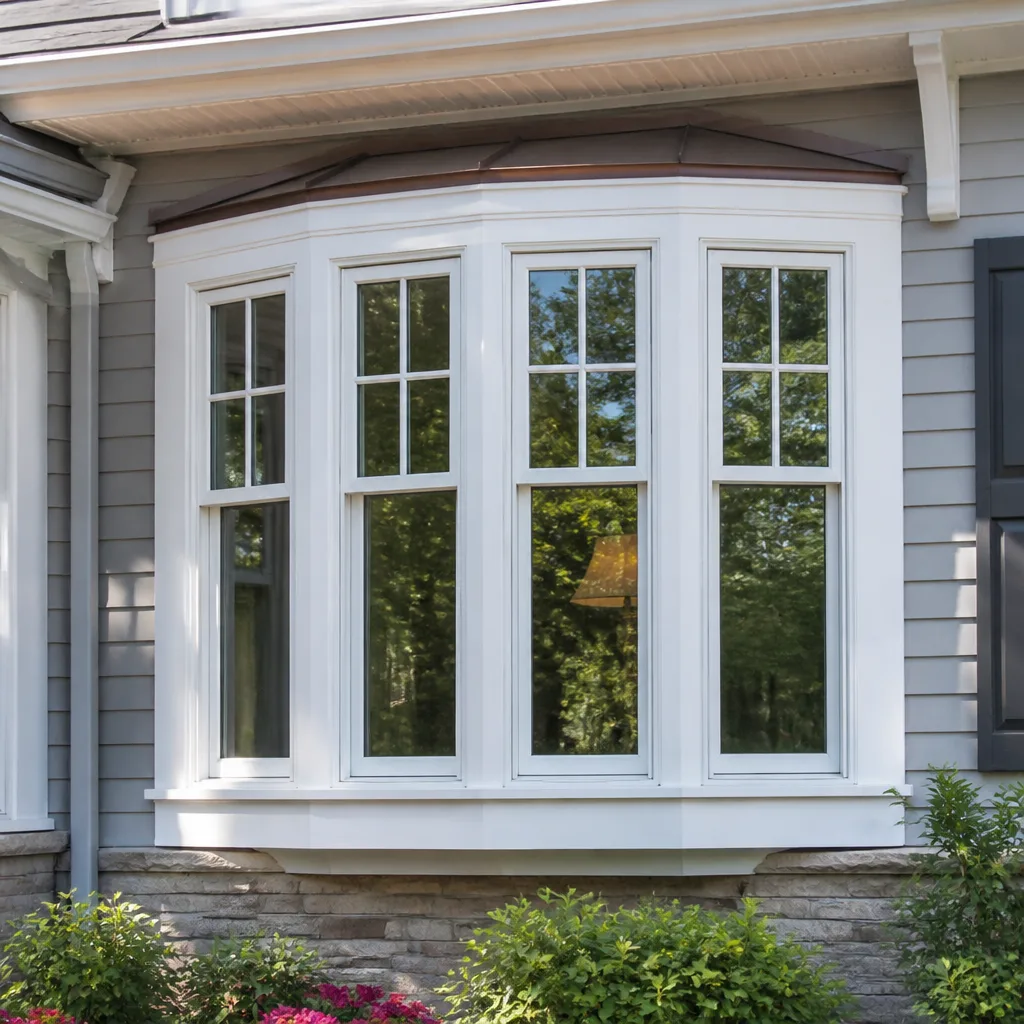 Bay & bow
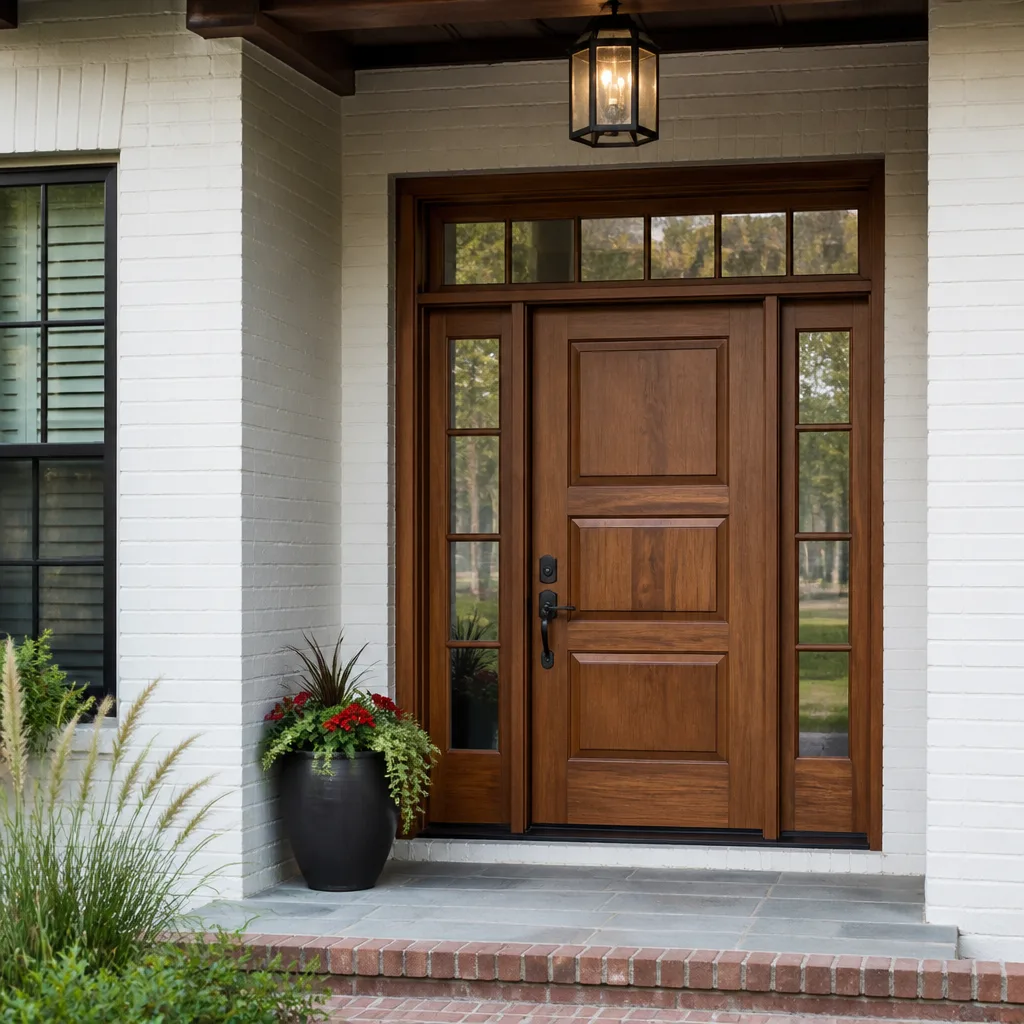 Entry doors
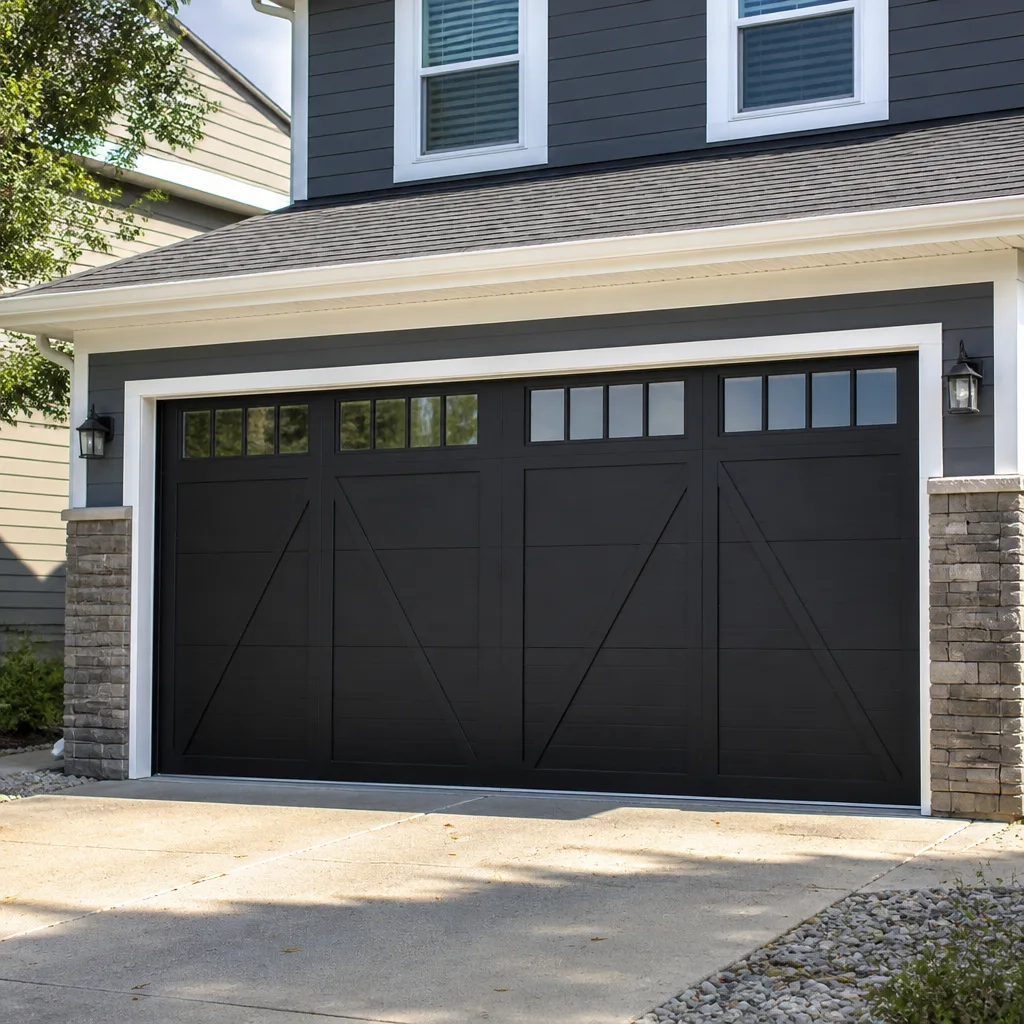 Impact garage doors
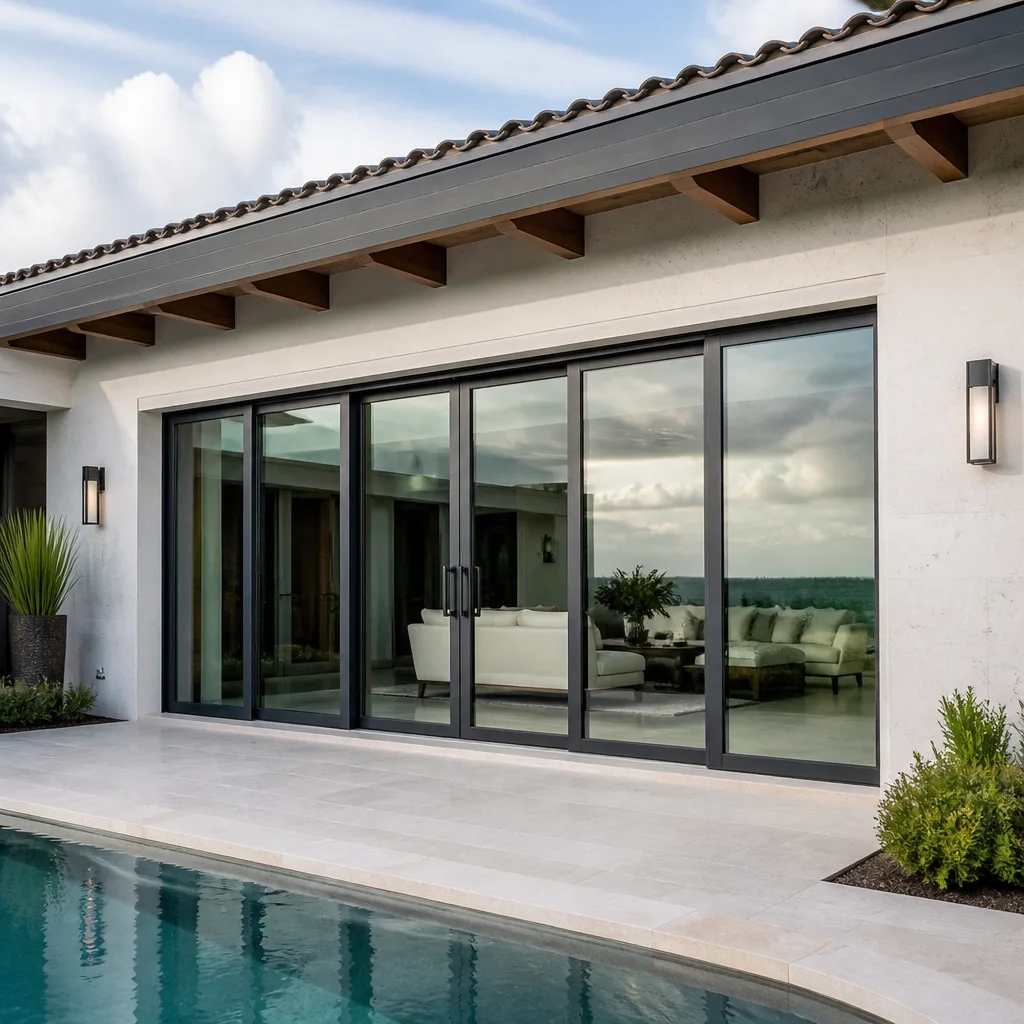 PGT
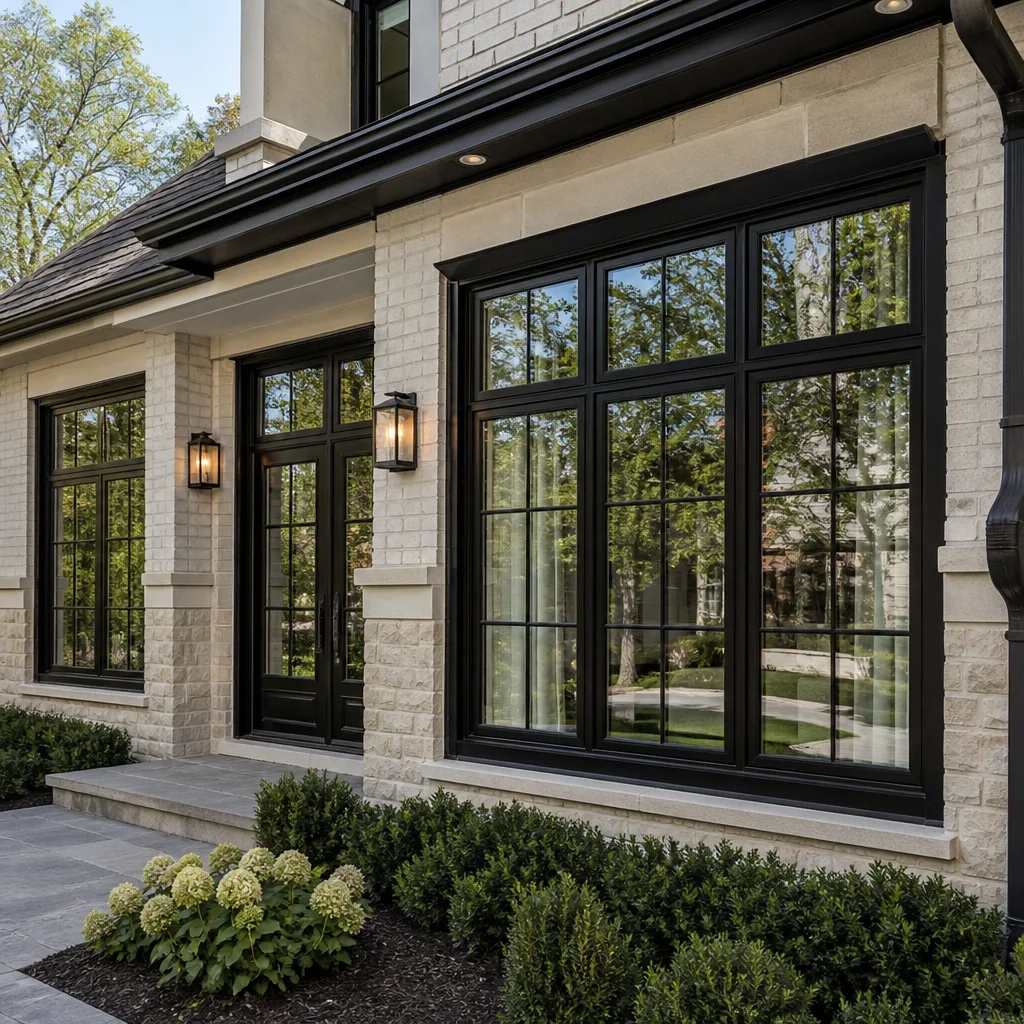 CGI
Free in-home measure and quote - PGT, CGI and CWS impact lines compared on your actual openings, style by style
Get your free estimateHow to Hire a Windows & Doors Contractor in Winchester: A Step-by-Step Guide
Most Winchester homeowners approach this decision backwards. They collect three bids, compare the bottom-line numbers, and pick the middle one, assuming the products are roughly equivalent and the price is the only real variable. But windows and doors aren’t commodities, and the contractor who installs them matters as much as the unit on the spec sheet. The real work happens before you sign anything: asking the questions that separate a dedicated windows-and-doors specialist from a general remodeler who added a line item. This guide walks you through the Nevada license check, the product questions that actually reveal expertise, the red flags buried in bids, and how to compare proposals that spec different products for the same opening. By the end, you’ll know exactly what to ask and what a good answer sounds like in Winchester.
Quick Answer
Hiring a windows and doors contractor in Winchester means verifying a Nevada C-19 specialty contractor license, asking product-specific questions about brand authorization and installation method, demanding written permit and warranty language in every bid, and comparing proposals by the actual product line and performance rating rather than by total price. A dedicated specialist installs only windows and doors and can explain the difference between product lines. A generalist usually can’t. The vetted contractor gives you a written line-item estimate, names the exact product going in each opening, and tells you who honors the warranty if something fails.
Styles & brands we work with
- Single hung
- Double hung
- Horizontal roller
- Casement
- Bay & bow
- Sliding glass doors
- Entry doors
- Impact garage doors
- PGT
- CGI
Table of Contents
- Why the Nevada C-19 License Matters More Than You Think
- The Product Questions That Separate Specialists From Generalists
- Reading a Bid: What Should Be There and What Shouldn’t
- Comparing Bids When Contractors Spec Different Products
- Installation Warranty vs. Manufacturer Warranty
- Installation Methods by Window and Door Type
- What Winchester Climate Demands From Your Windows and Doors
- Common Mistakes to Avoid
Why the Nevada C-19 License Matters More Than You Think
Nevada requires a C-19 specialty contractor license for window and door installation. That’s a specific classification, distinct from the general B contractor license that covers broad building work. The difference isn’t just bureaucratic: C-19 is the classification Nevada uses for the trades that install these products, and B-license holders doing window and door work are operating outside the scope their license was issued for.
Here’s where homeowners get tripped up. A general remodeler in Winchester can hold a perfectly valid B license for the kitchen work, the drywall, the framing. When that same remodeler hands you a window replacement quote as part of a larger project, many homeowners assume the license covers it. It may not. Windows and doors are a specialty category in Nevada for a reason: installation tolerances, flashing details, and structural attachment all differ from general construction.
To verify a license before you sign anything, work through this checklist:
- Ask the contractor for their Nevada State Contractors Board license number in writing. Get it on the estimate, not just spoken over the phone.
- Look up the number on the State Contractors Board’s public database. Confirm the classification listed is C-19.
- Check that the license status reads “active,” and that the classification hasn’t lapsed.
- Confirm the license name matches the company on your contract, not just a parent entity.
- Ask for a certificate of insurance showing general liability coverage, and call the insurer to confirm it’s current.
If a contractor hesitates on any of these, that hesitation is your answer. A legitimate windows-and-doors specialist in Winchester will hand over the license number without blinking, because the specialty is the whole point of their business. The vetting process starts with this license check, and it filters out more unqualified bids than any other single step. If license verification feels like an afterthought in the sales conversation, pay attention.
The Product Questions That Separate Specialists From Generalists
Credentials open the door. Product knowledge is what tells you whether you’re talking to a specialist. A dedicated windows and doors contractor in Winchester should be able to answer any of the following without reaching for a brochure. A general remodeler will typically stumble at question two or three.
Ask about brand authorization. Manufacturer warranties often require authorized installation for the coverage to apply, so the answer matters. A specialist who carries eight manufacturer lines, from impact-rated glazing through design-forward options, can walk you through which brands they’re authorized to install and what that authorization means for your coverage. A generalist buys from a lumber yard, and the warranty trail ends at the sale.
Ask about warranty transfer procedures. If you sell your Winchester home within the warranty window, what happens? Real specialists can tell you exactly which brands transfer, for how long, and what documentation the buyer needs.
Ask about installation method by window type. A replacement into an existing frame and a full-frame installation into new rough opening are different jobs with different pricing and different warranty implications. Which one applies to your opening and why?
Other diagnostic questions:
- What U-factor and SHGC rating would you recommend for a room that gets direct afternoon sun in this climate, and why? (A confident answer here reveals whether the contractor actually understands energy performance or just recites a label.)
- How do you handle flashing and weather sealing around the opening? (Vague answers reveal that this contractor hasn’t installed enough to have opinions.)
- Which installation details differ between an impact-rated window and a standard one?
- What’s your process if the opening measures differently than the quote assumed?
- Who performs the actual installation – a company crew or a subcontracted crew, and what’s the supervision arrangement?
You don’t need to know the right answer yourself. You need to hear the difference between someone who has installed these products and someone who’s guessing. The right product for your home, not the fastest seller, is the posture a specialist takes. If every question funnels toward one product, you’re talking to a sales rep with a single line, not a specialist with a portfolio.
Reading a Bid: What Should Be There and What Shouldn’t
A bid for window and door work in Winchester should read like a job-specific document, not a letterhead with a number on it. Vague line items are the most common problem, and they’re nearly impossible to resolve once work starts. Before you compare prices, verify the bid actually specifies what you’re buying.
A legitimate bid should include:
- Line-item pricing for each opening, naming the exact product, model number, size, and glaze/tint option.
- Permit language, meaning the contractor states clearly that permits will be pulled and identifies who’s responsible for the fee.
- Installation method specified per unit – replacement-in-frame or full-frame, with rough opening dimensions where relevant.
- A written estimate that sets the final price, with a change-order process described in plain language.
- Warranty terms in writing, separately for installation work and for the product.
- Cleanup and disposal, stated explicitly so old units don’t end up in your side yard.
Then look for what shouldn’t be there. Brand substitutions buried in the fine print are a classic red flag. If the bid says “or equal” next to a PGT model and doesn’t define what equal means, you’ve handed the contractor permission to swap product on installation day. Strike that clause or get the substitution defined in writing before signing.
Other warning signs in a bid:
- Missing permit language, with a verbal promise to “handle it later.” Winchester-area permitting isn’t optional, and the plan review catches problems you don’t want found after installation.
- A price that doesn’t break out labor from product. You need both to compare bids fairly.
- No mention of who’s responsible for repairing drywall or trim disturbed during installation.
- Warranty terms summarized verbally but absent from the document.
- A quote that names a manufacturer only in a logo at the top of the page rather than at the line-item level.
Ask the contractor to walk you through every line of the bid in the room, not in the hallway. A contractor who knows their own bid stays with each item. One who flips pages quickly is telling you the bid was assembled from a template.
Comparing Bids When Contractors Spec Different Products
Here’s the problem with three-bid comparison as homeowners normally do it: contractor A specs a mid-grade vinyl unit, contractor B specs an impact-rated PGT or CGI window, and contractor C specs something in between. The prices aren’t comparable because the products aren’t. Sorting this out means converting each bid to the same baseline before you look at the total.
Build a comparison grid. Download the National Fenestration Rating Council label data for each product spec’d in your bids, and put it side by side. The core parameters to compare for each opening:
- U-factor – a measure of heat transfer, with lower numbers indicating better insulation. The same opening in the same Winchester home gets a different energy result depending on this.
- Solar Heat Gain Coefficient (SHGC) – how much solar heat the unit admits. Important in Winchester’s high-desert climate where summer afternoon sun drives cooling loads.
- Visible Transmittance (VT) – how much daylight comes through. Matters for rooms that feel dim with a lower-VT unit.
- Air leakage rating – critical for comfort and for the tightness of the building envelope.
- Design pressure (DP) rating – a wind-load threshold. Impact-rated PGT and CGI products are commonly tested to higher DP ratings than standard builder-grade units, which matters for storm exposure.
- Warranty terms – how long, what’s covered, whether it transfers, and whether it’s the manufacturer or the installer backing each part.
Once you’ve built the grid, compare the delivered price of an equivalent product from each contractor. In our experience, once a homeowner runs this exercise, the “middle bid” is often the highest-performance product, and the “cheapest bid” is often the one asking you to accept a lower grade. The number on the page tells you what you’re paying. The NFRC label tells you what you’re getting.
Two other comparison points that get lost in the price shuffle:
- Who does the work. A quote from a company whose own installers do the job isn’t the same as a quote from a company that subs it to a crew you’ve never met.
- Permit handling. If one contractor prices the permit in and another doesn’t, you’re not comparing the same job.
Installation Warranty vs. Manufacturer Warranty
There are two warranties in a windows-and-doors job, and they cover different failures. The manufacturer warranty covers the product: glass, frame, hardware, finish. The installation warranty covers the work: sealing, fastening, flashing, fit, and everything else the installer touched. Homeowners who confuse the two end up calling the manufacturer about a leak the installer caused, or calling the installer about a failed seal in the glass.
What a legitimate installation warranty looks like:
- Written, on the contract, with specific coverage terms and a duration.
- Specific about what’s covered – water intrusion, air infiltration, hardware alignment, finish failure.
- Clear about exclusions – acts of nature, structural movement, customer-supplied product, damage from other trades.
- Backed by the company you hired, not a separate entity that dissolves if the installer’s business closes.
- Transferable or not transferable, stated explicitly – either is fine, but you need to know which.
The manufacturer warranty works differently. It follows the product through the authorized channel, and its enforceability often depends on installation by an authorized contractor. This is why brand authorization keeps coming up in this guide: if the installer isn’t authorized by the manufacturer, the manufacturer warranty often doesn’t cover the product in your home. A dedicated windows and doors specialist in Winchester who’s an authorized installer across their brand lines is giving you access to the manufacturer warranty that a generalist can’t.
Ask each bidder for both sets of warranty documents, in full, before signing. Read the installation warranty’s definitions section. That’s where the disclaimers hide.
Installation Methods by Window and Door Type
Two installation methods dominate window work, and they carry different implications for performance, appearance, and warranty. Doors have their own method considerations. Understanding the difference gives you the vocabulary to ask better questions.
Pocket replacement (also called insert replacement) removes the sash and installs a new unit into the existing frame. It’s typically less invasive, keeps the interior and exterior trim in place, and works well when the existing frame is sound. Energy performance depends heavily on how the new unit fits the old frame, so sealing and flashing quality matter more than the method itself.
Full-frame replacement removes the entire window down to the rough opening and installs a new window with a new frame. It allows for larger sizes, more insulation in the cavity, and correction of any rot or damage in the opening. It’s more invasive and typically costs more, but it’s the right call when the frame is compromised or the opening measurements matter.
Doors add their own variables. A fiberglass entry door from a line like Therma-Tru, for example, requires proper shimming, threshold sealing, and hardware alignment that a general remodeler may not have done at volume. Patio doors complicate things further because the track and threshold details determine water management for the whole opening.
The questions to ask per window and door:
- Which method will you use on this opening, and why?
- What’s the rough opening dimension, and does it match the product spec on the bid?
- How is flashing handled at the sill, jamb, and head?
- What’s the plan if the existing frame has rot or damage the pocket method would hide?
- Are interior and exterior trim repairs included, or quoted separately?
Installation quality is where product quality either gets delivered or lost. A premium window installed poorly will leak. A standard window installed precisely will perform to its rating. Built to last, installed to fit is the standard to hold the contractor to.
What Winchester Climate Demands From Your Windows and Doors
Winchester sits in the Las Vegas Valley, which means the local climate places specific demands on windows and doors that a contractor from out of the area won’t fully understand. Daytime summer temperatures routinely exceed 100°F, and the west and south-facing walls of a home take sustained solar load through afternoon hours. Nighttime desert cooling swings back the other direction. The thermal envelope has to work in both directions.
That has direct implications for what you should be asking on product selection:
- Lower SHGC matters more here than in mild climates. A unit with an SHGC spec’d for the local sun exposure keeps cooling loads down; a high-SHGC unit turns your living room into a greenhouse by mid-afternoon.
- Window film and tint options behave differently here, and glazing selections that make sense in a cloudy climate may look too dark under direct desert sun.
- Air infiltration is a bigger deal than many homeowners realize, because the temperature differential across a leaking window is extreme during peak summer.
- Doors face their own exposure. An entry door on a west-facing wall takes significant thermal stress, and product lines rated for that exposure are worth the conversation.
Wind exposure matters too. The Las Vegas Valley experiences wind events that can stress fail older units, which is where impact-rated lines like PGT and CGI earn their keep. Storm impacts aren’t a routine concern in Winchester, but wind-driven debris and dust intrusion are. Impact-rated product isn’t always the right answer, but understanding the difference between impact-rated and standard product is the right conversation.
When a contractor visits your Winchester home, they should ask about orientation, shade, room use, and whether the opening is on the interior of the block. If they skip those questions and jump straight to product options, that’s a signal they’re spec’ing by habit rather than by your home’s actual exposure. A specialist walks the house and then recommends product. A generalist recommends product and then walks the house.
Common Mistakes to Avoid
- Hiring a general remodeler for windows and doors without verifying the C-19 license. A general contractor license covers broad building work in Nevada; window and door installation requires the C-19 classification. If the remodeler’s license doesn’t match the work, you’re outside the scope of licensed installation, and both your warranty and your insurance may have gaps.
- Comparing bids by total price when the products are different. A quote for a mid-grade vinyl window isn’t the same job as a quote for an impact-rated PGT unit spec’d for the same opening. Convert every bid to the NFRC label before comparing dollars. Cheapest isn’t cheapest when it’s a lower grade of product.
- Accepting a bid with vague line items or “or equal” substitution clauses. If the product, the model, the size, and the glaze option aren’t spelled out per opening, you’ve handed the contractor permission to install whatever fits the price. Not all substitutions are problems, but the ones you didn’t authorize are.
- Signing without permit language in the contract. Winchester-area permits and inspections catch issues you’ll care about later: flashing, attachment, rough opening. A contractor who treats the permit as an optional overhead is a contractor who treats installation quality as optional too.
- Confusing the manufacturer warranty with the installation warranty. Product coverage doesn’t cover a poor installation, and an installation warranty doesn’t cover a glass seal failure. Ask for both in writing, and read the installation warranty’s exclusions section before signing.
- Assuming brand authorization is automatic for every installer. If a contractor isn’t on the manufacturer’s authorized installer list for the brand they’re proposing, the product warranty can be limited or void. Ask which brands they’re authorized for and confirm before signing.
- Skipping the walk-through on product selection. If the contractor only quotes a product over a spreadsheet and never visits your home to see the openings, orientation, and existing conditions, you’re quoting a product, not a job. The correct installation method depends on the actual opening.
- Ignoring what a warranty transfer requires. If you plan to sell within the coverage window, ask the transfer process before signing, not after. Transfers that require an authorized channel installation can be voided by the wrong installer.
See the difference
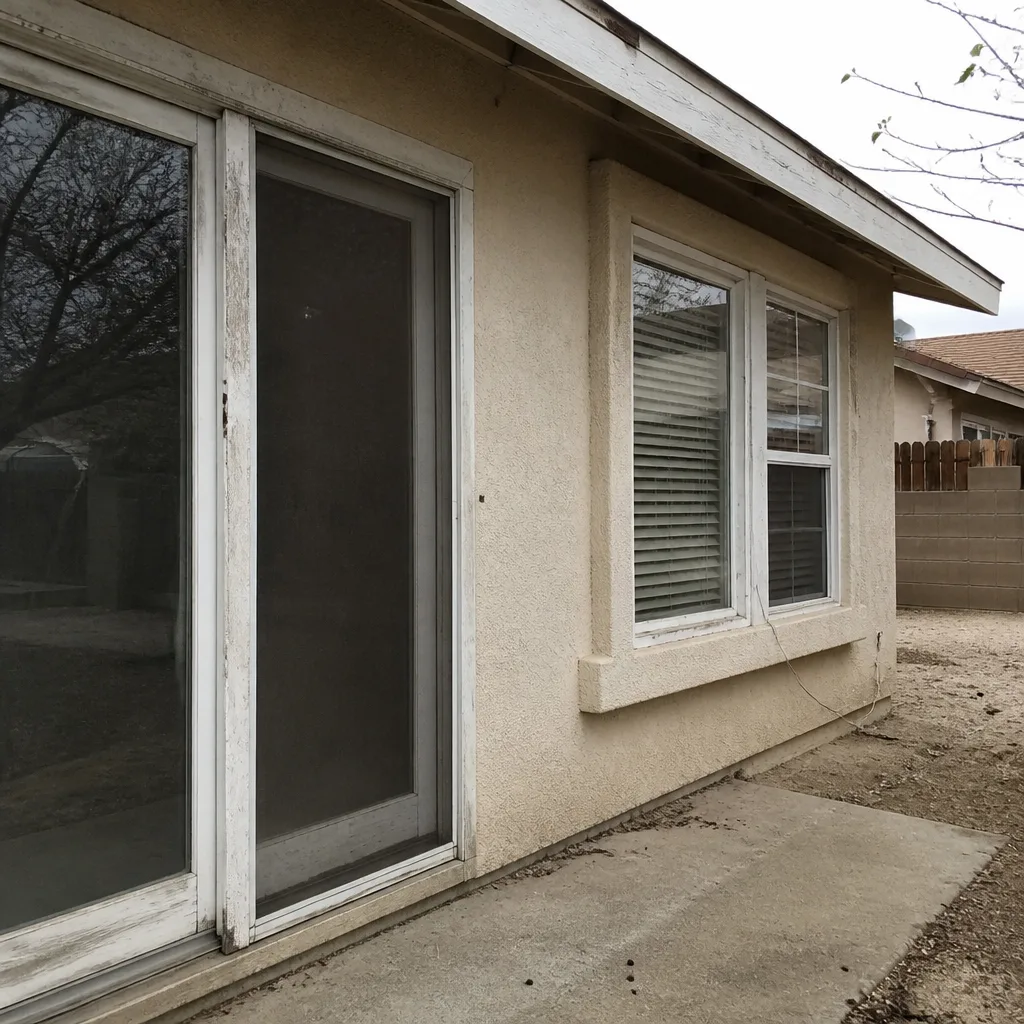 Before
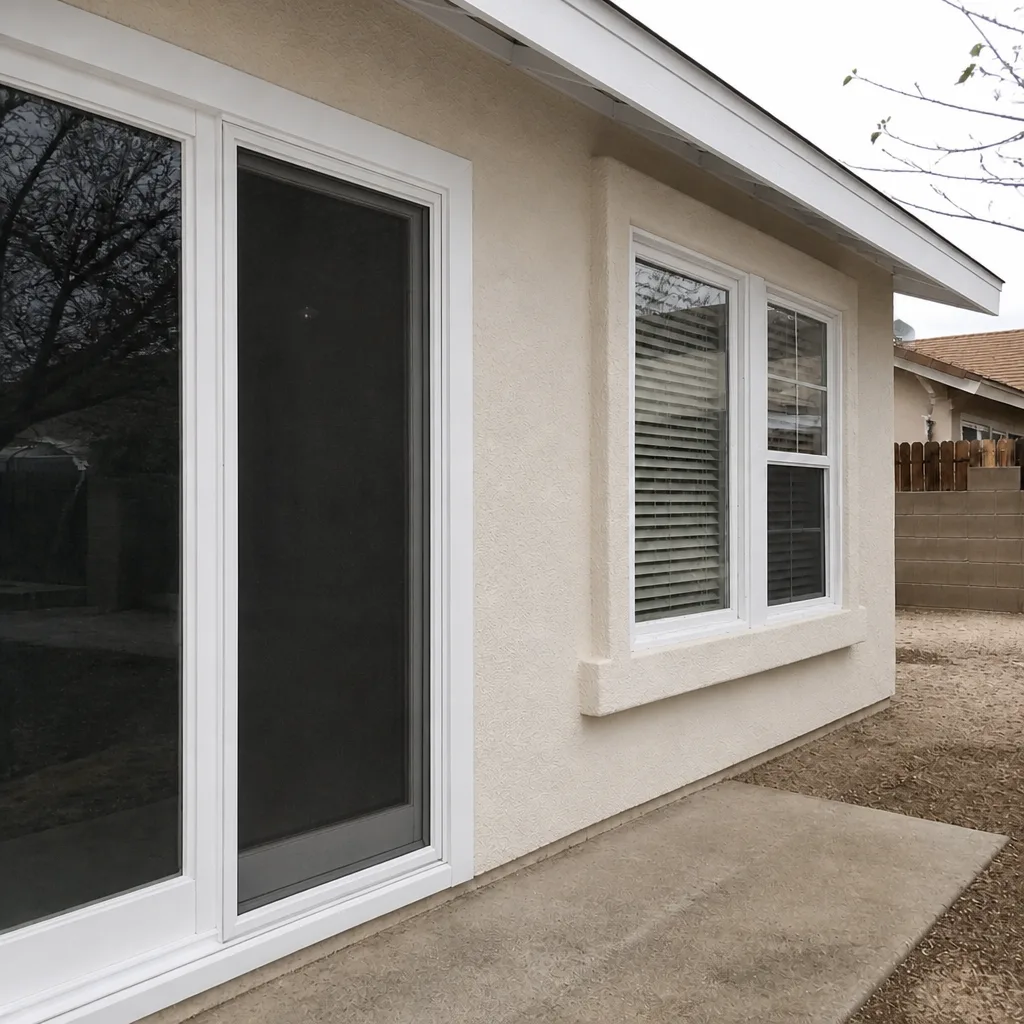 After
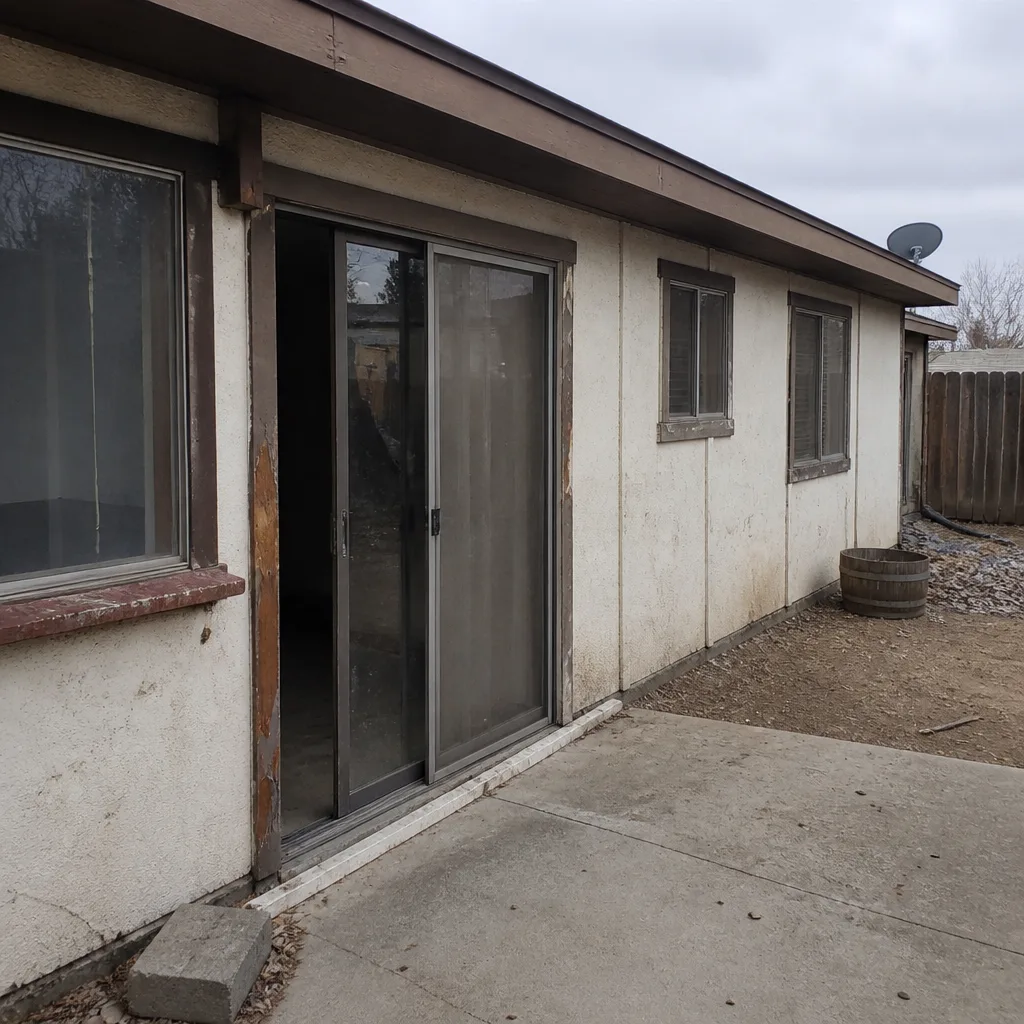 Before
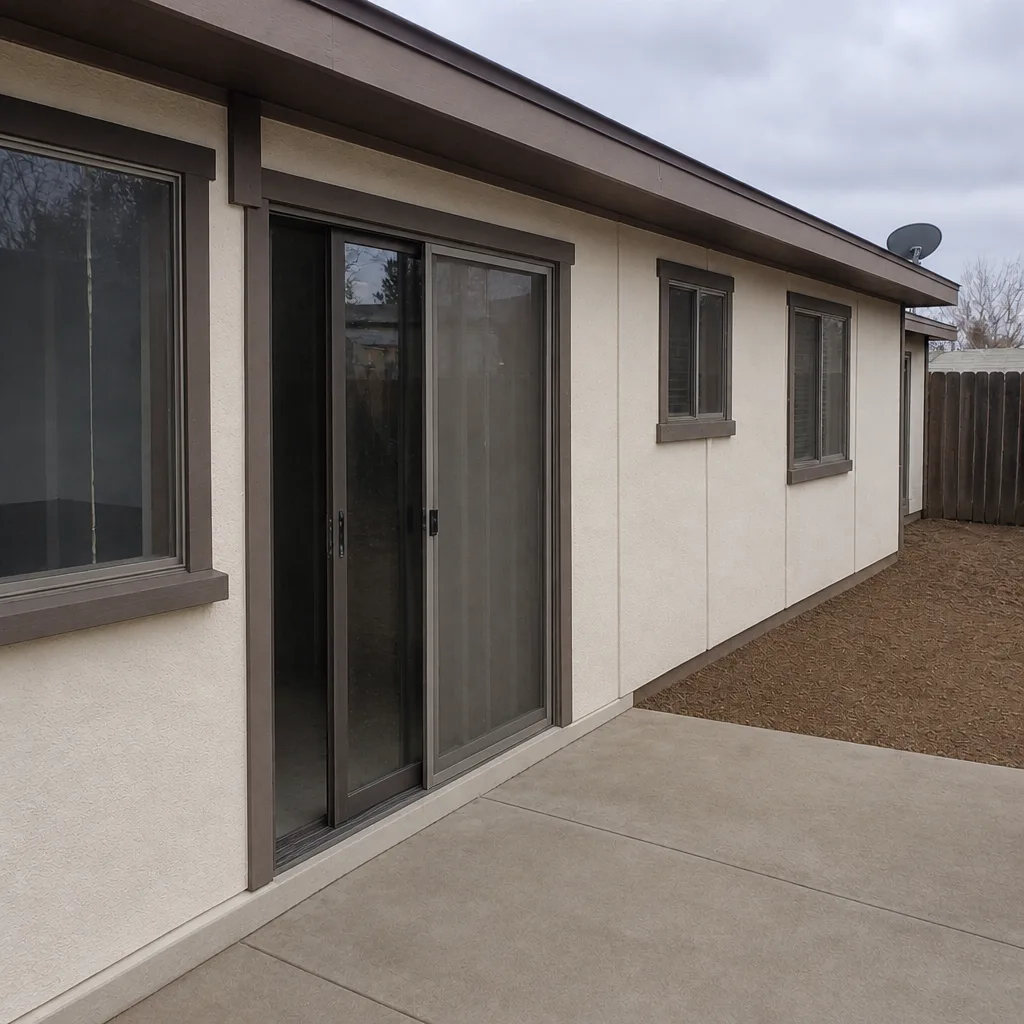 After
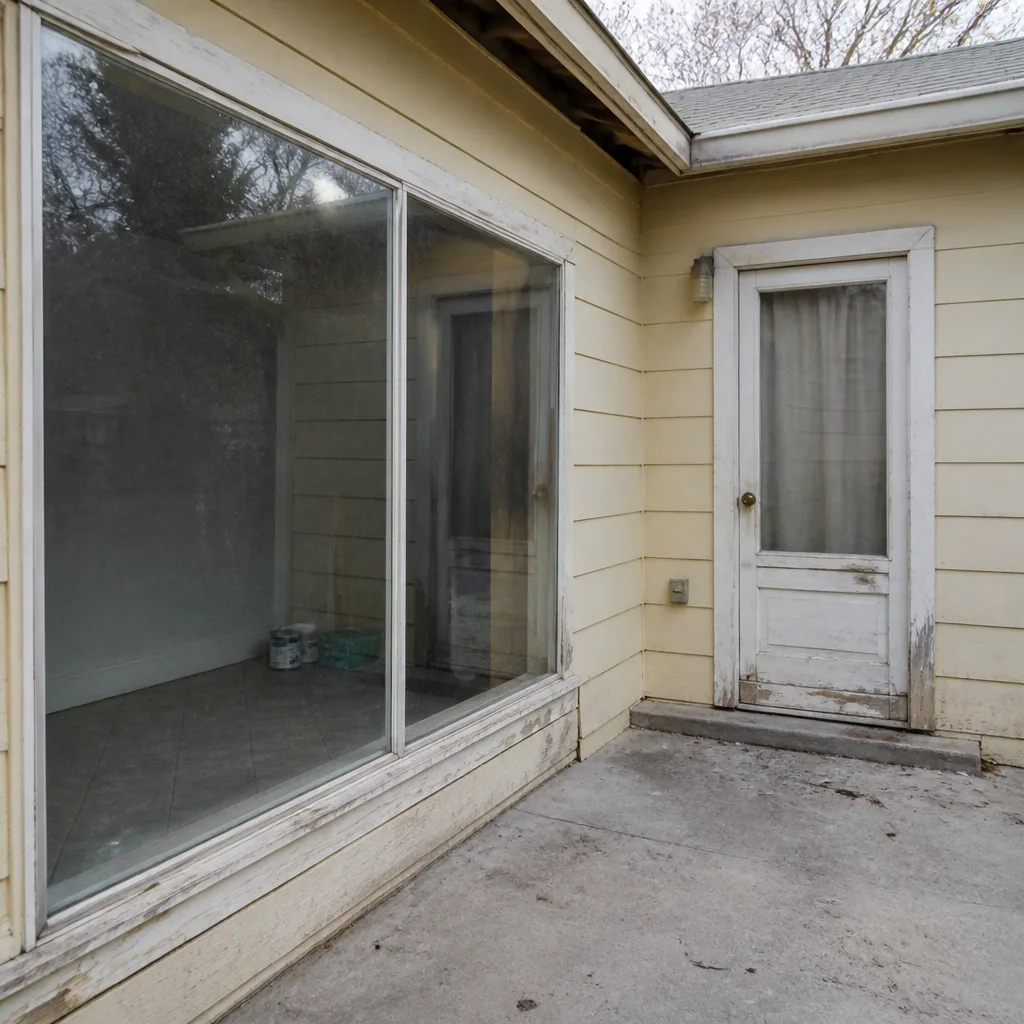 Before
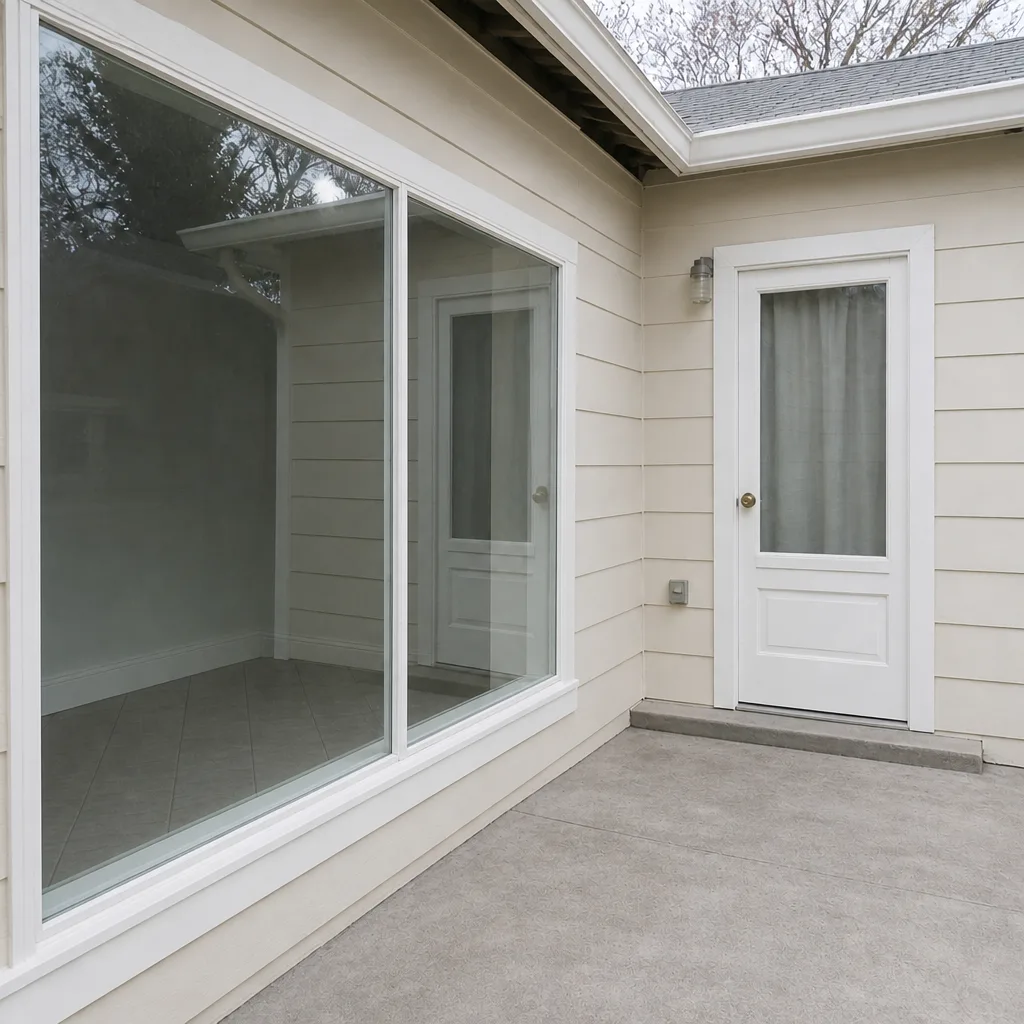 After
When to Call a Professional
If you’re facing a failing seal that fogs between panes, a door that no longer closes cleanly, a window that leaks during wind-driven rain, or an opening that’s simply past its service life, the answer is a professional installation rather than an in-place repair. Windows and doors are a system of seals, flashings, and fasteners. One component failing usually means the assembly needs attention, and a homeowner with a caulking gun can chase the leak for years without fixing the underlying problem. In Winchester’s climate, the stakes are higher: a compromised opening during a 110°F summer week costs more in cooling bills than the repair itself. If the frame is compromised, if you’re getting condensation between the glass, if the door hardware doesn’t align or the frame has shifted, it’s time for a real conversation. Winchester Windows & Doors offers free estimates in Winchester – call (844) 834-0211 to book a walk-through.
Frequently Asked Questions
Yes. Nevada requires a C-19 specialty contractor license for window and door installation, and the license classification is separate from the general B contractor license that covers broader construction work. Ask for the license number on the estimate and verify it on the Nevada State Contractors Board’s public database before signing. A contractor who can’t produce an active C-19 license shouldn’t be installing windows or doors on your Winchester home. Call (844) 834-0211 to schedule your free estimate with a specialist who holds the right license.
Convert every bid to the same NFRC baseline – U-factor, SHGC, visible transmittance, air leakage, and design pressure – then compare delivered prices for equivalent products. A quote for a mid-grade vinyl unit isn’t the same job as a quote for an impact-rated PGT or CGI window, even for the same opening. Sorting by total price alone compares apples to oranges. Call (844) 834-0211 for a written line-item estimate that names the exact product for each opening.
The manufacturer warranty covers the product itself – glass, frame, hardware, finish. The installation warranty covers the work: sealing, flashing, fastening, and fit. Both should be in writing before you sign the contract, and both should name the actual party standing behind the coverage. Installation warranty issues go to the installer, and product issues go to the manufacturer through the authorized installer channel. Ask for both documents in full. Call (844) 834-0211 for a free estimate with warranty terms spelled out in writing.
Yes. Replacement and installation work in Winchester requires permits, and the permits should be stated in the bid with a clear line for the fee. A contractor who treats the permit as an optional overhead is signaling the wrong priorities. Plan review and inspection catch issues around flashing, attachment, and rough opening details that aren’t visible from the outside. Call (844) 834-0211 for a free estimate that includes permit language in writing.
The biggest red flags are vague line items that don’t name the product, model, and size per opening; missing permit language; “or equal” substitution clauses that don’t define what equal means; and warranty terms that live in conversation but not the contract. Any of these is worth a second conversation before signing. Ask the contractor to walk you through every line, and get the substitutions defined in writing. Call (844) 834-0211 to compare a written estimate from a dedicated windows and doors specialist.
Winchester’s high-desert summers and cool nights reward a low SHGC (ideally paired with a low U-factor) for exposed west- and south-facing walls. Air infiltration matters more here than in milder climates, so a unit with a strong air leakage rating performs noticeably better during peak summer heat. Impact-rated lines such as PGT and CGI add wind-load margin where the exposure justifies it. Impact-rated product is a real option in this market, but the right product depends on the specific opening. Call (844) 834-0211 for a free estimate with a recommendation by orientation and exposure.
The Bottom Line
Hiring a windows and doors contractor in Winchester comes down to vetting capability rather than counting bids. Verify the C-19 specialty license first. Then ask product questions that reveal whether you’re talking to a dedicated specialist or a generalist adding a line item. Read the bid for the things that should be there and the things that shouldn’t, convert multiple bids to a common performance baseline, and get both the installation warranty and the manufacturer warranty in writing. The contractor who can walk you through all of this clearly is the one worth hiring. Call (844) 834-0211 for a free estimate from Winchester Windows & Doors, the team that installs only windows and doors across eight manufacturer lines. Learn more about Winchester Windows & Doors and see how we approach window replacement and window installation for homeowners in Winchester. We answer 24/7. Fast dispatch from 7am to 7pm, Sunday through Friday.
Written by the team at Winchester Windows & Doors.