Last updated November 17, 2026
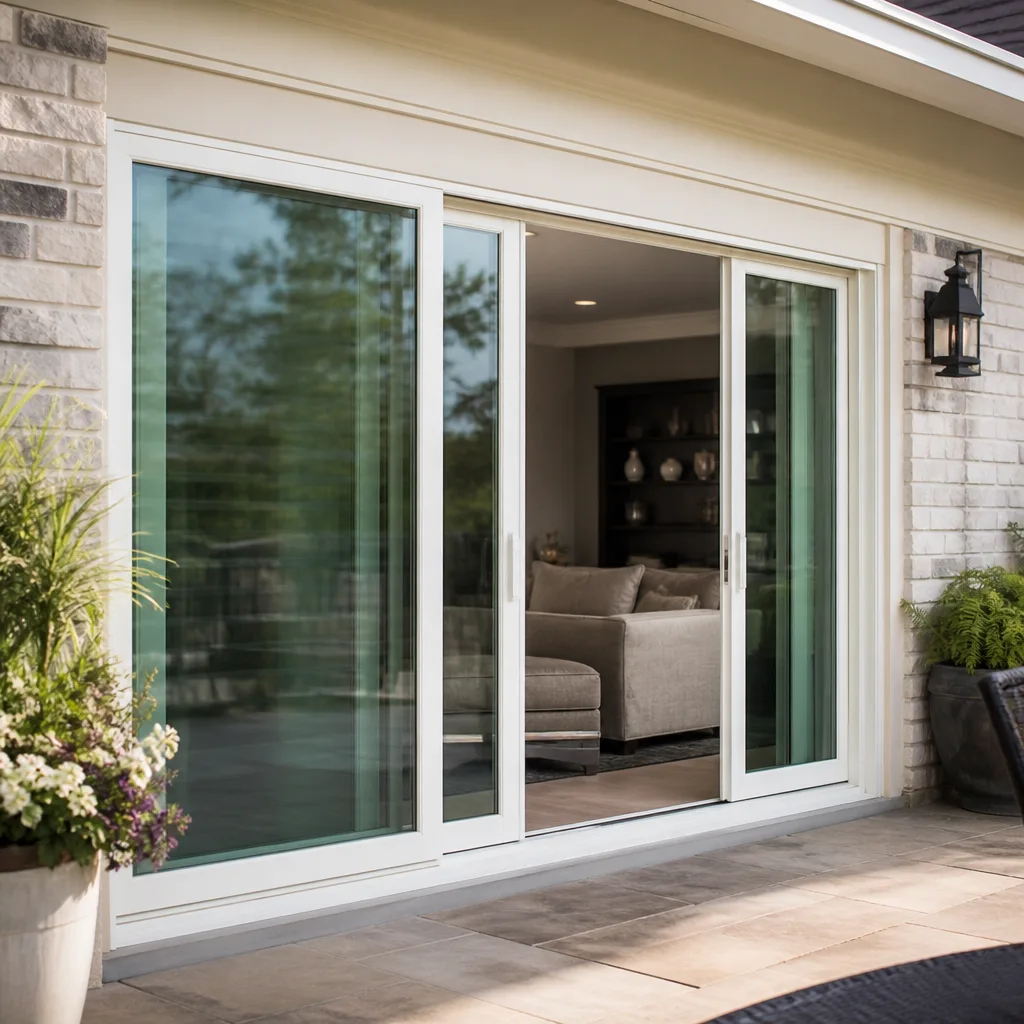 Sliding glass doors
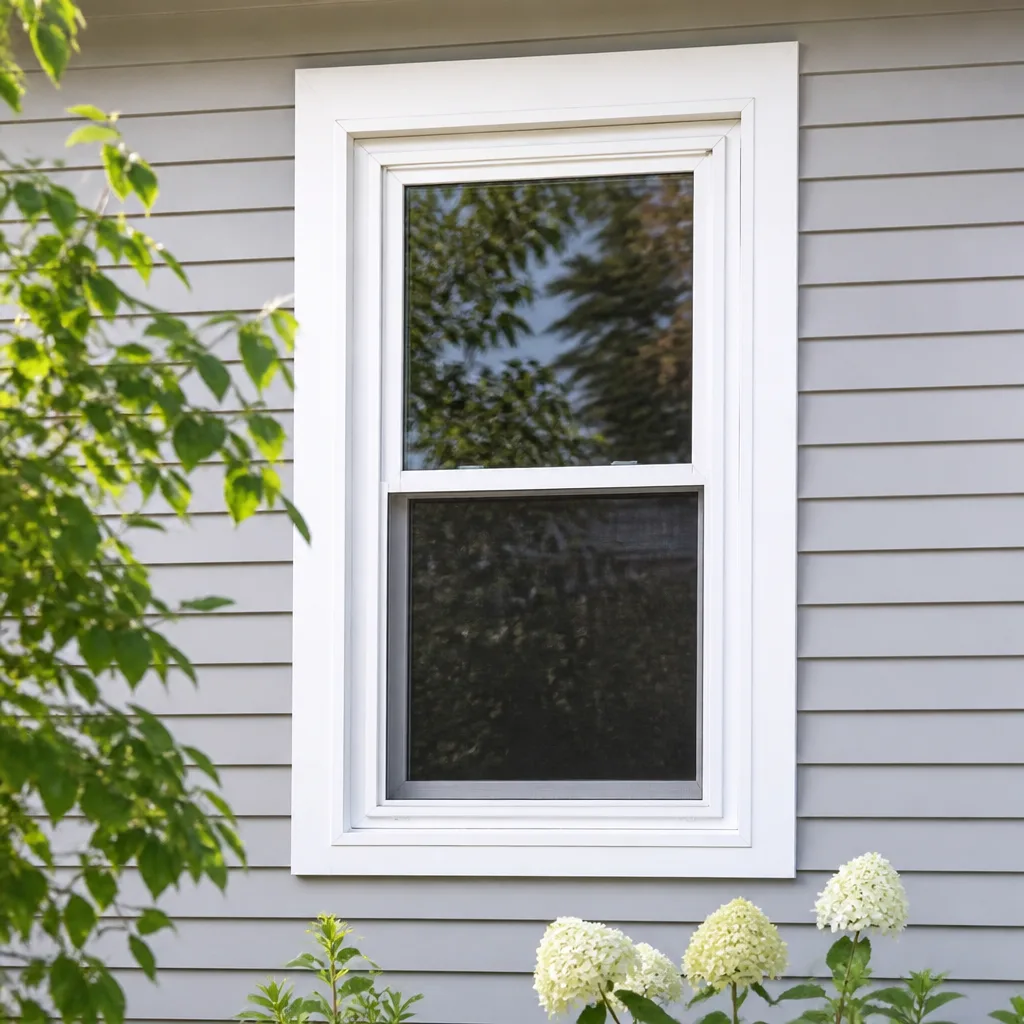 Single hung
 Double hung
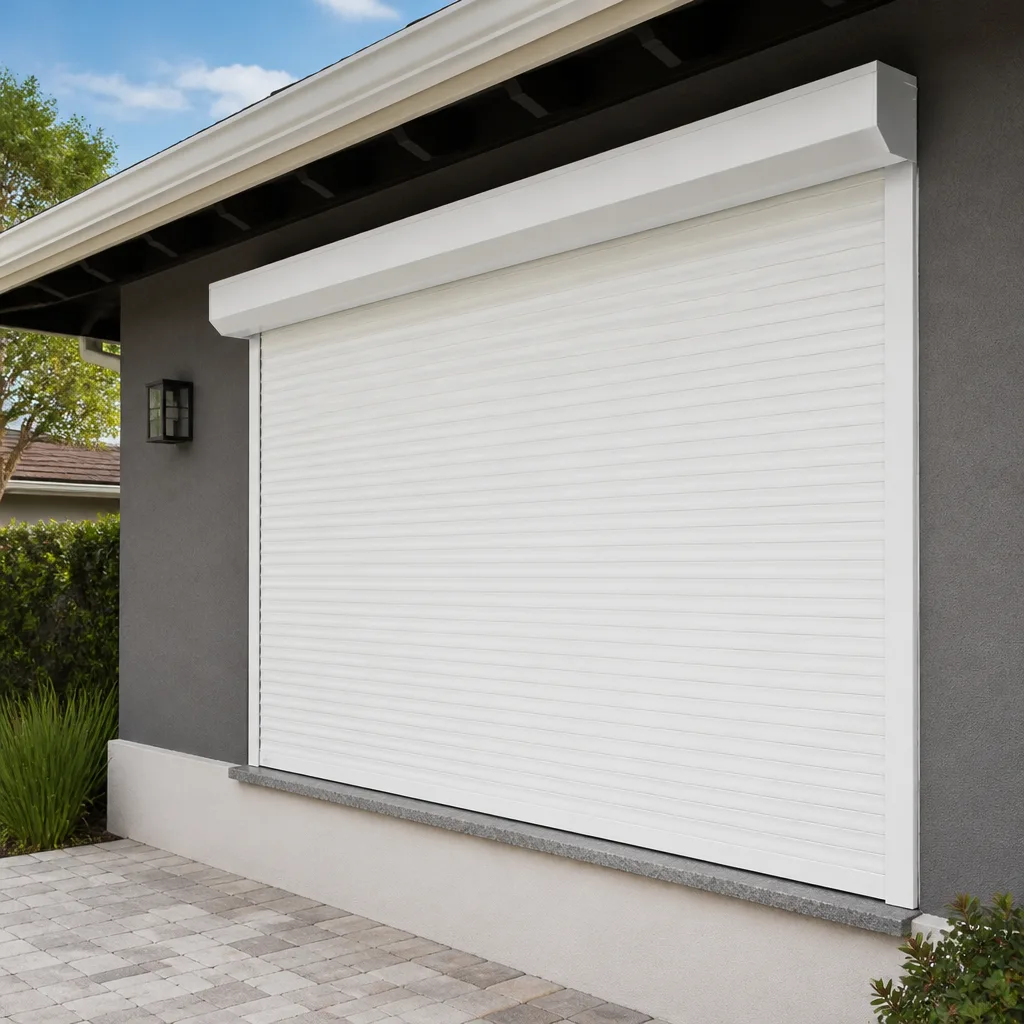 Horizontal roller
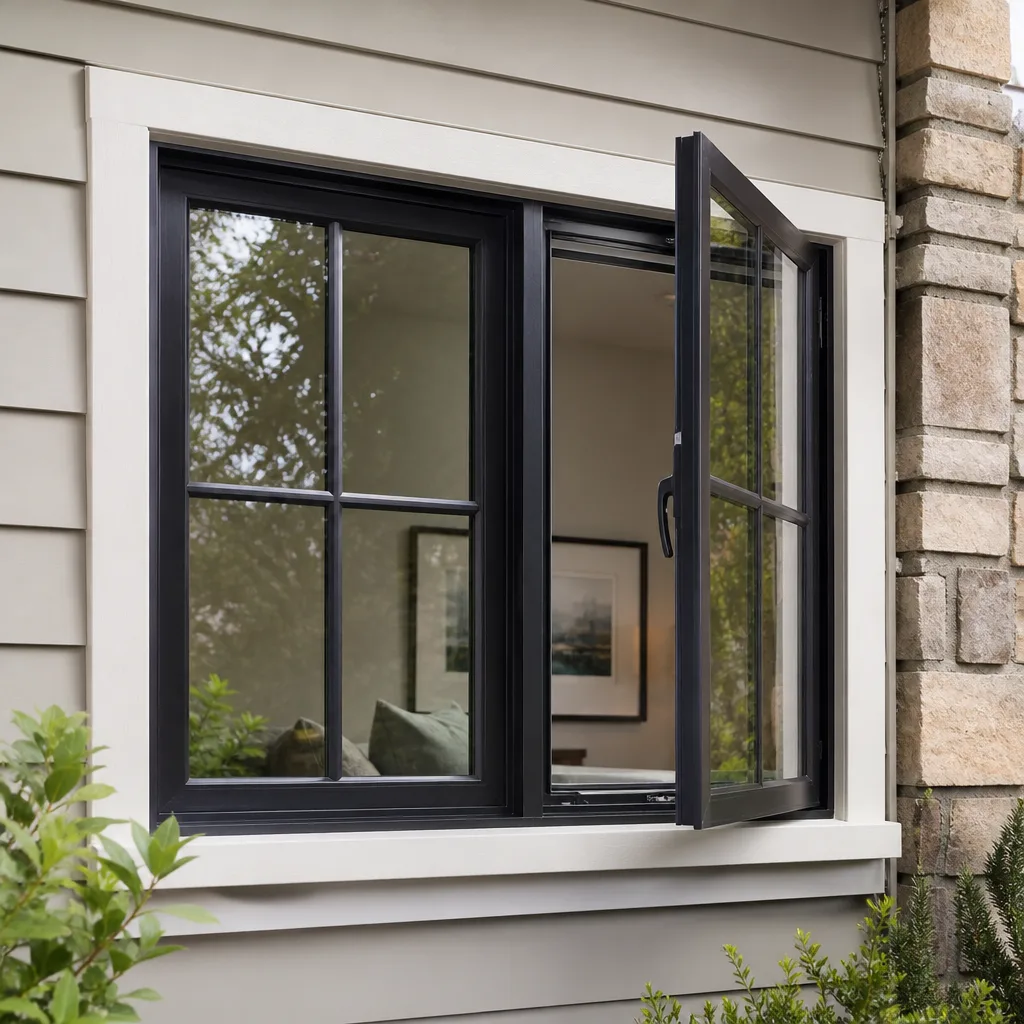 Casement
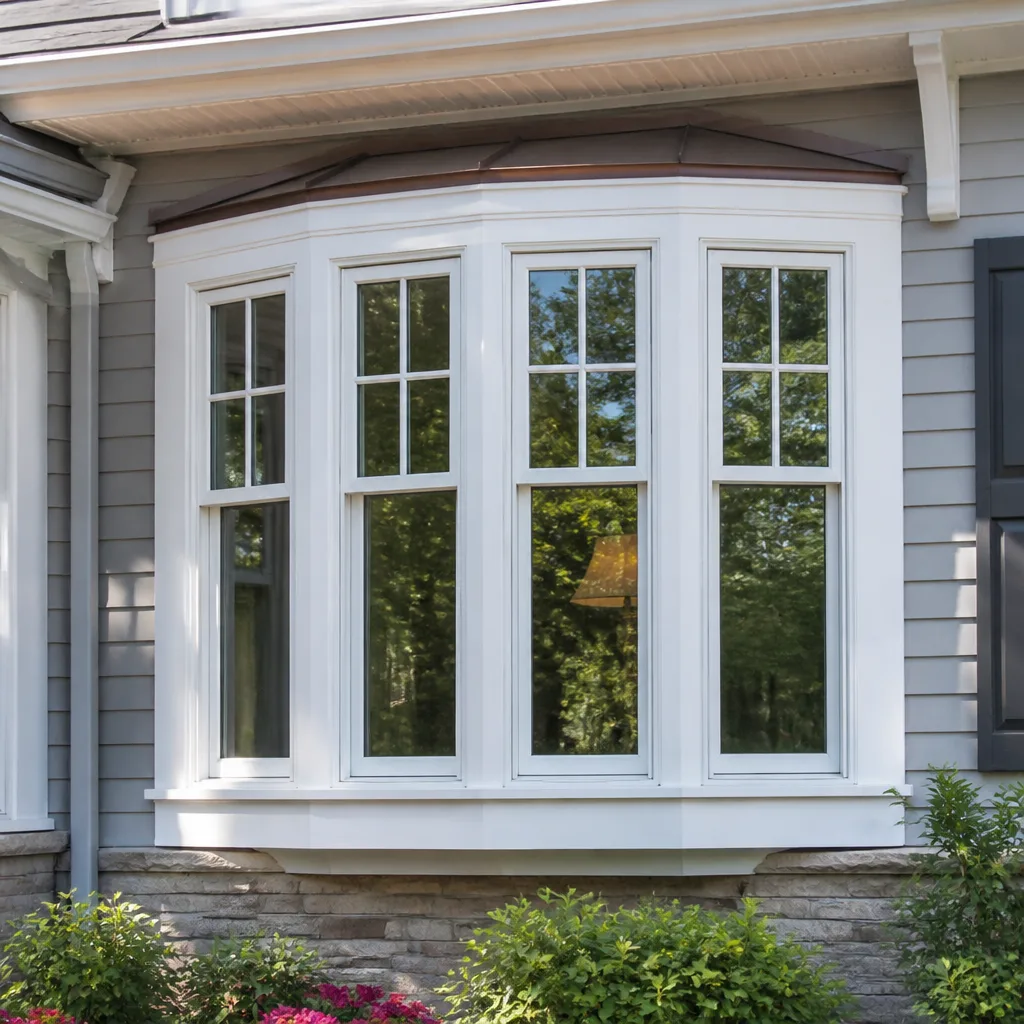 Bay & bow
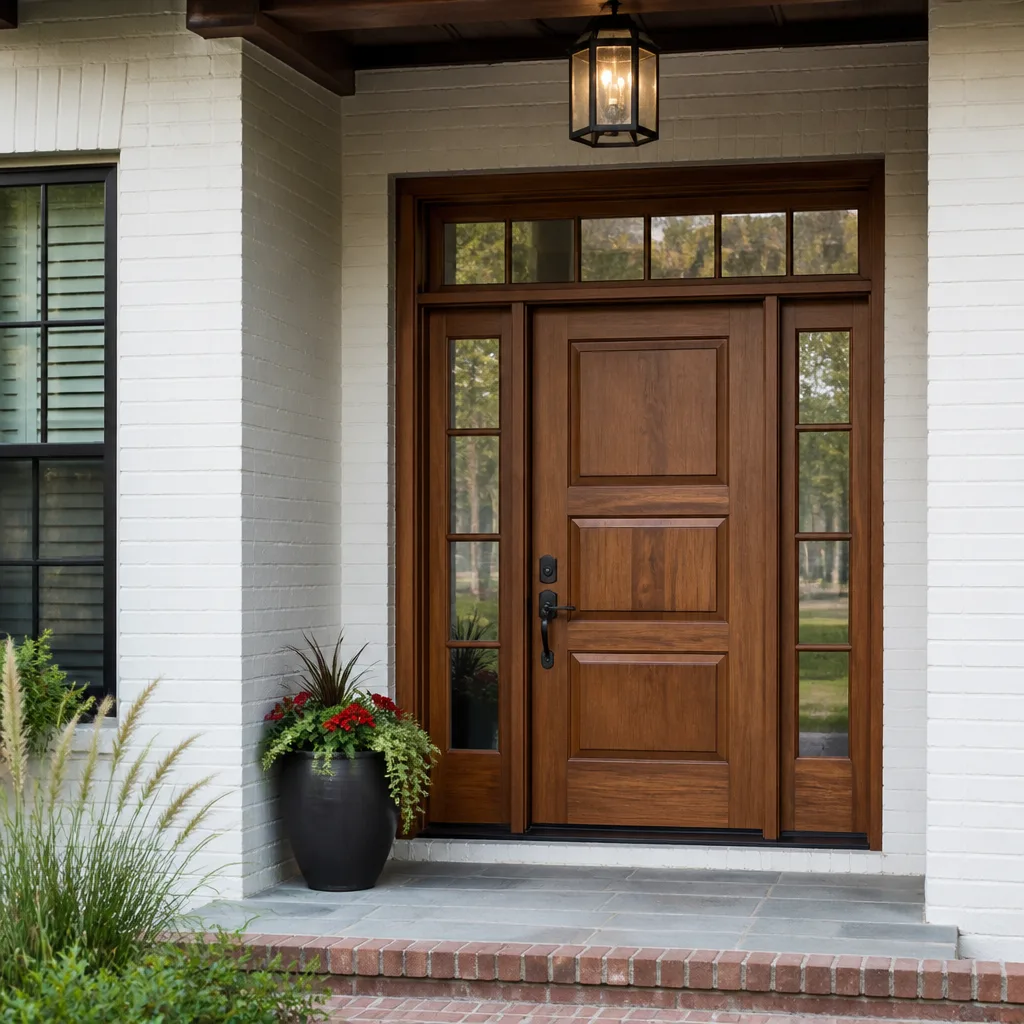 Entry doors
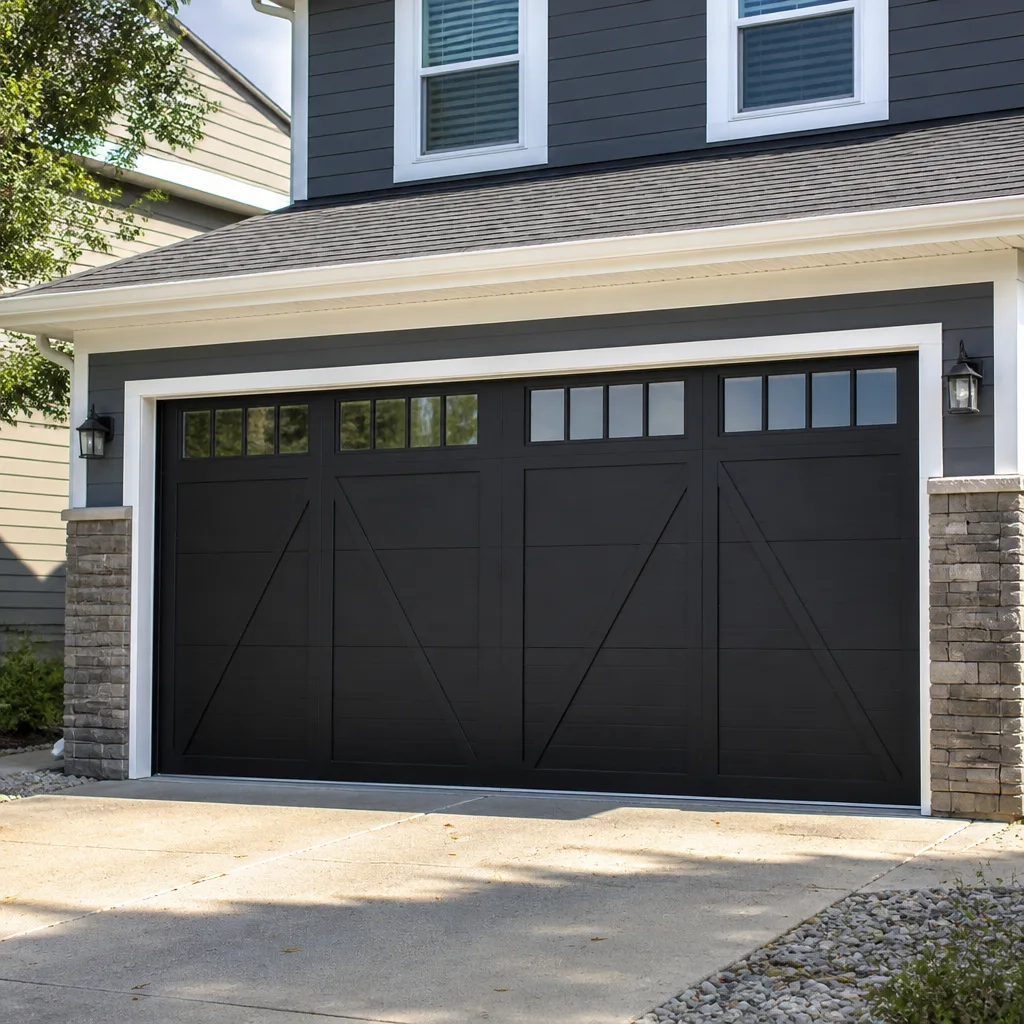 Impact garage doors
 PGT
 CGI
Free in-home measure and quote - PGT, CGI and CWS impact lines compared on your actual openings, style by style
Get your free estimateSeasonal Windows & Doors Care for Winchester: Year-Round Homeowner’s Guide
Most window warranty booklets carry the same maintenance advice, and most of it was written for a humid continental climate with ice dams, freeze-thaw cycles, and snow load. Apply that advice literally in Winchester and you’ll spend your energy on problems you don’t have while overlooking the two months when your windows and doors actually take the worst abuse. July and August in this valley are the real stress test, not January. Thermal extremes, monsoon-season moisture, and dust that never really stops moving do more damage to frames, seals, and hardware here than cold ever will. What follows is a care calendar built for the desert valley, not the Northeast: what to check before summer, before monsoon, before the first cold snap, and through the dust season in between. By the end you’ll know what to inspect yourself and when to bring in a specialist.
Styles & brands we work with
- Single hung
- Double hung
- Horizontal roller
- Casement
- Bay & bow
- Sliding glass doors
- Entry doors
- Impact garage doors
- PGT
- CGI
Quick Answer
Windows and doors in Winchester need four seasonal checkpoints: a pre-summer inspection of solar heat gain and screen integrity before 110°F days arrive, a monsoon-season check of drainage channels, door sweeps, and frame sealant in June, hardware lubrication in fall before temperature swings cause metal contraction and binding, and winter attention to low-humidity conditions that crack untreated composite frames. Year-round, keep window tracks and door hardware clear of desert dust. Annual hardware lubrication twice a year extends door life more than any other single task.
Table of Contents
- Why Winchester’s Climate Demands a Different Care Calendar
- The Pre-Summer Inspection: Before the 110°F Days
- Monsoon Prep: Drainage, Sweeps, and Frame Sealant
- The Fall Transition: Hardware Lubrication and Metal Contraction
- Winter Care: Cold Nights and Low Humidity
- Year-Round Dust Management for Tracks and Hardware
- The Winchester Seasonal Care Table
- Common Mistakes to Avoid
- When to Call a Professional
- Frequently Asked Questions
Why Winchester’s Climate Demands a Different Care Calendar
Winchester sits in a desert valley, and the four seasons here don’t behave the way the manufacturer’s warranty booklet assumes they do. Summer afternoons routinely push past 110°F. Monsoon months bring sudden, heavy rain that falls faster than the ground can absorb it. Winter nights drop well below freezing while daytime highs can still climb into the fifties or sixties. Dust hangs in the air most of the year and settles into every track and threshold.
That combination puts stress on windows and doors in ways a northern climate guide never addresses. Ice and freeze-thaw damage, so common back east, is far less of a concern in Winchester. What matters here is thermal cycling on an extreme scale: expansion during a 110°F afternoon, contraction overnight when the desert cools quickly after sunset. Every component has to move with that cycle. Seals, glazing, frame joints, and hardware all take the strain.
Solar heat gain matters just as much in winter as it does in summer. In a desert climate, the right glazing can keep summer heat out and let low winter sun in. That’s why a pre-summer inspection should include a look at which windows face west and south, where the afternoon sun lands hardest. The same window can be part of the solution or part of the problem depending on how its coating and gas fill perform. Eight manufacturer lines give enough range to match glazing to orientation; ViewLux and CWS energy-efficient lines are worth discussing when a room runs hot no matter what you do with the blinds. The right product for your home depends on which side of the house the window is on, not on which model sells fastest. If a window is failing its performance job, window replacement is the fix, and the care calendar below only delays the inevitable.
The Pre-Summer Inspection: Before the 110°F Days
Walk the house in May, before the first stretch of triple-digit days. The goal is to catch small failures while they’re small: a screen with a weak corner, a threshold seal that’s starting to lift, a sliding window that’s stiff in its track. Once afternoon temperatures hold above 110°F, a lot of repair work becomes harder to schedule and less comfortable to do.
Solar heat gain check. Pay attention to how each room feels on a warm afternoon and whether your cooling costs track with one side of the house. Windows that feel noticeably warm to the touch on a spring afternoon are the ones that will radiate heat all summer. If a window’s solar heat gain coefficient isn’t doing its job, no amount of seasonal cleaning will fix it.
- Screen integrity: Run a hand around each screen frame and look for pulled splines, sagging mesh, or small punctures. Monsoon winds will find those weak spots and push dust through them.
- Threshold seals: Check the seal under every exterior door and around every operable window. If daylight shows through when the door is closed, hot air and dust are getting in.
- Operable windows: Open and close each one fully. A window that’s getting stiff in spring will bind harder in summer heat.
- Glazing check: Look for fogging between panes, which signals a failed seal and lost gas fill. That window is no longer insulating, no matter what the label says.
- Hardware: Test locks and cranks on every window. A lock that’s hard to turn now may not turn at all after months of thermal cycling.
- Frame joints: Inspect the corners where frame sections join. Small gaps visible in spring tend to widen through summer.
Anything on that list that looks borderline in May is worth resolving before June. Experienced technicians can tell a window that just needs adjustment from one that’s lost its performance seal and should be replaced. Our technicians have up to 14 years of experience across the product lines in the trade, and a pre-summer visit often prevents a July service call.
Monsoon Prep: Drainage, Sweeps, and Frame Sealant
Monsoon season in Winchester means flash flooding risk, and the last thing you want during a heavy rain event is water finding a way inside through a window or door. The prep window is June, before the first real storms arrive. Drainage is the priority, followed by door sweeps and sealant.
Drainage channel cleaning. Sliding windows and sliding patio doors have weep holes and drainage channels that let water escape instead of pooling. Dust accumulates in those channels all year, and once they’re blocked, water during a monsoon downpour can back up into the sill. A soft brush and low-pressure water usually clears them.
Door sweep inspection. The sweep is the flexible strip along the bottom of an exterior door. It takes the most punishment of any door component in a desert climate: dust grinding against it, heat making it brittle, thermal cycling pulling it away from the door. Test it by closing the door on a piece of paper; if the paper slides out easily, the sweep has lost its seal.
Frame sealant checks. The caulk line where the exterior frame meets the wall is the last defense against wind-driven rain. Look for cracks, gaps, or caulk that’s pulled away. Pay particular attention to the windward side of the house, which takes the brunt of monsoon gusts.
- Clear weep holes on every sliding window and patio door before June.
- Inspect exterior caulk lines for cracks and re-seal any gap.
- Check that the door sweep compresses against the threshold across its full width.
- Look for water staining or bubbling paint around windows, which indicates past moisture entry.
- Verify that exterior window trim is tight and hasn’t pulled away from the wall.
- Clear debris from the base of any exterior door where water might collect.
If you find a window or door that’s already leaking in monsoon season, the wisest move is to get it looked at before the next storm. The same applies to a door that’s developed sag or drag from monsoon-season humidity swings.
The Fall Transition: Hardware Lubrication and Metal Contraction
Fall is the quiet season in Winchester, and it’s the best window for getting ahead of winter problems. The main shift comes from temperature swings: a daytime high in the seventies dropping to near freezing overnight. Metal hardware contracts overnight and expands again the next day. If hinges, locks, and strike plates are dry, that contraction can cause binding that gets worse through the winter.
Hardware lubrication. Work every lock, hinge, latch, and crank with a light lubricant built for door and window hardware. Dry graphite is a good choice for locks because it doesn’t attract dust the way some oils do; a silicone lubricant is a safe bet for hinges and sliding tracks. Wipe off excess so it doesn’t become a dust magnet.
Binding test. After lubricating, open and close every window and door. A door that used to close smoothly and now catches on the strike plate is showing the early effects of contraction. Adjusting the strike plate now is a small job; waiting until it’s cold and the door won’t latch is a bigger one.
Weatherstripping check. Run a hand along the edges of every exterior door and window. Any spot where you can feel air moving needs new weatherstripping before winter lows put pressure on the building envelope. Therma-Tru fiberglass entry systems hold up well through thermal cycling, but even a solid door needs its weatherstrip refreshed periodically.
- Lubricate every lock cylinder and the strike plates with dry graphite.
- Apply a light silicone lubricant to hinges and sliding tracks.
- Test every door and window for binding and adjust as needed.
- Inspect and replace worn weatherstripping.
- Check the threshold for gaps at the corners where the sweep meets the jamb.
- Verify that exterior door hinges are tight and the door hangs square.
Winter Care: Cold Nights and Low Humidity
Winchester winters are hard on frames for a reason less obvious than cold: low humidity. Desert air in winter can be extremely dry, and wood or wood-composite frames lose moisture and shrink slightly. Where a composite or wood frame is unfinished or has a worn finish, that shrinking causes small cracks to open, especially where two frame sections meet or where hardware is mounted.
Frame condition check. Inspect every wood or wood-composite frame (interior and exterior) for cracking, splitting, or a finish that’s worn away. Where the finish is gone, water has a way in the next time it rains. A light sanding and a fresh coat of appropriate finish on the exposed wood keeps those frames sealed through the dry months. Composite and vinyl frames need less attention here, but still benefit from a check.
Condensation watch. Cold nights and warm interior air can produce condensation on the interior glass. A small amount at the bottom of the glass is normal. Condensation between the panes means a failed seal and a lost gas fill, and that window should be assessed for replacement. Persistent condensation across the whole pane suggests indoor humidity is running high, which is worth addressing separately.
Door adjustment. Exterior doors may need a small adjustment in winter as frames contract. If a door sticks or drafts, check the strike plate and hinges before assuming the door needs replacement. A simple adjustment is often all that’s required.
- Inspect and refinish any wood or wood-composite frame with worn finish.
- Watch for condensation between panes, which indicates a seal failure.
- Check exterior doors for drafts at the threshold, sides, and top.
- Adjust strike plates and hinges if a door binds as frames contract.
- Verify weatherstripping is still pliable and not cracked from summer heat.
Year-Round Dust Management for Tracks and Hardware
Dust is a constant in Winchester. It’s on the wind most of the year, and it settles into window tracks, door thresholds, and hardware whether the windows are open or not. Left alone, dust acts like sandpaper against sliding windows and door sweeps, wearing down the moving parts faster than temperature alone would.
Window tracks. Vacuum the tracks with a brush attachment, then wipe down with a barely damp cloth. Avoid spraying water directly into tracks; you want to lift the dust out, not push it into the weep holes. A monthly clean during dust-heavy months keeps sliding windows operating smoothly.
Door hardware. Dust collects around door handles, hinges, and strike plates. A quick wipe with a dry cloth every few weeks keeps it from working into the moving parts. Lock cylinders should be re-lubricated periodically because dust will eventually absorb the graphite.
Thresholds and sweeps. The door sweep is where dust entering from outside fine-tunes its way into the house. If a sweep is dirty, it doesn’t seal as well. Wipe it down and check for embedded grit that could cut into the material.
Screens. Dust builds up on screen mesh and blocks airflow. Rinse screens gently from the inside out with a garden hose attachment. Never scrub with a brush; that pushes dust into the mesh.
If the interior of the house is consistently dusty despite clean tracks and sealed doors, it’s worth having a professional look at the door sweeps and the seal around exterior frames. In our experience, a door that appears to close fully can still pass fine dust around the corners where the sweep doesn’t quite meet the jamb. That’s a small installation issue with a big quality-of-life payoff when it’s corrected.
The Winchester Seasonal Care Table
Here’s the whole calendar at a glance, ordered by the month each task is best done. Treat the months as windows of opportunity, not hard deadlines. A task done a couple of weeks late is far better than one skipped for the year.
- March – April: Pre-summer inspection – check screens, seals, operable windows, glazing, and hardware. Note any window that’s lost its seal.
- May: Finish any repair work needed on screens, thresholds, and frames before the first triple-digit days.
- June: Monsoon prep – clear drainage channels and weep holes, inspect door sweeps, check exterior caulk lines.
- July – September: Monitor during monsoon season – address water intrusion immediately, keep an eye on door binding.
- October: Fall transition – lubricate all hardware, test for binding, inspect and refresh weatherstripping.
- November – December: Winter prep – check frame finishes, watch for inter-pane condensation, adjust any binding doors.
- January – February: Low-humidity checks – refinish worn wood or composite frames, watch interior condensation.
- Year-round: Dust management – clear window tracks monthly, wipe door hardware, rinse screens, keep sweeps clean.
Common Mistakes to Avoid
- Following northern-climate advice too literally and skipping monsoon prep. A guide written for a humid continental climate spends its time on ice dams and snow load. Winchester’s real threat is wind-driven rain in July, which most booklets barely mention. Build monsoon prep into your calendar.
- Cleaning drainage channels with high-pressure water. A pressure washer can damage the weep hole system and push water past the sill. Low-pressure rinsing and a soft brush do the job without risk.
- Using oil-based lubricants on window hardware. Any oil that stays sticky attracts dust, and dust in the desert turns it into a grinding paste. Dry graphite for locks and silicone for hinges keep hardware clean and smooth.
- Ignoring dust because the windows look clean. The glass can be spotless while the tracks are packed with grit that’s wearing down the sliding mechanism. Dust is what the eye misses, and it’s what does the most subtle damage.
- Assuming a winter binding door means the door needs replacing. Thermal contraction is the most common cause of a door that’s suddenly hard to close in winter. An adjustment to the strike plate or hinges often fixes it entirely.
- Skipping the fall lubrication pass. Hardware left dry through fall, when temperature swings are widest, is where binding starts. Lubricating in October prevents problems that would otherwise show up in January.
- Doing repairs during peak heat. Screen and frame repairs done in July are harder to schedule and harder to do well. Move them to May, when a failed screen can be replaced without a technician working in triple-digit temperatures.
When to Call a Professional
Most of the tasks above are homeowner-grade: cleaning, lubrication, and routine visual inspection. A few scenarios call for a professional. Persistent water intrusion after a monsoon storm – especially if you’ve already cleared the drainage channels and sealed visible cracks – means water is getting in somewhere you can’t see. Fogging between panes on a sealed unit means the window has lost its gas fill and can’t be repaired by cleaning; it needs to be assessed for window installation. A door that hasn’t closed properly through fall or winter adjustments usually has an issue that’s beyond a strike-plate tweak. A frame crack that widens after refinishing suggests the frame is beyond routine care. And if you’re planning any significant renovation, having a specialist look at how the product will be installed matters as much as which brand you choose – a well-built product on a poor installation doesn’t perform.
Winchester Windows & Doors offers free estimates in Winchester. Call (844) 834-0211. We answer 24/7. Fast dispatch from 7am to 7pm, Sunday through Friday. We install only windows and doors, so our evaluation focuses entirely on those two categories rather than on a broader list of trades.
Frequently Asked Questions
Clean window tracks monthly during dust-heavy months and at least once in every season. Dust accumulates quickly in a desert valley, and dust in the tracks acts like sandpaper against sliding hardware. A quick vacuum with a brush attachment followed by a damp wipe is enough between deeper cleanings. If sliding windows start to feel stiff, the tracks likely need cleaning even if it hasn’t been a month. Call (844) 834-0211 if a window or door has become stiff or hard to operate and cleaning doesn’t fix it – estimates are free.
The summer heat is the biggest seasonal threat, not winter cold. Afternoon temperatures above 110°F put the most stress on seals, glazing, and frame joints, and the thermal cycling between a hot afternoon and a cooler desert night repeatedly stresses every component. Monsoon-season wind-driven rain is a close second. Winter matters mostly through low humidity, which dries out wood and composite frames. Build the care calendar around the summer, and the other seasons become easier to manage.
Yes – lubricate twice a year in Winchester, ideally in fall and spring. The temperature swings here cause metal components to expand and contract daily, which wears down any lubricant faster than a steady climate would. Dry graphite is the right choice for lock cylinders because it doesn’t hold dust. A light silicone lubricant works well on hinges and sliding tracks. Adding a mid-summer check during dust-heavy months is worth it too.
Your door sticks in winter because both the door and its frame contract as temperatures drop, changing the alignment of the door within the frame. This is normal thermal movement in a desert climate. The first fix is usually a small adjustment to the strike plate or the hinges. If the door has been adjusted before and still sticks, the hinge screws may be loose or the door may be out of square; at that point a professional evaluation is worth it.
Fogging between the panes means the sealed unit has lost its gas fill, and that window is no longer insulating the way it was designed to. Cleaning the glass won’t help, because the problem is inside the sealed unit. In some cases only the glass unit needs replacement; in others, the whole window is better replaced. That’s a conversation worth having with a professional who can compare options across product lines rather than push a single brand. Call (844) 834-0211 for a free estimate.
Repair first if the crack is small, limited to the finish, and the frame is otherwise sound. Refinishing and sealing often stops a small surface crack from spreading. Replace if the crack goes through the frame material, if it keeps reopening after repair, or if the window has other signs of failure like lost glazing seals or poor operation. A free estimate lets you compare the cost of repair against replacement honestly. Call (844) 834-0211 to talk through your options.
The Bottom Line
Winchester’s climate doesn’t reward the maintenance advice written for the Northeast. The stress points here are summer thermal extremes, monsoon-season flash flooding, and year-round desert dust, not ice and freeze-thaw. Build your care calendar around four checkpoints: a pre-summer inspection before the 110°F days, monsoon prep in June, hardware lubrication in fall before temperature swings cause binding, and winter attention to low-humidity frame cracks. Between those checkpoints, keep window tracks and door hardware clear of dust. Do the routine work yourself, and call a specialist when you see water intrusion, fogging between panes, or a door that no longer closes right. The right product for your home, installed to fit, outlasts any brand name on its own.
Whether you’re researching a replacement, planning an installation, or just want a clear picture of how your current windows and doors are holding up, our team at Winchester Windows & Doors can walk you through the options across eight manufacturer lines – PGT, CGI, CWS, ES Windows, ECO Window Systems, Mr-Glass, Therma-Tru, and ViewLux – and help you compare what’s worth repairing and what’s worth replacing. We install only windows and doors, so every recommendation is specific to those two categories. Call (844) 834-0211 for a free estimate. We answer 24/7. Fast dispatch from 7am to 7pm, Sunday through Friday.
Written by the team at Winchester Windows & Doors.
See the difference
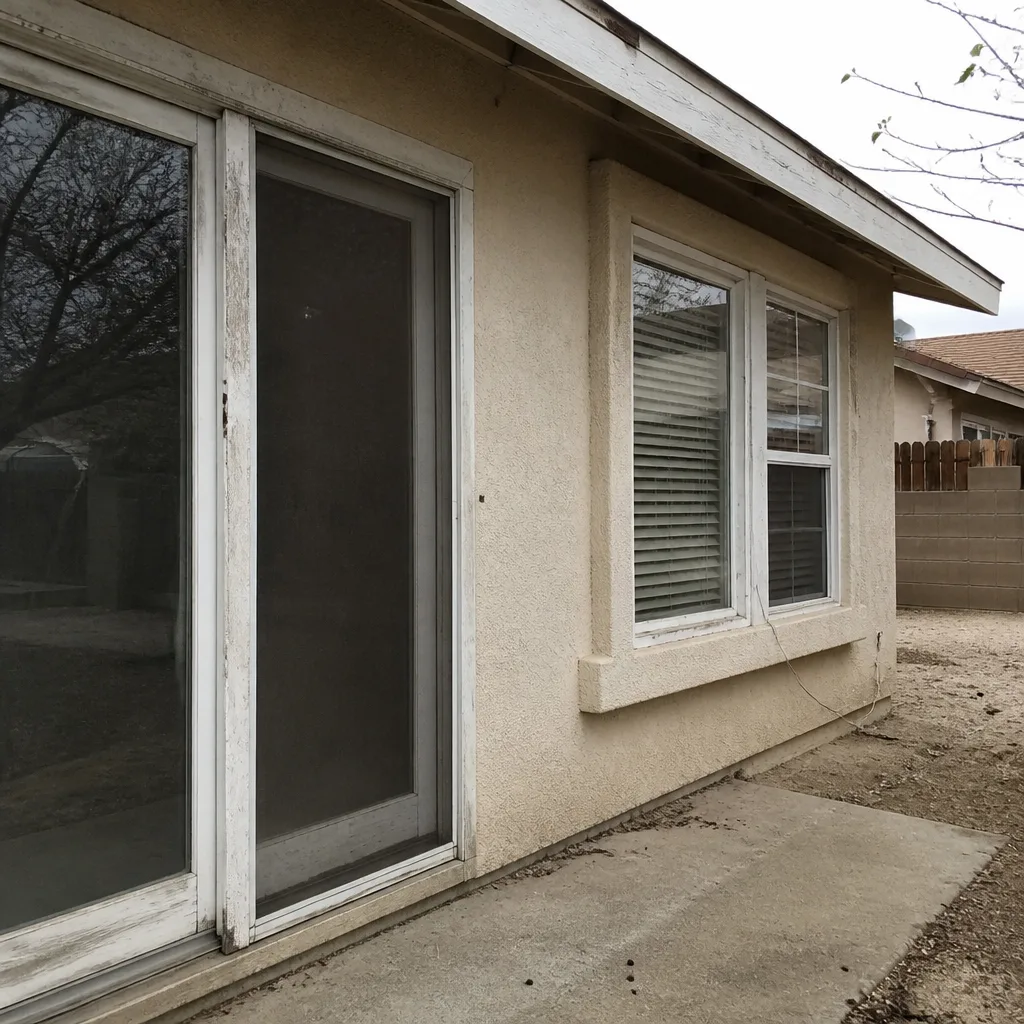 Before
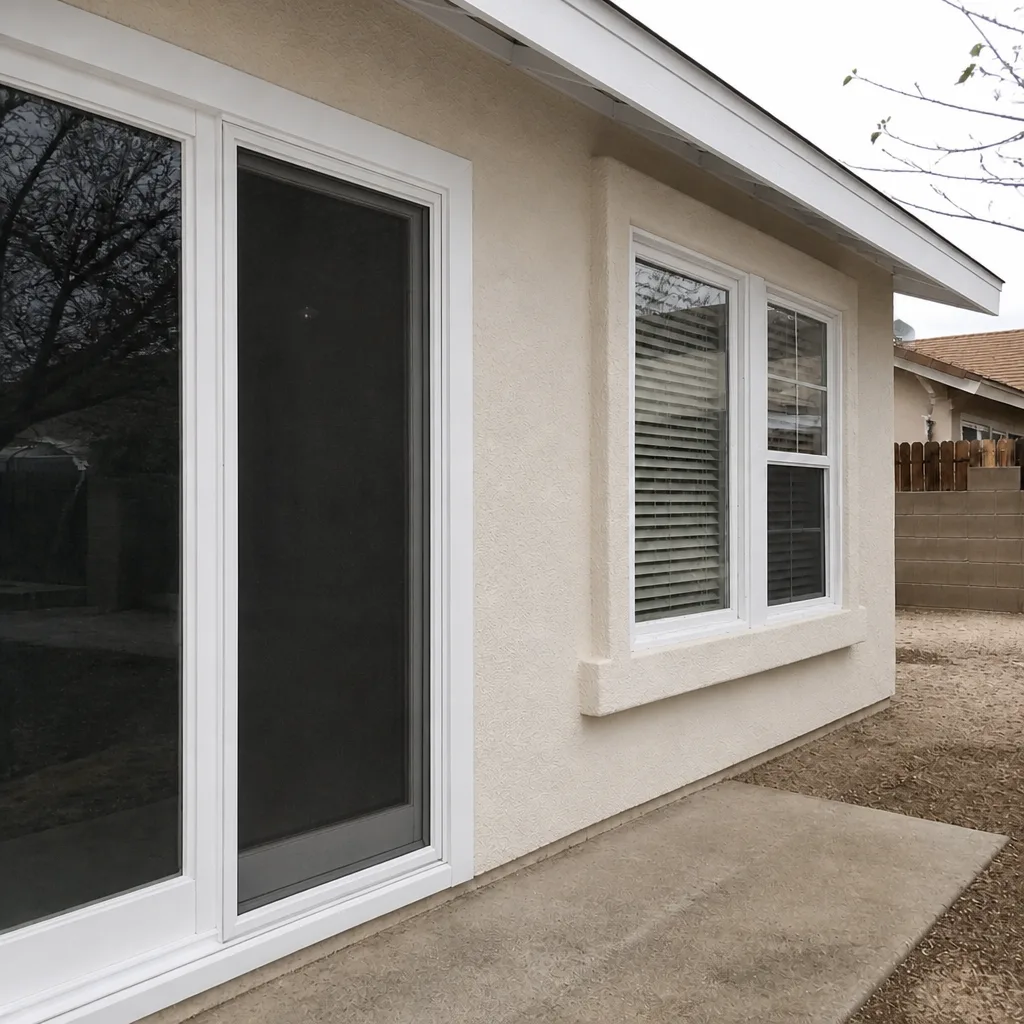 After
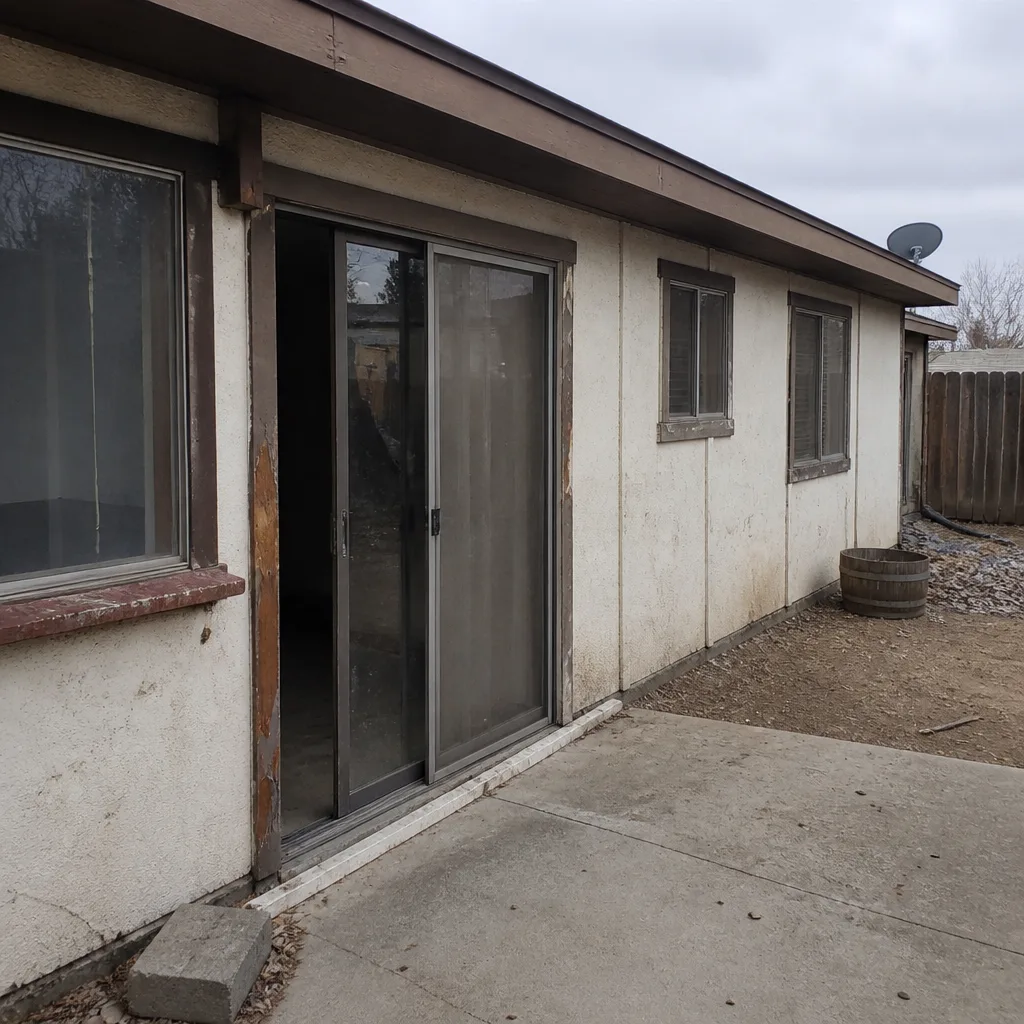 Before
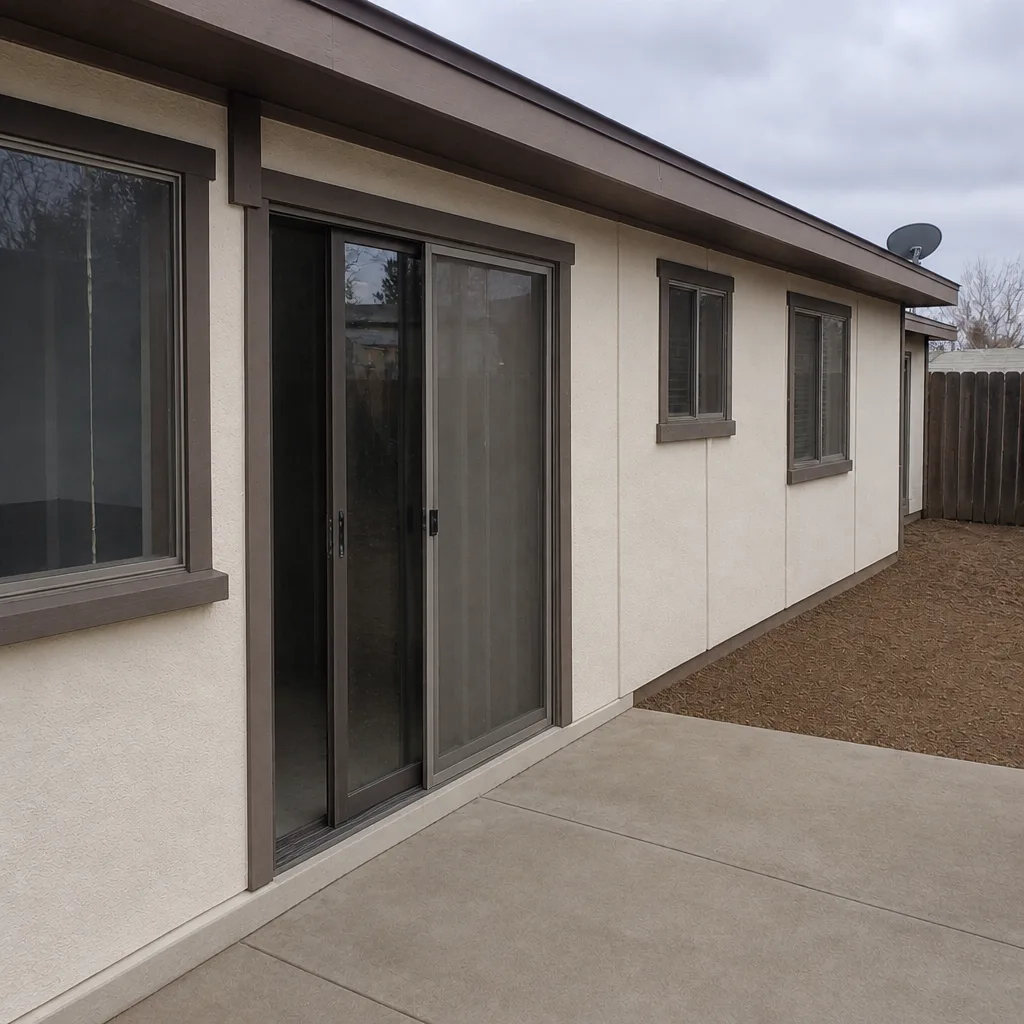 After
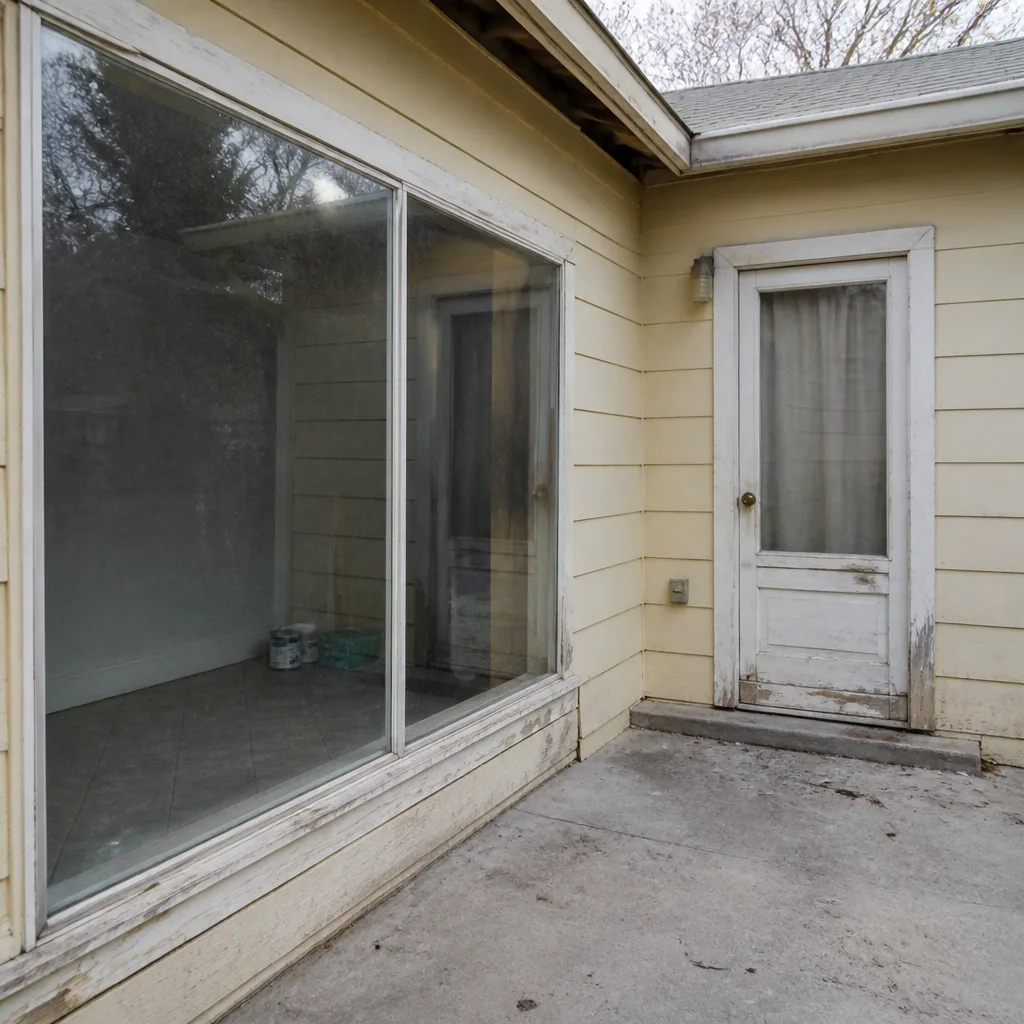 Before
 After