Last updated November 17, 2026
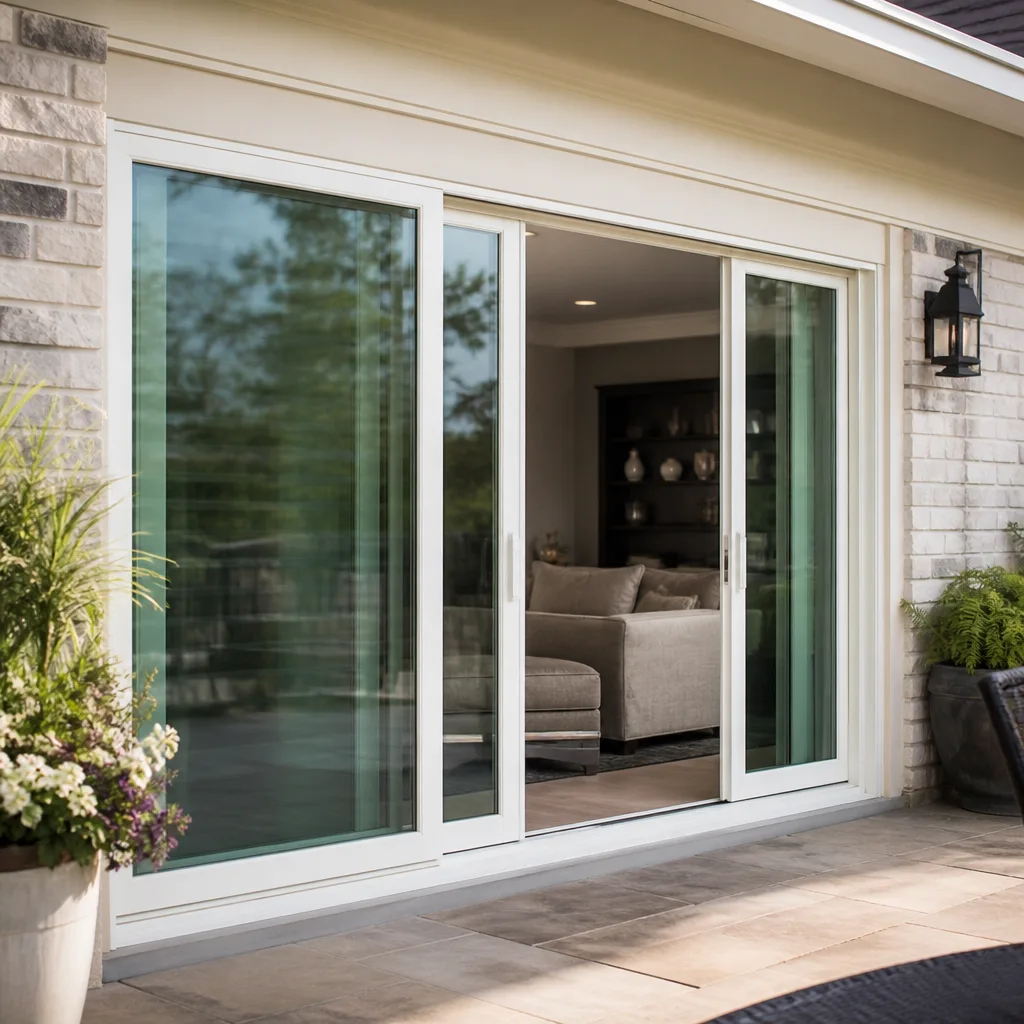 Sliding glass doors
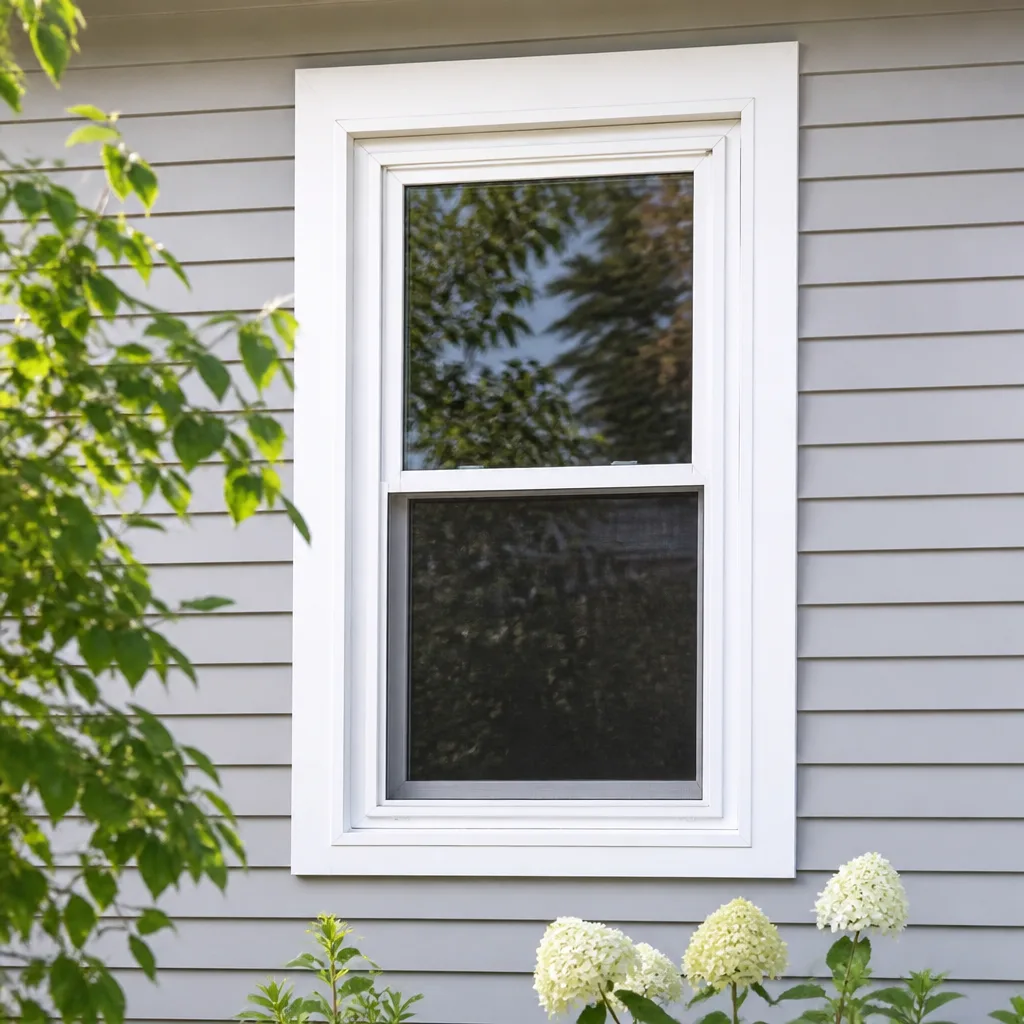 Single hung
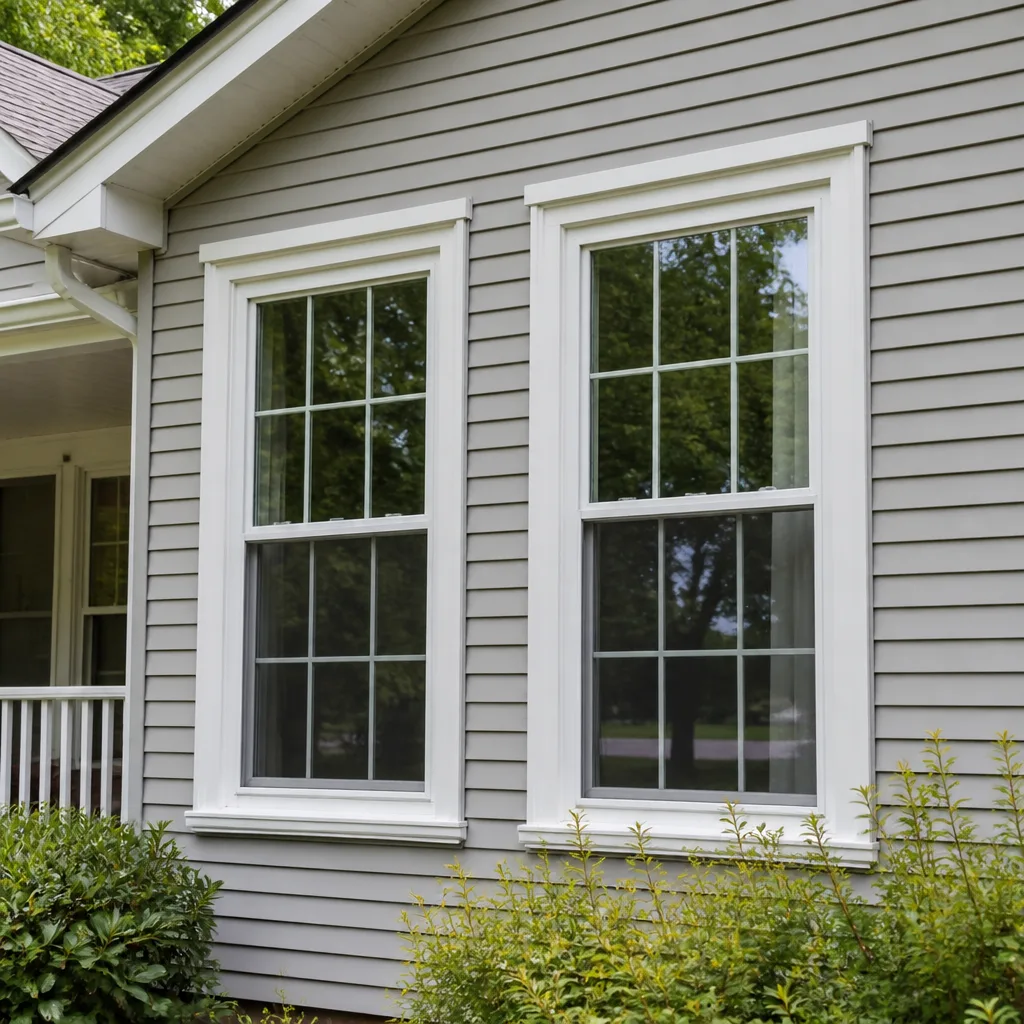 Double hung
 Horizontal roller
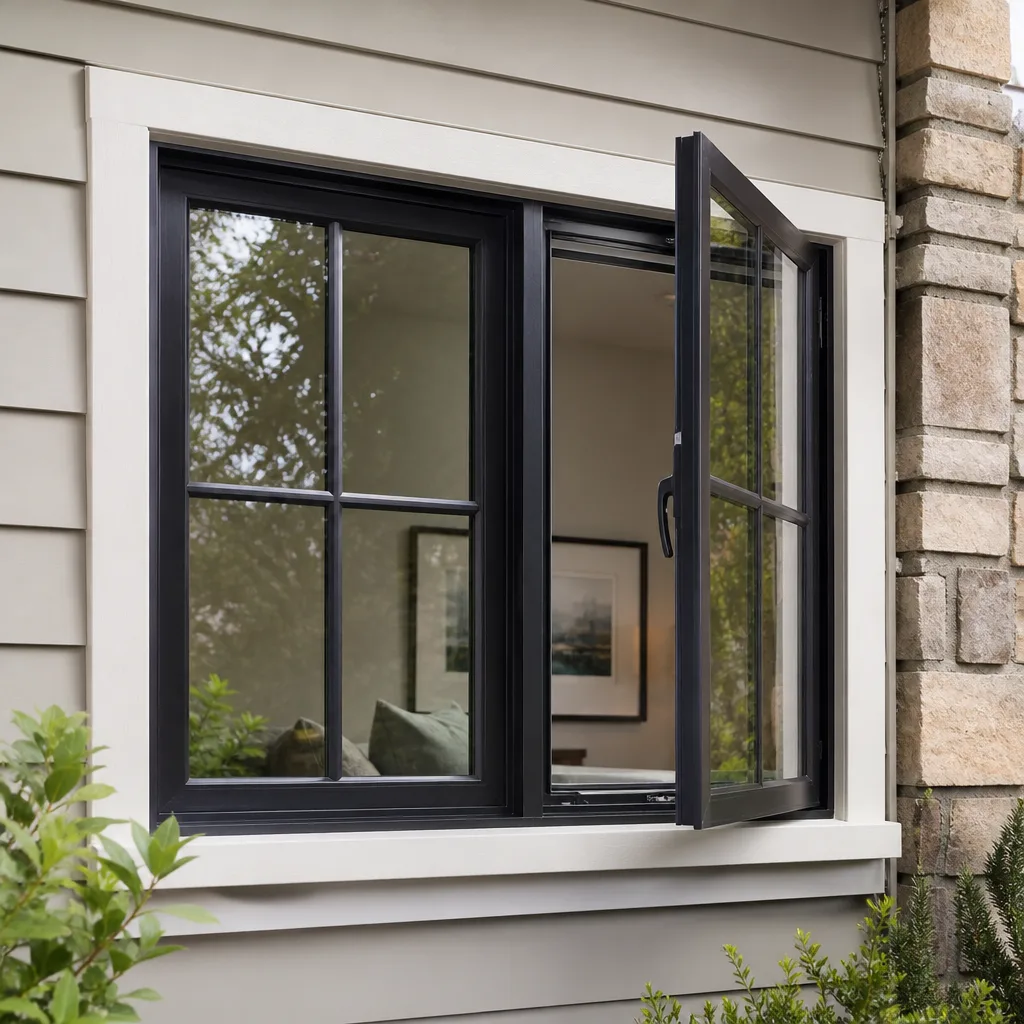 Casement
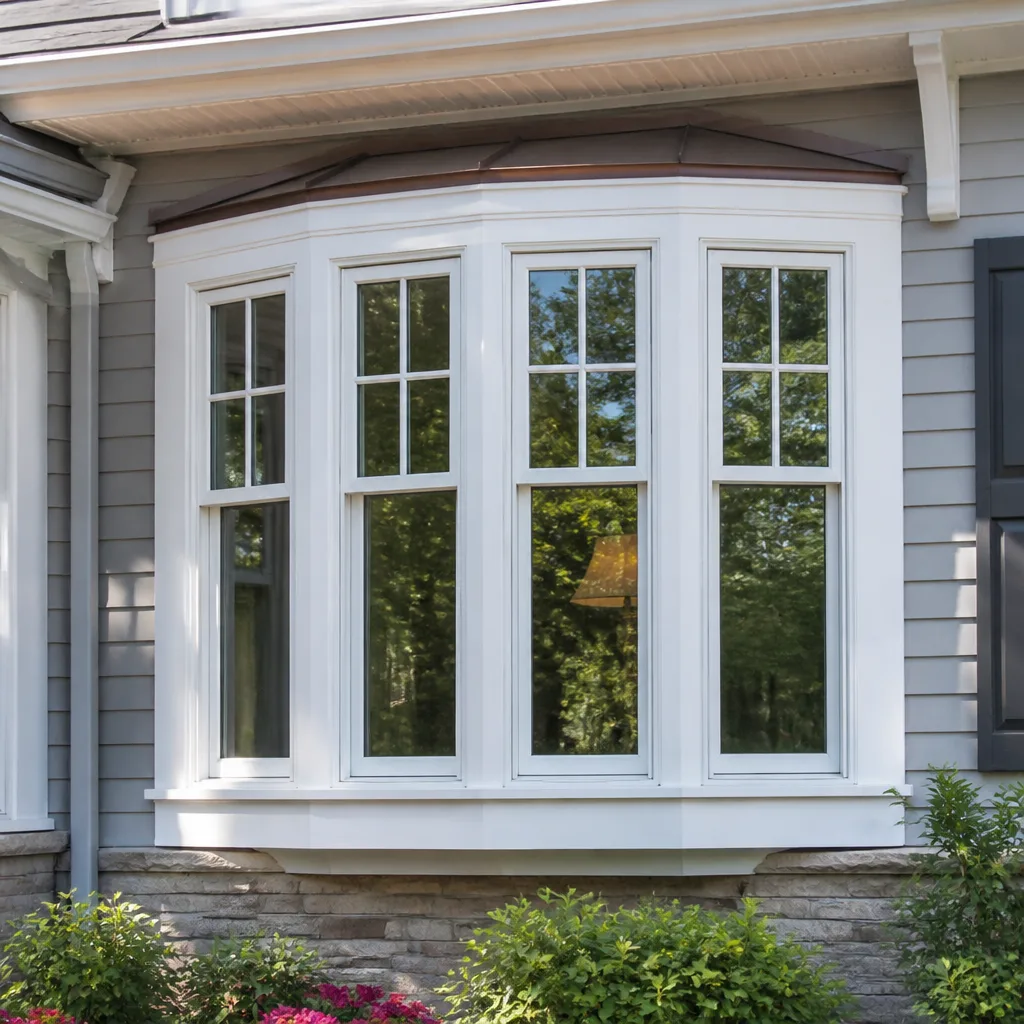 Bay & bow
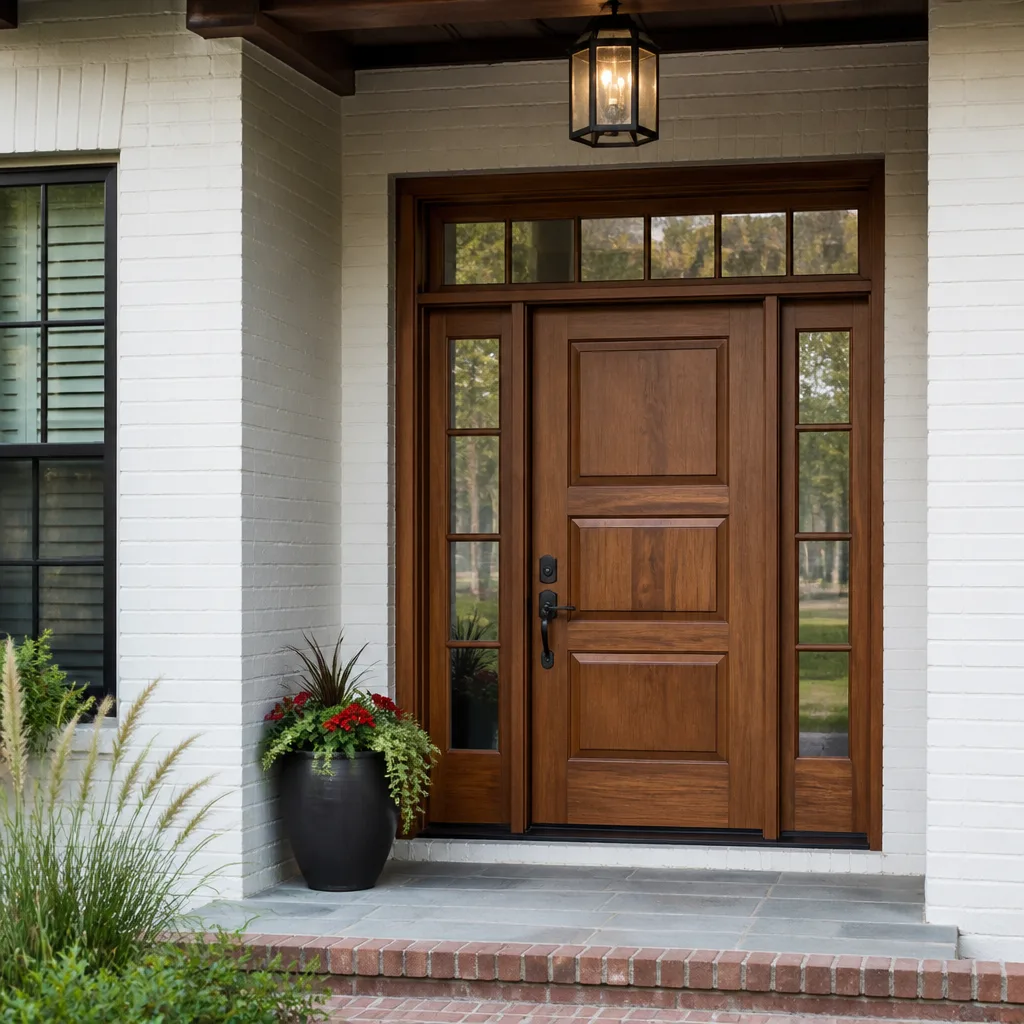 Entry doors
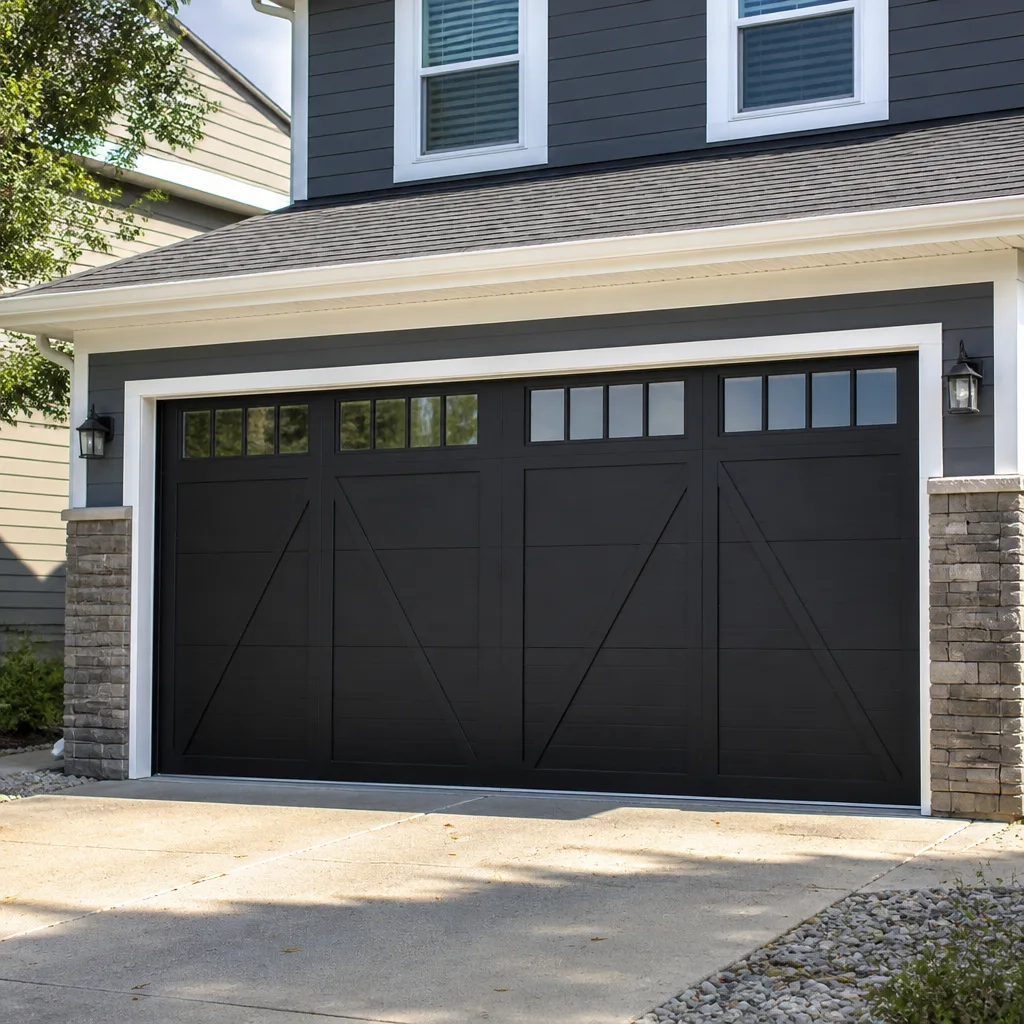 Impact garage doors
 PGT
 CGI
Free in-home measure and quote - PGT, CGI and CWS impact lines compared on your actual openings, style by style
Get your free estimateWindows & Doors Warning Signs: A Winchester Homeowner’s Reference Guide
Most warning-sign checklists tell you to call a contractor once you can already feel the draft. By then, the window or door has been failing quietly for months, and you’ve already paid the energy penalty for it. Here’s the part that catches Winchester homeowners out: a failed insulated glass unit doesn’t fog up overnight. The seal typically degrades over 6 to 18 months, and in our dry desert air that classic fogging phase may never arrive at all. This guide walks you through the early-stage indicators you can catch in a 20-minute walkthrough, the operational symptoms that vary by window type, and where cosmetic wear ends and structural failure begins.
Quick Answer
The earliest warning signs of window and door failure in Winchester are quiet ones: glass that looks slightly hazy or discolored rather than fogged, casements that bind mid-swing, double-hung sashes that drift shut on their own, sliders that need two hands, and energy bills that climb while the house feels the same. Visible damage usually confirms a failure you could have caught months earlier. Check glass clarity, operation, seals, and thresholds on a yearly walkthrough rather than waiting for a draft you can feel.
Styles & brands we work with
- Single hung
- Double hung
- Horizontal roller
- Casement
- Bay & bow
- Sliding glass doors
- Entry doors
- Impact garage doors
- PGT
- CGI
Table of Contents
- How to Spot IGU Seal Failure in Winchester’s Dry Air
- Operational Warning Signs by Window Type
- Door Warning Signs Homeowners Blame on Foundation Settling
- Reading Your Energy Bill for Window Performance Loss
- Cosmetic Damage vs. Structural Failure: Photo-Based Decision Criteria
- Your 20-Minute Walkthrough Checklist
- Repair or Replace? How to Decide
- Common Mistakes to Avoid
How to Spot IGU Seal Failure in Winchester’s Dry Air
An insulated glass unit is two panes sealed around a dry gas or air gap. When that perimeter seal fails, moisture gets in. In humid climates, the result is the classic milky fog between the panes. In Winchester, the air is so dry most of the year that the moisture often never condenses. The seal can be gone for a full season with nothing obvious to see.
That’s why Winchester homeowners need to look at the glass differently than a coastal homeowner would. Here’s what to check:
- Color shift: hold a white sheet of paper behind the glass at eye level. A failing unit often reads slightly gray, yellow, or bronze against it. Compare panes side by side if you can; the difference between a healthy unit and a failed one is usually obvious in a matched pair.
- Etched or wavy film: a permanent film on the inside of the glass that doesn’t wipe off points to seal failure that’s been progressing for a while.
- Bluish or rainbow sheen: often a sign the low-E coating has been compromised by moisture sitting against it.
- Faint streaking or mottling near the edges: the seal perimeter is where failure starts. Look at the bottom corners first.
- Interior condensation that only appears early morning: in Winchester a small amount of morning condensation on exterior glass is normal. Condensation forming between the panes, or on the interior of a well-sealed unit while neighbors’ windows stay clear, is not.
Seal failure doesn’t always mean the glass shatters or the window stops working. What it does mean is that the unit has lost its thermal performance: the gap is no longer doing its job. That’s a slow performance tax for the rest of the window’s life. In our experience, a failing IGU in a desert climate usually shows up first as a color shift, then as a gradual inability to hold comfortable interior temperatures against afternoon sun. When you do replace, impact-rated lines from PGT and CGI are built to the same sealed-glass discipline that desert climates punish hardest. If you want to understand your options before deciding, our window replacement team can walk you through a side-by-side glass comparison in person.
Operational Warning Signs by Window Type
Glass is only half the story. The moving parts of a window fail on their own schedule, and the symptoms are different for each style. Here’s what to watch for by window type.
Casement and Awning Windows
- Binding in the first few inches of the swing: a casement that used to open with one finger and now needs two hands is telling you the hinge or the sash alignment has shifted. The longer it’s ignored, the more stress goes onto the operator arm.
- Operator crank that feels stiff or clicks: the gear mechanism is wearing. Crank failure is one of the most common operational issues we see on casements, and it’s often the first thing to go before the sash binds.
- Sash that won’t stay open: friction hinges and telescoping arms lose tension over time. A casement that swings shut on its own is a real hazard on a windy day.
Double-Hung Windows
- Sash drifting down on its own: balance failure. The counterweight or spring balance has lost tension, and while it may seem like a small annoyance, a sash that won’t stay put puts wear on the sash stops and the frame’s weatherstripping.
- Sash that tilts inward but won’t go back smoothly: the tilt mechanism or the jamb liner is worn, and forcing it risks cracking the sash.
- Drag on one side while raising: usually a sign the frame has shifted slightly or the jamb liner is worn. In Winchester, seasonal expansion and contraction against the dry heat can nudge a frame just enough to cause this.
Sliding Windows and Patio Sliders
- Rollers that sound gritty or flat-spotted: roller wear is gradual. If the panel needs a push to get moving or scrapes along the track, the rollers are the first suspect.
- Panel that jumps the track: a sign the rollers or the track alignment has changed. This is a real security concern, not just a convenience one.
- Visible gap along the interlock: the meeting rail between the two panels should seal cleanly. A gap there lets in air and dust, and in a Winchester wind it can also let in fine grit from the surrounding desert.
Operational symptoms are the easiest to catch because you feel them every time you use the window. Don’t wait for the window to stop working entirely. A binding sash today is a seized sash in a few months. We install only windows and doors, so our team sees these failure patterns across every style daily, and we can usually tell from a short walkthrough which windows are on their way out. Our window installation service includes this kind of assessment before any product is chosen.
Door Warning Signs Homeowners Blame on Foundation Settling
When a door starts to stick or drag, the first instinct for most homeowners is to assume the foundation is moving. In Winchester, that’s often the wrong diagnosis. Foundation issues are real, but a surprising number of sticking doors are a frame, hinge, or threshold problem that has nothing to do with your slab.
Here’s how to tell the difference. Foundation movement usually shows up on multiple doors and windows at once, on the same side of the house, with cracks in drywall near corners and above frames. A single sticking door, especially an exterior one, is more often a door problem than a house problem.
Common exterior-door warning signs that get misattributed:
- Sticking in one season but not the other: wood door slabs swell and shrink with humidity, and fiberglass and steel doors can shift slightly as the frame’s thermal movement changes. A door that only sticks in summer is telling you about the frame or the weatherstripping, not the foundation.
- Drag marks on the threshold: if the bottom edge of the door is scraping the threshold plate, the hinges have likely lost their adjustment or the door has shifted in its opening.
- Visible daylight around the closed door: hold a flashlight on one side of a closed exterior door at night and look for light leaks. Any gap along the top or the strike side means the weatherseal has failed.
- Moisture or staining inside the threshold: water intrusion past the threshold is a common exterior-door failure in Winchester, and it usually leaves a stain before it causes visible damage.
- Latch that won’t catch or deadbolt that won’t align: misalignment between the door and the strike plate can be as simple as a hinge adjustment or as serious as a frame that’s no longer square.
- Rattling or whistling in wind: the door isn’t sealing against its stop. That’s a weatherseal or threshold failure, not settling.
For the entry door specifically, a fiberglass slab from Therma-Tru holds its shape through seasonal swings far better than wood, which is why it’s a common replacement for doors that are repeatedly sticking. If your door is dragging, daylight-leaking, or rattling, it’s worth having it looked at before the next hot season stresses it further. A failed threshold can let in water and heat for a full year before the damage is visible.
Reading Your Energy Bill for Window Performance Loss
Of all the warning signs in this guide, the energy-bill pattern is the one most Winchester homeowners miss entirely. You can’t see your windows losing performance, but your bill knows. What you’re looking for isn’t a spike after a heat wave. That’s weather. What you want is a consistent upward trace over multiple billing cycles that doesn’t match the outdoor temperature swing.
Pressures that push bills up that don’t involve your windows:
- A failing HVAC unit causing longer run times
- A duct leak or attic bypass drawing hot air in
- A change in household usage, like a new appliance or a work-from-home schedule
- A rate increase from your utility
If you rule those out and the bill is still climbing, window performance loss is a high-probability suspect. Here’s what to look at specifically:
- Compare same-month bills year over year. Same months, same household, same HVAC habits. A consistent increase across three or more matched months is a trend, not a fluke.
- Look at cooling-season bills specifically. In Winchester, summer cooling load is where window performance is most visible. A window that leaks heat also leaks cool.
- Check room-by-room temperature differences. If one room is consistently warmer than the rest of the house during the hottest part of the day, the windows in that room are likely the reason. This is especially telling in Winchester’s west- and south-facing rooms.
- Note how often the HVAC cycles. A system that runs longer and more often than it did two summers ago, in similar weather, is working against a leak the house didn’t have before.
Losses like this usually go unnoticed during the shoulder seasons when the HVAC isn’t running hard, then show up as a surprise in July. The right time to catch a window performance problem is in the milder months, when the bill gives you a clear baseline. Anyone on our team can help you interpret what you’re seeing and whether a performance-grade window makes sense for your home. Our technicians have up to 14 years of experience reading exactly this kind of pattern.
Cosmetic Damage vs. Structural Failure: Photo-Based Decision Criteria
Most window and door problems fall into one of two buckets. Cosmetic damage can be painted, patched, or re-caulked. Structural failure means the component has lost its performance or safety function and needs replacement. The line between them is not always obvious, and it’s the line homeowners most often get wrong in both directions: paying for a replacement that wasn’t needed, or painting over a failure that was already well advanced.
Photographs are the most reliable way to make the call, because they let you compare over time. Take a photo of every window and door in your walkthrough, label it with the room and the date, and keep them all in one folder. The next time you do the walkthrough, take the same photos and compare. Here’s how to read what you’re seeing:
Signs it’s cosmetic
- Paint peeling or flaking on an exterior frame, with intact wood or metal underneath
- Caulking that has cracked or pulled away from the frame, but where the frame itself and the glass are unchanged
- Minor surface scratches or scuffs on the glass that don’t distort vision
- Weatherstripping that has flattened but not disintegrated
- A single area of discoloration on a frame that wipes clean
Signs it’s structural
- Glass that has permanently changed color, sheen, or clarity between the panes
- Visible gaps at the frame-to-wall joint that change with the seasons, especially with cracks in the interior drywall nearby
- Sash, panel, or door that no longer seals against its stop, even after new weatherstripping
- Glass that flexes or rattles when pushed with the palm of your hand. This is a serious safety flag and one to handle right away
- Sill, threshold, or frame with softness, rot, or visible water staining that won’t dry out
- Operational failure that has persisted after a hinge, roller, or balance adjustment
The easiest rule of thumb: if a photo from one year ago and a photo from today look meaningfully different, treat it as structural until a trained professional says otherwise. Cosmetic issues don’t change in the frame; structural ones do. When you’re ready to have someone look, our Winchester Windows & Doors team will walk the house with you and give you a written, line-item assessment of what’s cosmetic, what’s structural, and what’s on the edge.
Your 20-Minute Walkthrough Checklist
You can run a complete early-warning inspection of your windows and doors in about 20 minutes if you work room by room, exterior to interior. Here’s the sequence we recommend, in order, because it moves in the direction most failures progress.
- Start outside at the exterior frame. Check the caulk line first. A crack or gap between frame and wall is the earliest sign of a seal breaking. Note anything that pulls away with light finger pressure.
- Look at the glass, not through it. Hold a white sheet of paper behind each pane. Note color shift, waviness, or a film that doesn’t wipe off.
- Open and close every operable window. Note which ones bind, drift, or require effort. A window that felt fine last year and is now stiff is worth writing down.
- Check the weatherseal at the closed position. Run a dollar bill along the closed edge; if it slides out with no resistance, there’s a leak.
- Move to the interior and check for moisture. Look at the bottom of every window for condensation, staining, or softness in the sill or drywall.
- Test every exterior door. Open and close it, listen for the latch, and shine a light around the closed edge.
- Check thresholds and sills for water staining. Any wet spot or stain that returns after a rainstorm is a water-intrusion problem, not settling.
- Take a photo of each one. Save it with the room name and date so you can compare next year.
- Note your last energy bill. Compare it to the same month last year and record the difference. This will become your secondary check on any glass you suspected in step 2.
Twenty minutes, once or twice a year, is enough to catch most of what this guide describes while it’s still a small problem. The point isn’t to diagnose or fix it yourself; it’s to build a record so that when something does need attention, you know exactly how long it’s been happening. ViewLux windows are often part of the answer for homes in Winchester where a whole-room failure pattern shows up in the walkthrough, and a specialist can help you decide whether a single-window replacement or a full-room upgrade makes more sense.
Repair or Replace? How to Decide
Repair usually wins when a single component has failed on an otherwise healthy window or door: a hinge, a roller, a balance, a length of weatherseal, a caulk joint. Replace when the component failure is a symptom of a larger problem, like failed glass, a frame that’s lost its square, or repeated operational issues that don’t stay fixed.
Two clarifying questions cut through the decision faster than any other test:
- Is the glass itself still doing its job? If the sealed unit has lost its thermal performance, repair can’t restore it. Glass is the unit. Replacement is the only fix.
- Has the same window failed after a repair? A window that comes back to the same problem within a season is telling you the frame or the installation is the problem, not the individual part.
In Winchester, glass failure is the more common of the two, simply because the desert climate stresses the sealed unit’s perimeter seal more than it stresses the operating hardware. The right answer for your home depends on which component you’re looking at and what the glass is telling you. We walk every Winchester homeowner through the trade-off before any product is chosen, and we recommend across our eight manufacturer lines, so the right window for the room is the one that fits the job, not the one we sell the most of.
Common Mistakes to Avoid
- Waiting for a draft you can feel. By the time a window leaks enough for you to feel it, the sealed unit has typically been failing for months. Catch it with a white-paper test in the walkthrough instead.
- Assuming no fog means no seal failure. In Winchester’s dry air, a failed IGU often never fogs. Check for color shift and film, not just visible condensation.
- Blaming every sticking door on the foundation. A single sticking exterior door is usually a hinge, frame, or threshold problem. Foundation issues show up in multiple openings on the same side of the house.
- Painting over a structural failure. Peeling paint can hide a soft sill or a failed caulk line that lets in water. If a painted joint pulls away seasonally, investigate before repainting.
- Forcing a binding window or door to open. A sash that needs two hands today is telling you the operator or balance has worn. Forcing it can crack the glass or warp the sash.
- Choosing replacements before checking what’s actually failing. If the problem is the glass, a hardware repair won’t fix it. If the problem is hardware, a full replacement is money wasted. Diagnose first, then choose the product.
- Skipping the annual walkthrough. All the warning signs in this guide are easier to spot in comparison. Without a baseline photo and a same-month bill, you’re guessing.
See the difference
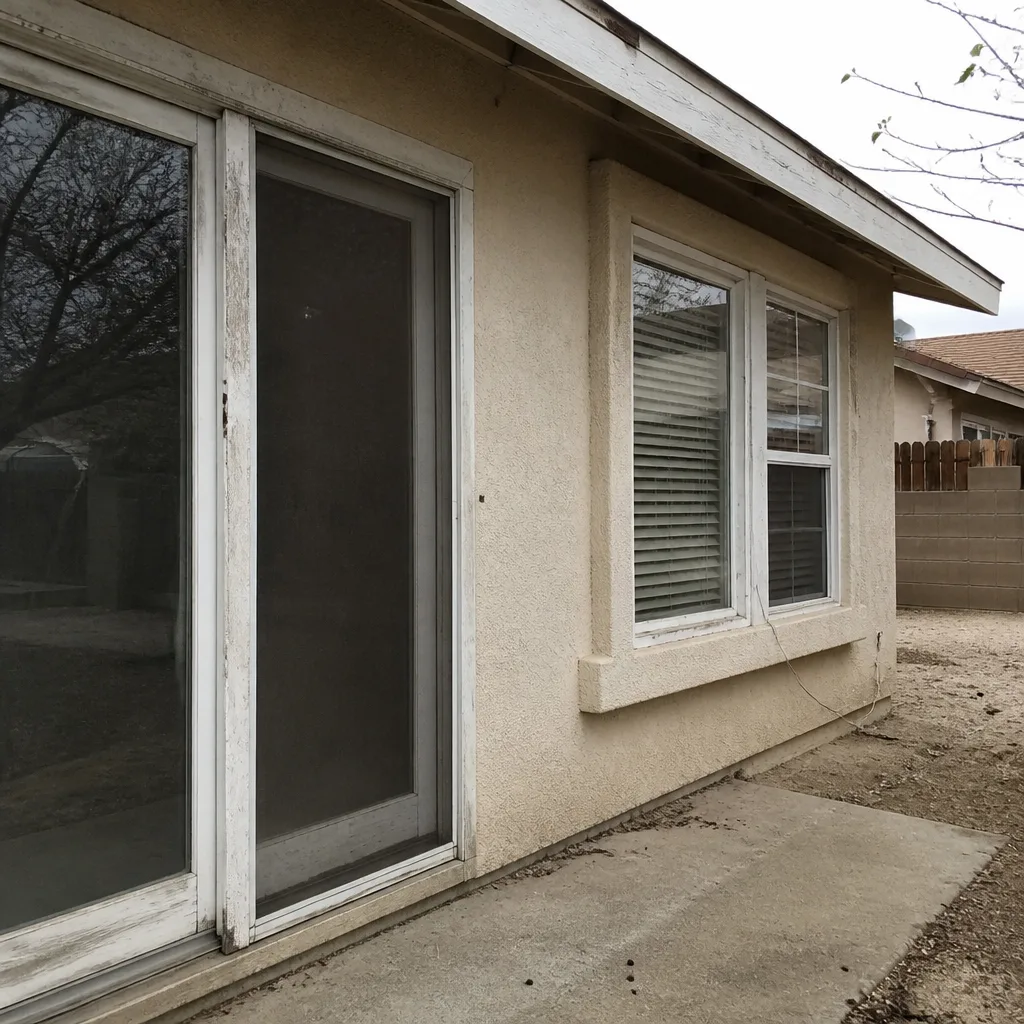 Before
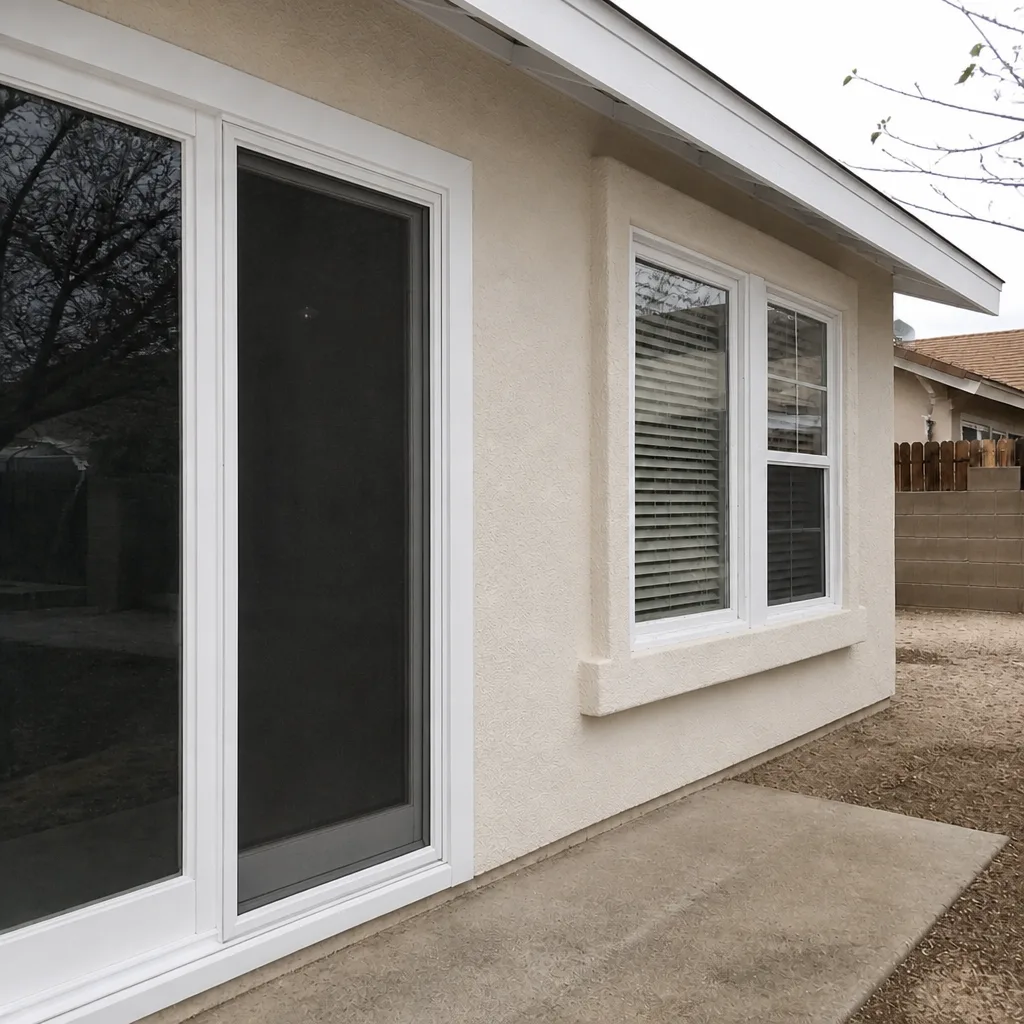 After
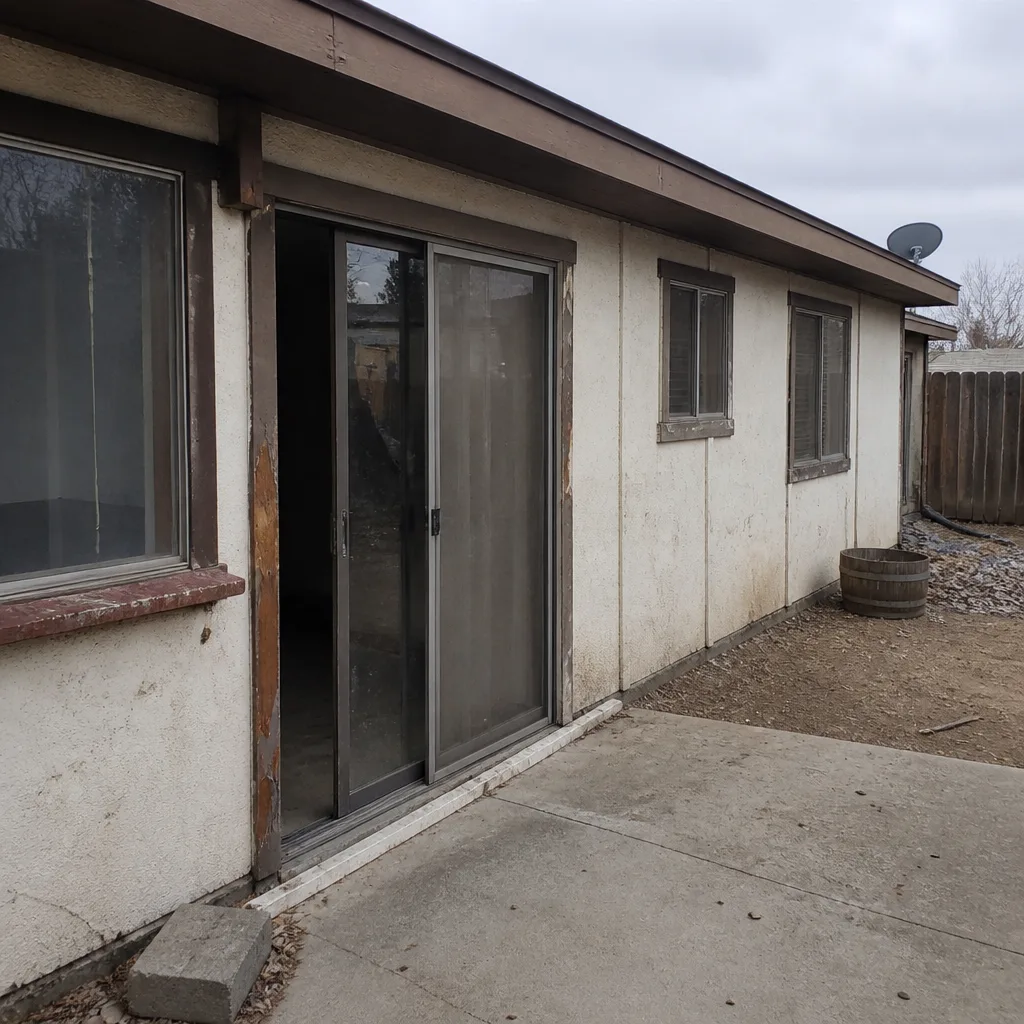 Before
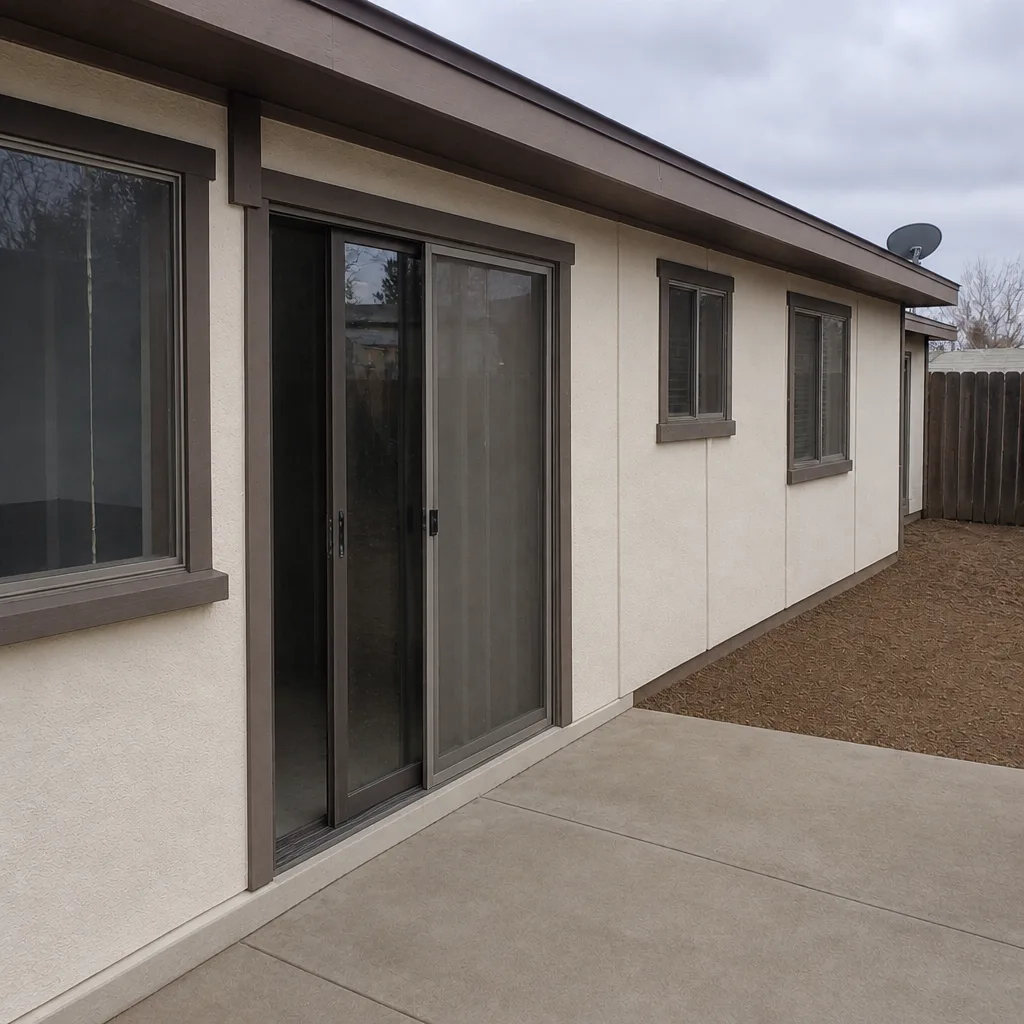 After
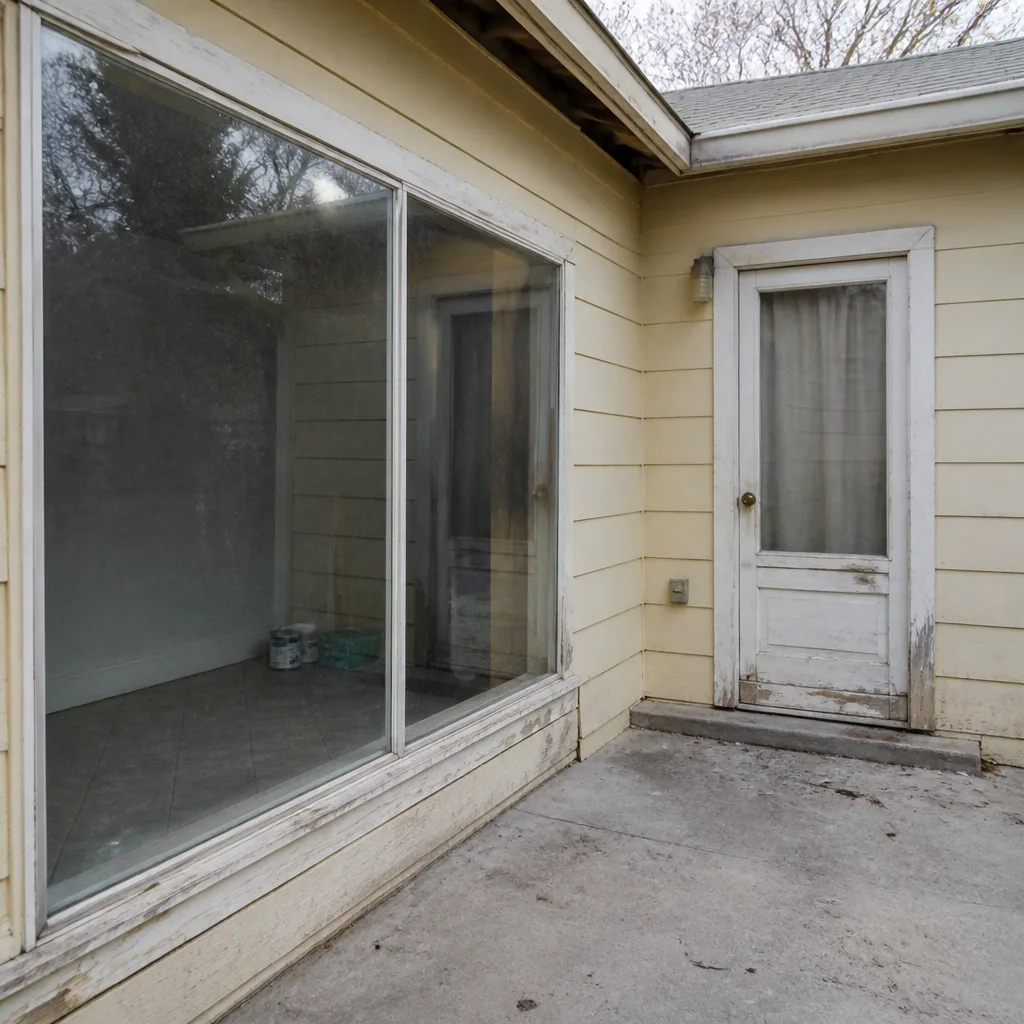 Before
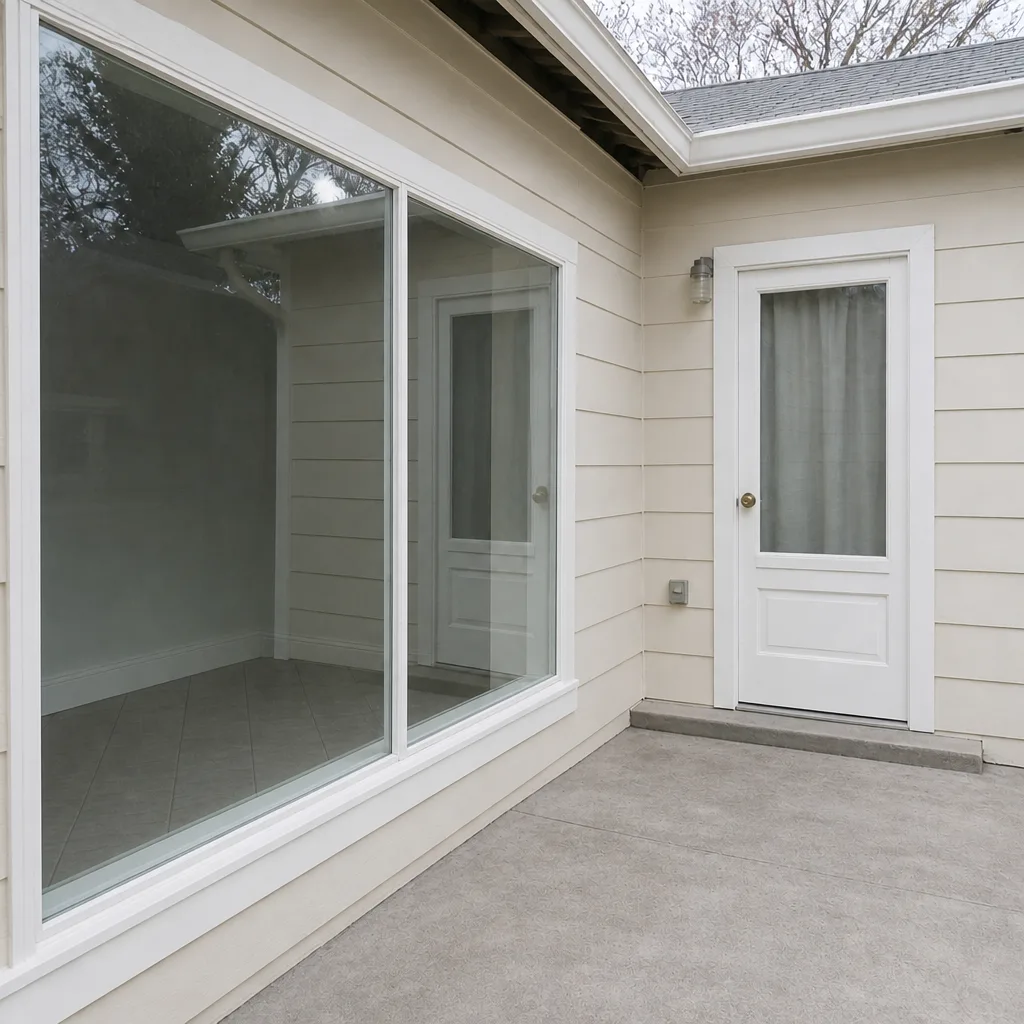 After
When to Call a Professional
Call a professional if you see glass that flexes or rattles, any visible daylight or water intrusion around a closed window or door, a sealed unit with permanent film or color shift, a sill or threshold that’s soft or stained, or any window or door that has failed the same way after you’ve tried a repair. These are not cosmetic issues, and the longer they go, the more the failure compounds. Safety matters here too: high windows, glass that has lost structural integrity, and door frames that have shifted out of square all demand a trained professional, not a weekend project. Our Winchester Windows & Doors team offers free estimates. Call (844) 834-0211 to schedule yours. We answer 24/7, with fast dispatch from 7am to 7pm, Sunday through Friday. Our technicians have up to 14 years of experience, so you’re getting a real assessment, not a sales script. A written, line-item quote gives you the full picture before any decision is made.
Frequently Asked Questions
Hold a white sheet of paper behind the glass and look for a gray, yellow, or bronze cast, a permanent film that won’t wipe off, or a faint bluish sheen. In Winchester’s dry air, the classic fogging sign often never appears, so the color and film test is what catches it. If a pane fails this test, the sealed unit has lost its thermal performance and that can’t be restored by repair. Call (844) 834-0211 for a free estimate, and we’ll help you decide between a single-unit replacement and a full window replacement.
A single sticking exterior door that only sticks in one season is almost always a frame or weatherseal problem, not a foundation problem. Wood slabs swell with humidity and fiberglass or steel frames shift slightly with the thermal cycle, so the door is telling you the seal or the hinges need attention. Check for drag marks on the threshold and daylight around the closed edge. If either is present, call (844) 834-0211 and we’ll schedule a free estimate.
Compare the same month year over year, not one bill to the next. A consistent climb across three or more matched months, with the same HVAC use and no rate change, is a pattern that points to window performance loss. Room-by-room temperature differences during the hottest part of the day are the secondary signal. If you’re seeing both, call (844) 834-0211 for a free estimate, and we’ll walk you through what’s worth replacing.
Cosmetic damage is paintable, patchable, or resealable: peeling paint, cracked caulk, flattened weatherstripping. Structural failure means the glass, frame, or threshold has lost its performance or safety function, like a color-shifted IGU, a gap that changes with the seasons, or a door that no longer seals against its stop. If a photo from last year and a photo from today look meaningfully different, treat it as structural until a trained professional says otherwise. Call (844) 834-0211 to book a free estimate and get a written, line-item assessment.
No. In an arid climate like Winchester’s, a failed seal can lose its thermal performance without ever fogging, because there isn’t enough moisture in the air between the panes to condense. That’s why the white-paper test and side-by-side comparison matter more than looking for visible fog. A color shift or a permanent film is the more reliable sign. If you suspect a failed seal, call (844) 834-0211 for a free estimate.
Often the individual component can be repaired: a worn operator, a failed balance, a hinge adjustment, or a jamb liner. But if the same window keeps coming back with the same problem after a repair, that’s a signal the frame or the original installation is the issue, and replacement is the more reliable answer. Call (844) 834-0211 for a free estimate, and we’ll tell you honestly which side of that line your window is on before you spend anything.
The Bottom Line
The most important window and door warning signs in Winchester are the ones that don’t announce themselves: a color-shifted pane, a casement that needs two hands, a door that only sticks in one season, a bill that’s climbed quietly across three summers. Catch them with a 20-minute walkthrough and a photo record once or twice a year, and you’ll know exactly when a repair is genuinely enough and when a replacement is the more honest answer. Our team at Winchester Windows & Doors installs only windows and doors, across eight manufacturer lines, so the recommendation you get is driven by your home and your budget, not by a single brand. When you’re ready for a walkthrough, call (844) 834-0211 for a free estimate. Written by the team at Winchester Windows & Doors.