Last updated November 17, 2026
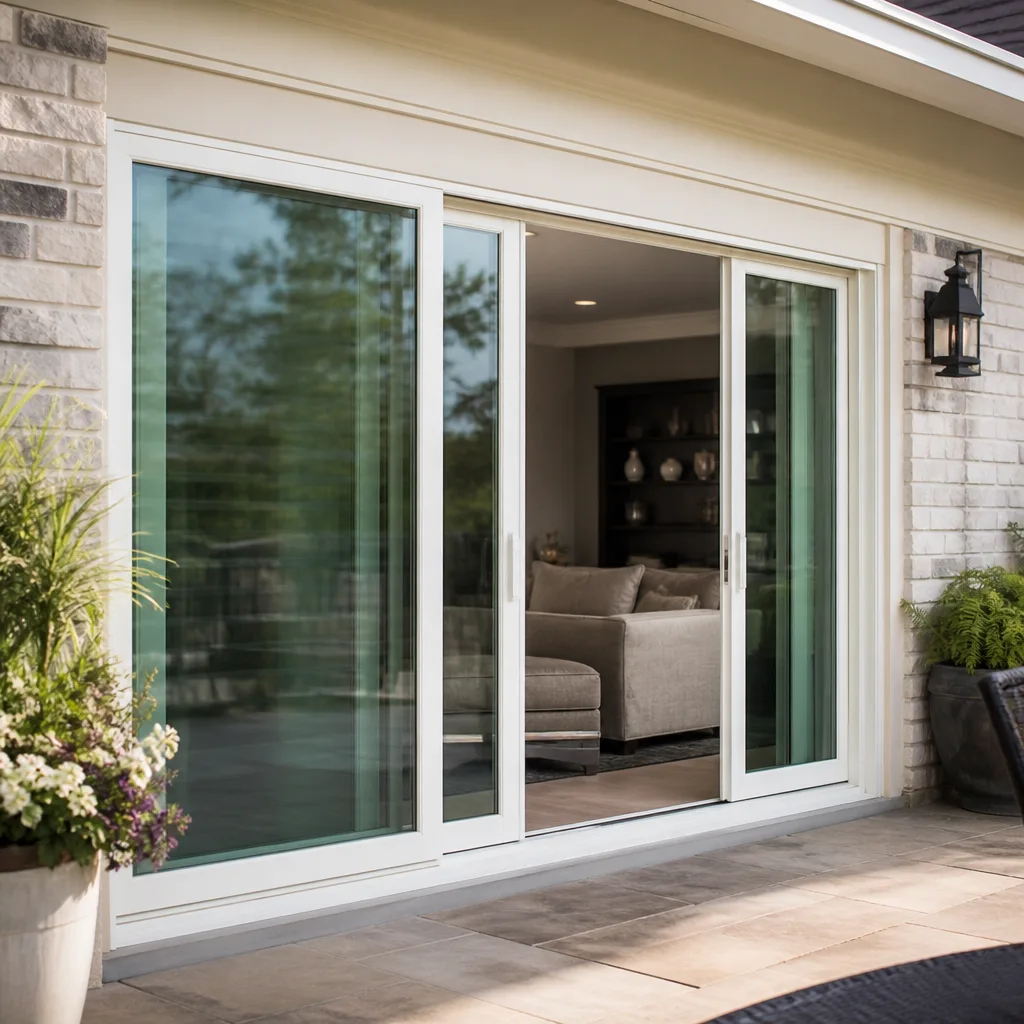 Sliding glass doors
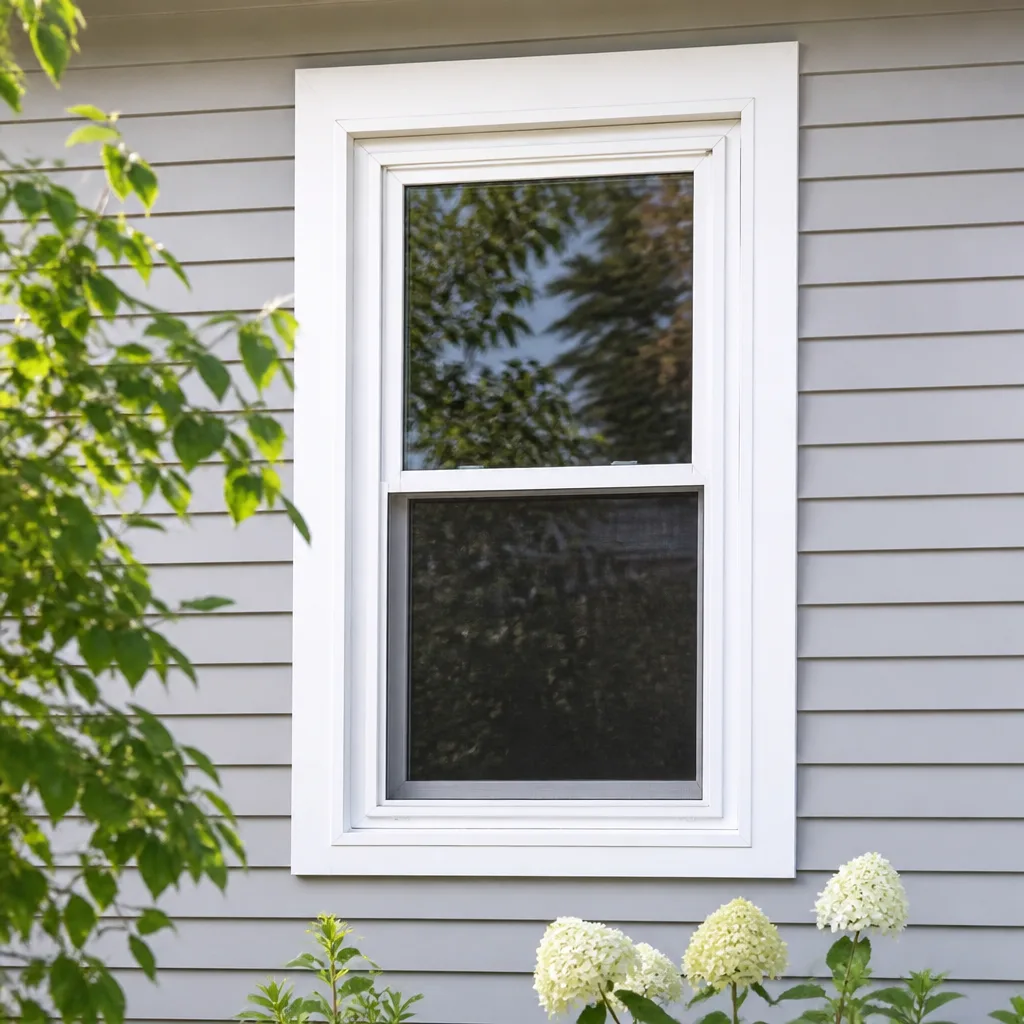 Single hung
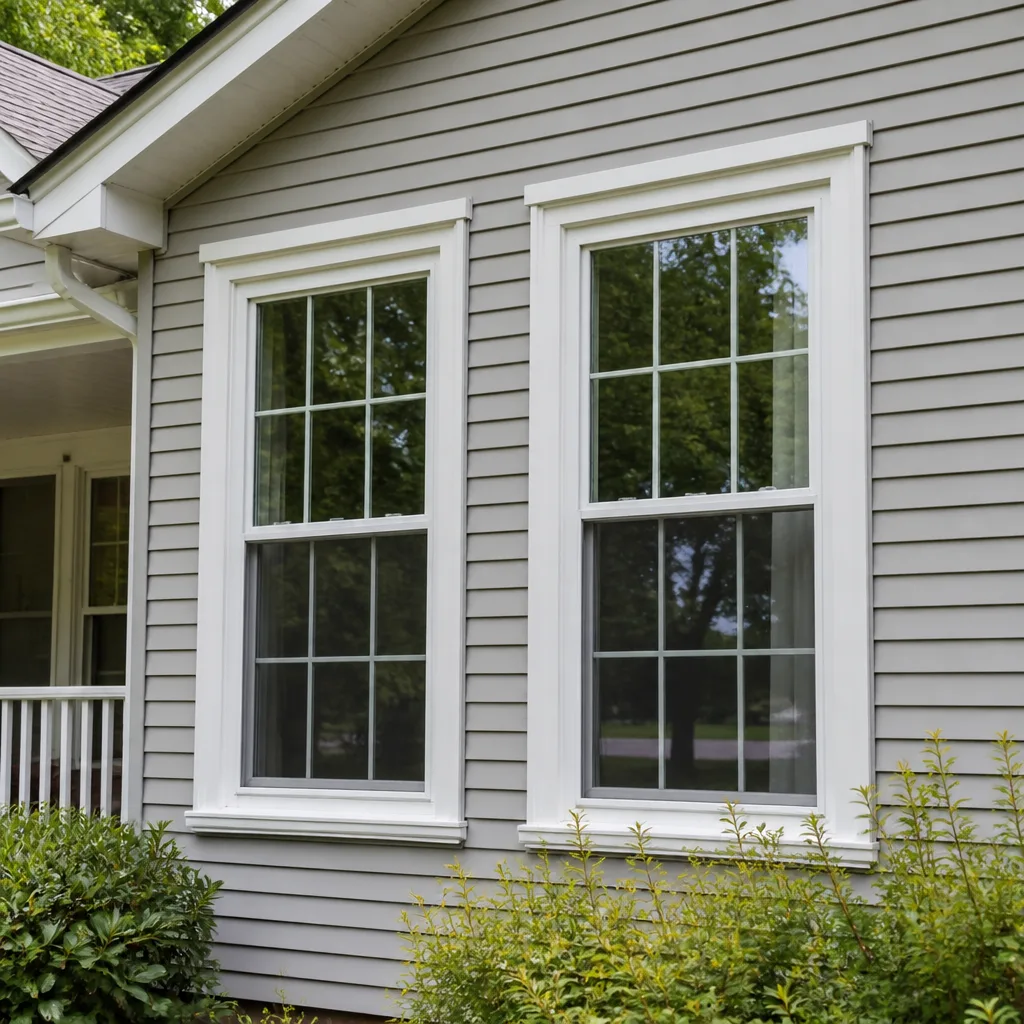 Double hung
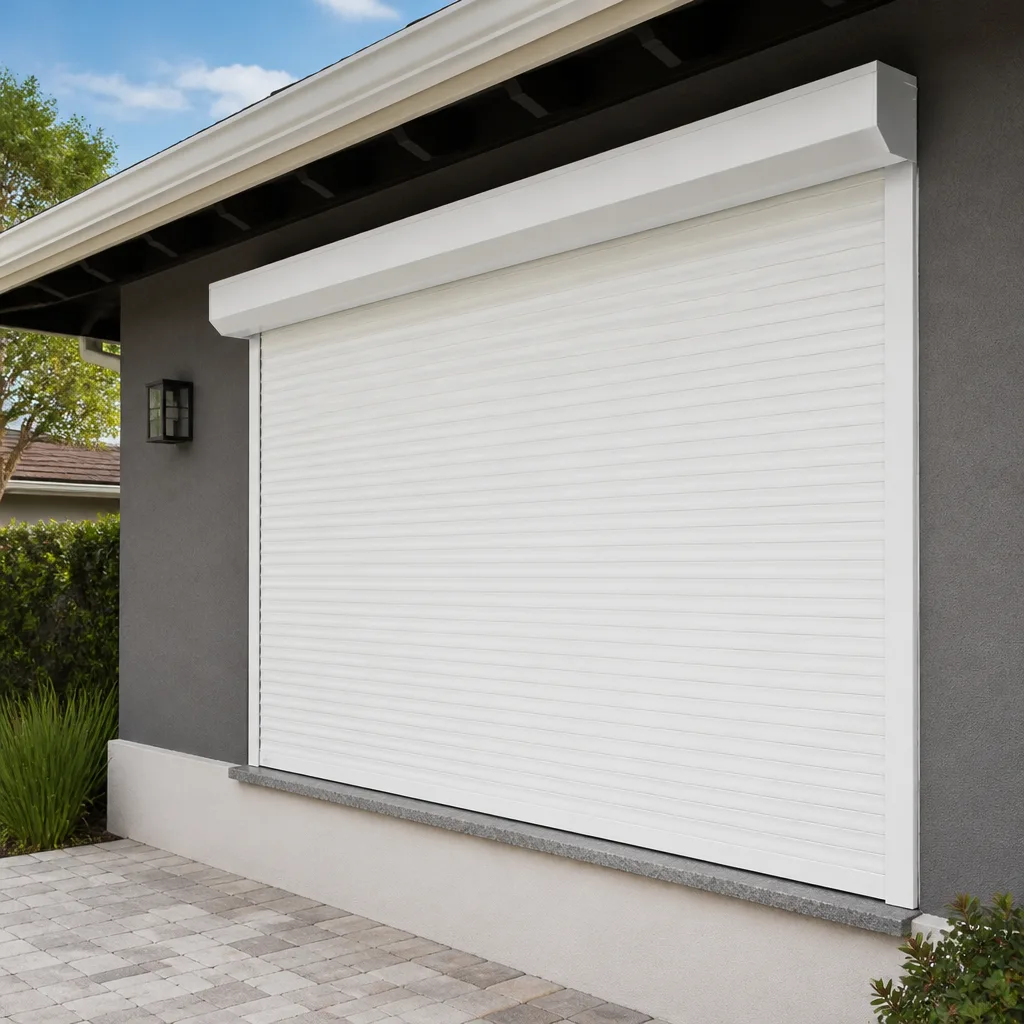 Horizontal roller
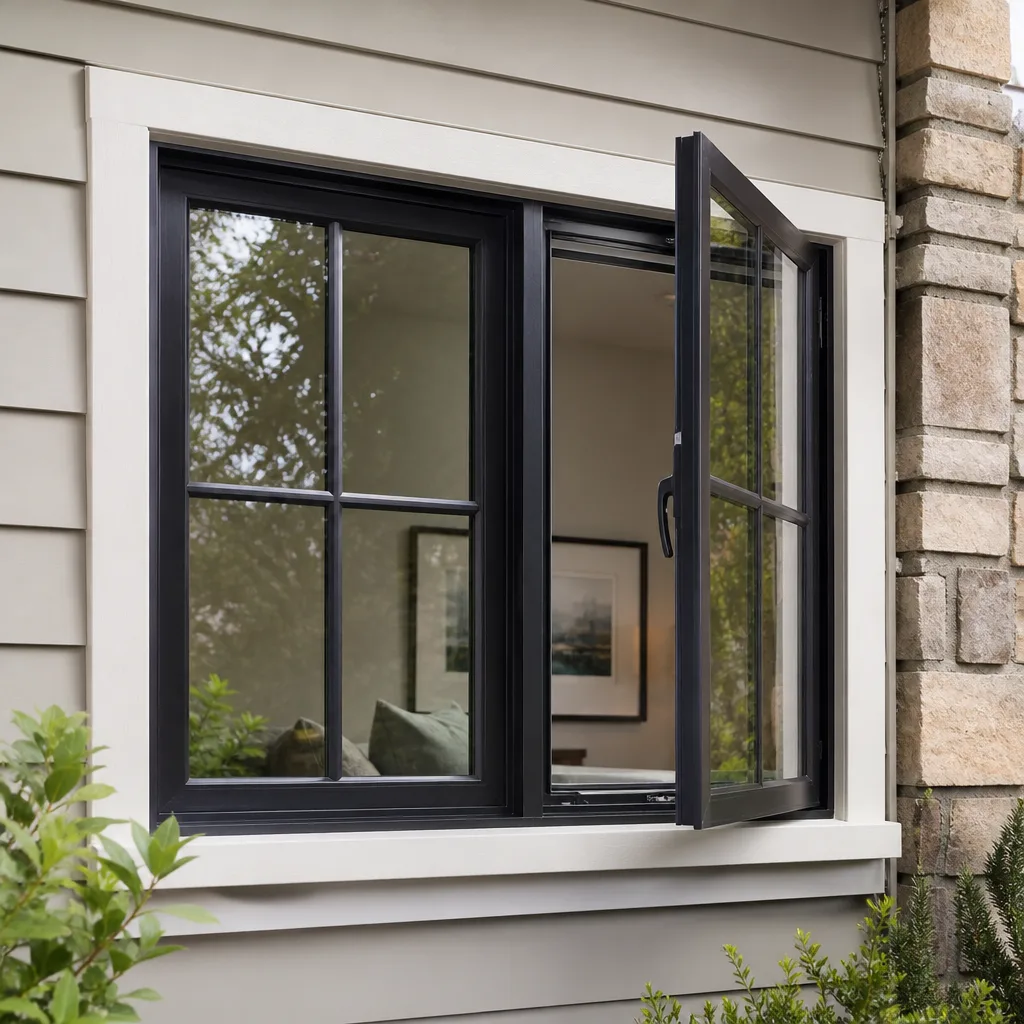 Casement
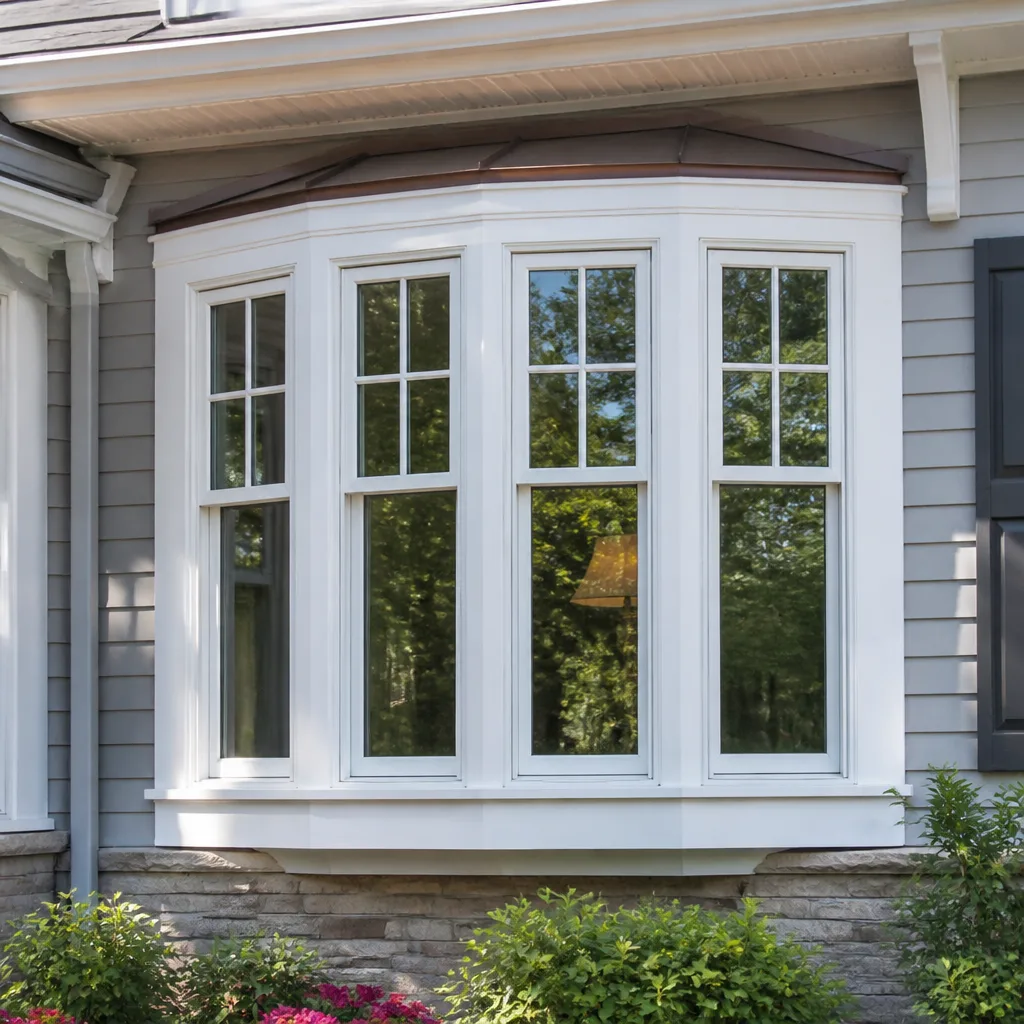 Bay & bow
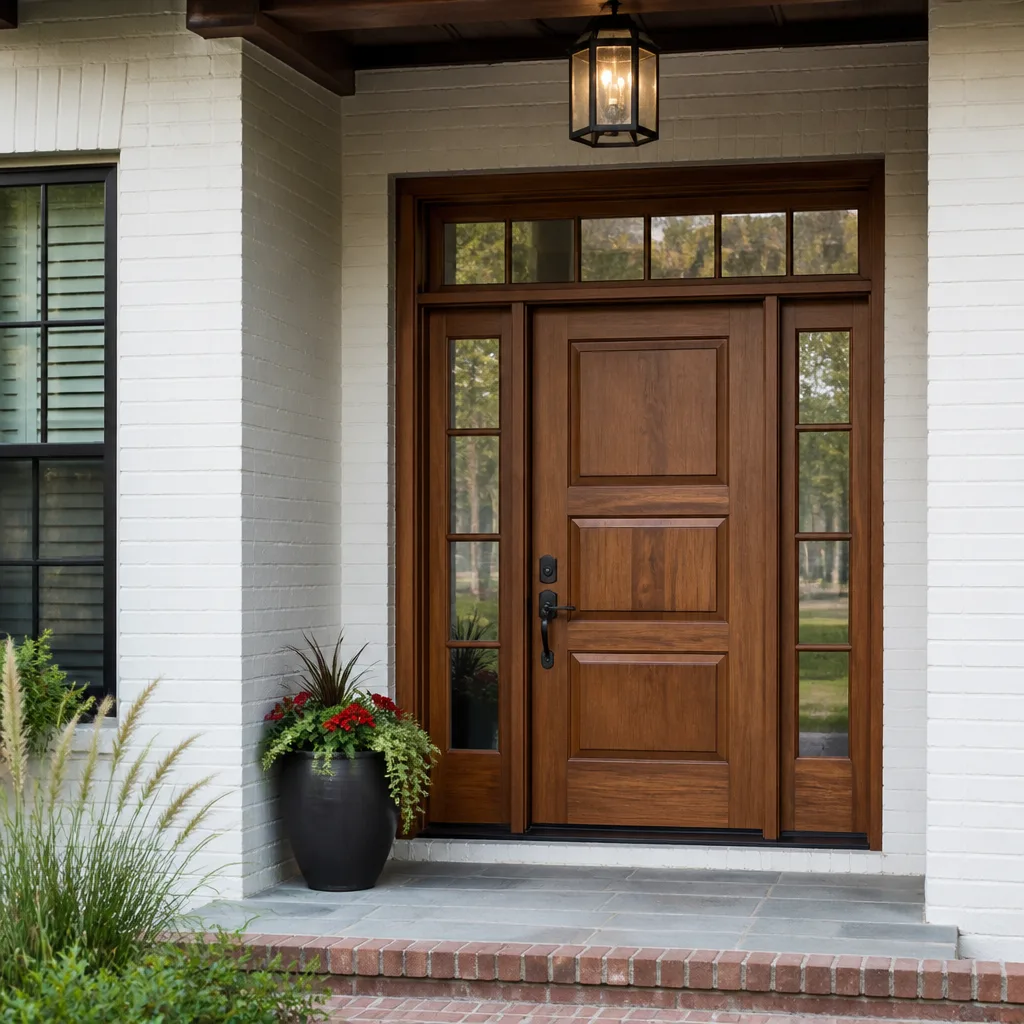 Entry doors
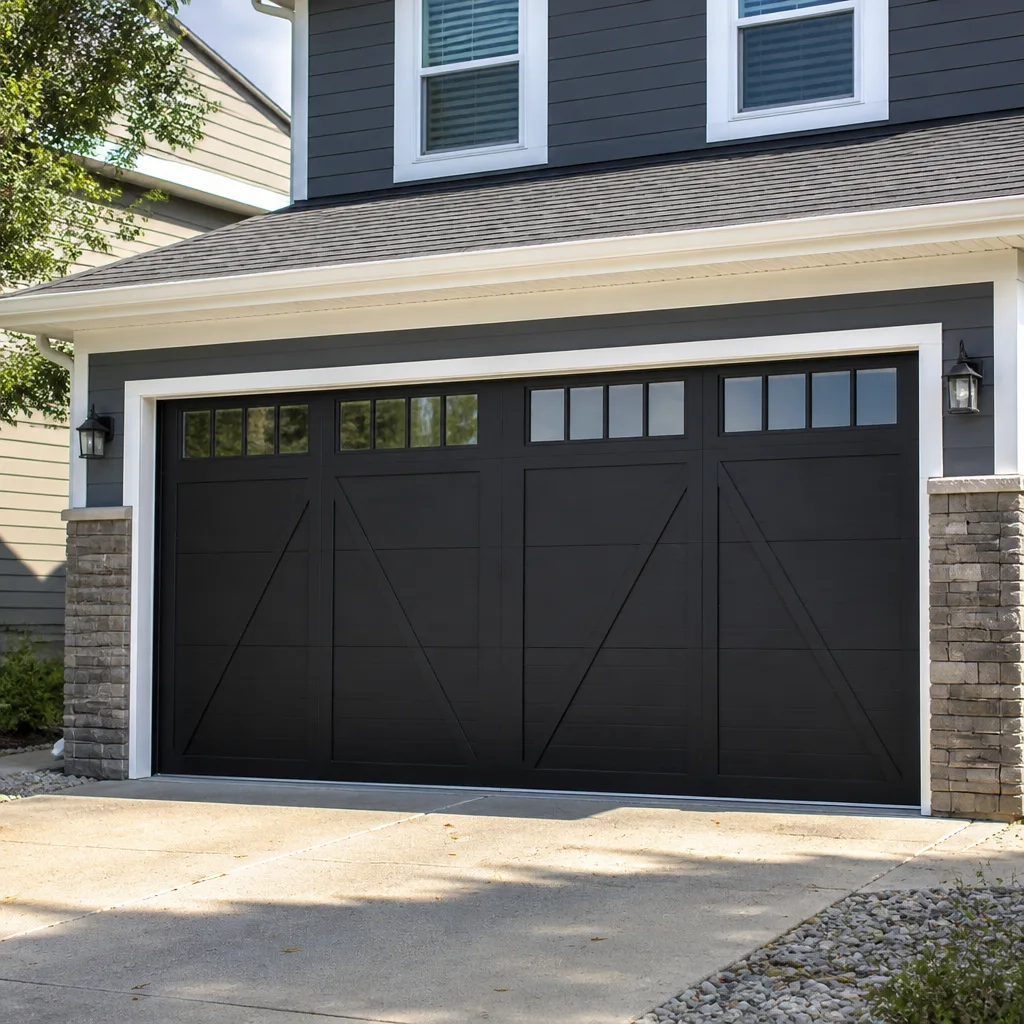 Impact garage doors
 PGT
 CGI
Free in-home measure and quote - PGT, CGI and CWS impact lines compared on your actual openings, style by style
Get your free estimateDIY vs Professional Windows & Doors: The Winchester Homeowner’s Decision Guide
Most major window manufacturers void their product warranty on DIY installations. Not because they’re protecting margin, but because installation error is the single biggest cause of early seal failure, and they know it. In Winchester, that warranty question meets two more: the permit obligation under Clark County rules, and a desert climate that punishes shortcuts in flashing, shimming, and sealant choice harder than a mild climate ever would. This guide reframes the DIY-versus-pro decision around risk instead of skill level, and shows you exactly where the line reasonably sits for a Winchester homeowner.
Quick Answer
For a Winchester homeowner, DIY window and door installation usually isn’t worth it once you factor in manufacturer warranty terms, Clark County permit and inspection standards, and the physical reality of working in summer desert heat. Professional installation keeps the product warranty intact, puts the permit and inspection on the installer, and avoids the seal and flashing failures that desert UV and temperature swing expose. DIY makes sense for interior trim, minor hardware, and weatherstripping, not for anything touching the rough opening or frame.
Styles & brands we work with
- Single hung
- Double hung
- Horizontal roller
- Casement
- Bay & bow
- Sliding glass doors
- Entry doors
- Impact garage doors
- PGT
- CGI
Table of Contents
- Why the Warranty Question Changes Everything
- Permits and Inspections in Clark County
- Desert Heat and the Three Failure Points
- The Real Cost Comparison
- What a Professional Installation Actually Involves
- Where the DIY Line Reasonably Sits
- Common Mistakes to Avoid
- When to Call a Professional
Why the Warranty Question Changes Everything
Manufacturer warranties on windows and doors are conditional documents, and the condition that trips up most homeowners is the installer requirement. PGT and CGI, two of the most tested names in performance glazing, build their warranties around authorized installation because glass, frame, and seal are engineered as one system. Break that system with an unapproved install, and the manufacturer has a defensible reason to decline a claim.
In practice, that means a failed seal, a fogged insulated glass unit, or a stress crack that would be covered under an authorized install may come back to you as a replacement you pay for. The window itself is often the most expensive single component in the job. Losing its coverage to save on labor is a trade that rarely works out in the homeowner’s favor.
Winchester homeowners who DIY also lose the installer’s own workmanship coverage, because there isn’t one. A professional installation carries two warranties stacked together: the product warranty from the manufacturer and the workmanship warranty from the installer. DIY leaves you with neither in a form you can enforce.
What “Authorized Installer” Means for You
- The manufacturer recognizes the installer and honors the product warranty on that install.
- Installation follows the manufacturer’s published method for flashing, fastening, and sealing.
- If a defect appears, the claim path is clear and doesn’t hinge on proving who installed it.
- Authorized installers are trained on the specific product line, not just windows in general.
Because Winchester Windows & Doors installs across eight manufacturer lines, from Mr-Glass to Therma-Tru, the warranty question gets answered before the product is chosen. That’s the practical value of authorized status: the coverage stays attached to the window through its whole service life.
Permits and Inspections in Clark County
Window and door replacement in Clark County generally requires a permit when the work affects the structural opening, the egress path, or the home’s energy envelope. A like-for-like swap of a window in the same opening sometimes qualifies for a simpler path, but the rules depend on scope, and the safe move is always to confirm with the county building department before you buy a single unit. Many Winchester homeowners assume a replacement is exempt, then discover otherwise at inspection.
Homeowner-pull permits are allowed in many jurisdictions, including for some residential window and door work in Clark County. What that permit really means is that you, the homeowner, become the responsible party for the work meeting code. The inspection holds you to the same standard a licensed contractor would be held to: correct flashing integration, proper anchoring, egress dimensions where required, and a weather-tight seal. If the inspection fails, the correction is yours to make.
When we install windows and doors, the permit and inspection sit with us. That’s part of what window installation means as a professional service, and it’s a meaningful risk transfer for a homeowner who’d rather not learn inspection standards the hard way.
Questions to Ask Before You Pull Your Own Permit
- Does this scope actually require a permit, or am I guessing?
- Which inspections apply, and at what stage?
- What happens to my timeline if an inspection fails and I need a reinspection?
- Am I prepared to correct the work myself if it doesn’t pass?
- Does my product warranty depend on who installed it?
Desert Heat and the Three Failure Points
Desert climate doesn’t forgive installation shortcuts the way a mild climate might. Winchester summers stress windows and doors in ways that are harder on DIY work than most homeowners expect, and the failures tend to surface a season or two later, after the warranty window has narrowed. Three points account for most of them.
1. Flashing Integration With Stucco
Stucco is the dominant exterior finish across much of Winchester, and it’s unforgiving of a poorly integrated flashing detail. Water management in a stucco wall depends on a continuous path that sheds moisture at the window opening. Get the flashing sequence wrong, and the wall holds water behind the stucco rather than releasing it, which is expensive to correct once it’s hidden. This is one of the steps where DIY error rates are highest, and where professional installers spend real time.
2. Shimming in Thermally Active Openings
Window and door frames expand and contract through the day in desert heat. Shimming has to account for that movement so the frame stays square and the operable parts keep working. Under-shim or over-shim, and you get sticking sashes, drafty gaps, or a door that won’t latch by midsummer. A properly shimmed opening in Winchester is set up to move, not held rigid against the swing.
3. Sealant Selection for UV Exposure
Not every sealant survives a desert sun. A product rated for moderate climates can chalk, crack, or fail within a couple of seasons under Winchester’s UV load. Professional installers choose sealants rated for high UV exposure and the specific substrate: stucco, fiber cement, or wood trim. That one choice is a quiet determinant of whether the seal holds for years or months.
The Real Cost Comparison
The plainest way to compare DIY and professional installation is a line-by-line look at what each really includes. The material price is the same either way. The differences sit in the costs that don’t appear on the product invoice.
| Cost Line | DIY | Professional |
|---|---|---|
| Product | Same unit price | Same unit price |
| Permit and inspection | Homeowner pulls and manages | Installer pulls and manages |
| Specialty tools | Rental or purchase | Included |
| Material waste | Higher on first attempts | Minimized |
| Manufacturer warranty | Often voided | Preserved |
| Workmanship coverage | None | Included |
| Time in summer heat | Full job, on you | Handled by the crew |
The cost that catches homeowners off guard is the waste. Trim, flashing, sealant, and fasteners are rarely bought in exact quantities on a single DIY job, and rework after a mistake means buying materials twice. Tool rental for a job you’ll do once is another cost that doesn’t show up on the product receipt.
And then there’s the time in Winchester summer conditions. Working outside in triple-digit heat across a multi-window job isn’t just uncomfortable; it’s when fatigue sets in and detail work slips. The physical demands of desert heat are part of the real cost. Our technicians have up to 14 years of experience, and that experience is largely about doing the detail work correctly even when the heat is working against you.
What a Professional Installation Actually Involves
Seeing the steps laid out is the fastest way to understand why the work is best left to a trained crew. This is what a full professional installation looks like, not a rough sketch of “remove old window, put in new.”
- Measure the rough opening with precision, accounting for the frame, flashing clearance, and any thermally active movement.
- Pull the permit where required and confirm the inspection sequence with the county.
- Remove the existing unit carefully, protecting the surrounding wall and finishing details.
- Prep the opening for flashing, cleaning and leveling so the new unit sits square.
- Integrate the flashing so it sheds water at the stucco wall, then set the new unit.
- Anchor and shim the frame so it stays square through expansion and contraction.
- Seal with UV-rated sealant matched to the substrate, at every joint and transition.
- Complete interior trim and finishing, adjust hardware, and verify operation.
- Pass inspection and hand off the completed, warrantied install.
Every one of those steps is a place where a wrong choice compounds. Professionals carry the training to get them right the first time. Window replacement in a focus area like this is a sequence, not a single action, and it’s why we treat product and install as one package.
Where the DIY Line Reasonably Sits
We’re not going to tell you that every window and door job needs a crew. Some do-it-yourself work is genuinely low-risk and satisfying, and we’d rather say so than inflate the job. The line is straightforward: anything touching the rough opening or frame is professional territory, and the small stuff around the edges is fair game.
Reasonable DIY
- Interior trim. Painting, finishing, or replacing interior casing once the unit is installed is well within reach for a careful homeowner.
- Minor hardware replacement. Swapping a handle, latch, or lock is a hardware task, not an installation one.
- Weatherstripping on a door. Replacing worn door weatherstripping is a routine maintenance item that doesn’t touch the frame.
- Cleaning and care. Track cleaning, glass cleaning, and lubrication are the maintenance that keeps any install working well.
Professional Only
- Anything involving the rough opening. Flashing, anchoring, and shimming all happen here.
- Frame replacement or new construction openings. Structural.
- Egress windows. Impermissible to DIY in most cases because the dimensional code matters.
- Entry and patio door installation. Even a beautifully made Therma-Tru door is only as good as its install, and the flashing and threshold work is unforgiving.
- Any job where the product warranty depends on authorized installation.
That last point is where product choice and install choice intersect. A premium line like PGT earns its value on performance, but performance only shows up when the install follows the spec. The right product for your home, not our fastest seller, means the whole system stays intact.
Common Mistakes to Avoid
- Buying the window before confirming the permit path. In Winchester, the county’s requirements depend on the scope, and buying first locks you into a product before you know what the inspection will demand.
- Reusing the old flashing. Flashing is single-use. It’s tempting to leave it in place to save time, but a compromised flashing detail is the most common water-intrusion cause in a stucco wall.
- Choosing sealant by price instead of UV rating. A moderate-climate sealant fails fast under desert UV. This is one of the costliest false economies in a Winchester install.
- Skipping the shim plan. Desert temperature swing makes a rigidly set frame bind and jam. Shimming in thermally active openings is deliberate work, not a filler step.
- Voiding the warranty without knowing it. Many homeowners discover the DIY exclusion only when a seal fails. Read the warranty terms before you open the crate.
- Working through the worst of the summer heat. Fatigue causes detail errors most often in the final steps, which happen to be the ones that determine whether the install holds.
- Forgetting interior finishing when budgeting. The install is only half the job; trim, casing, and paint finish it, and that work should be planned and costed from the start.
When to Call a Professional
Call a professional whenever the job touches the rough opening, the frame, or the home’s energy envelope. That means full window replacement, entry and patio door installation, egress windows, and any opening where flashing and sealing matter, which is essentially every exterior window and door in Winchester. Call us if the product warranty depends on authorized install, if the permit or inspection path is unclear, or if the work has to be completed correctly during desert summer conditions.
We install only windows and doors, so every crew, every recommendation, and every consultation is specific to the same two categories. Choose from eight manufacturer lines, including PGT and CGI for performance-grade impact windows and Therma-Tru for fiberglass entry and patio doors, and the recommendation follows your home’s needs rather than a single brand. Winchester Windows & Doors offers free estimates in Winchester. Call (844) 834-0211. We answer 24/7. Fast dispatch from 7am to 7pm, Sunday through Friday.
See the difference
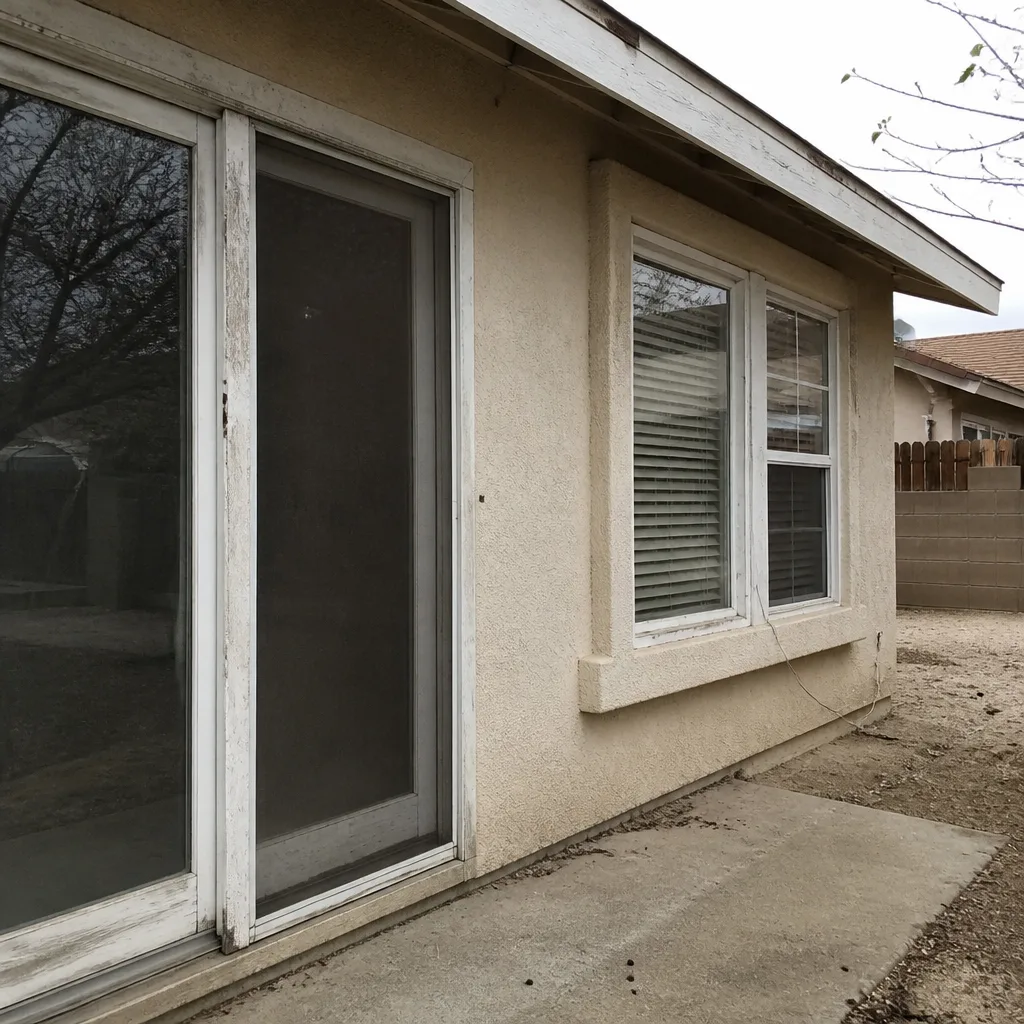 Before
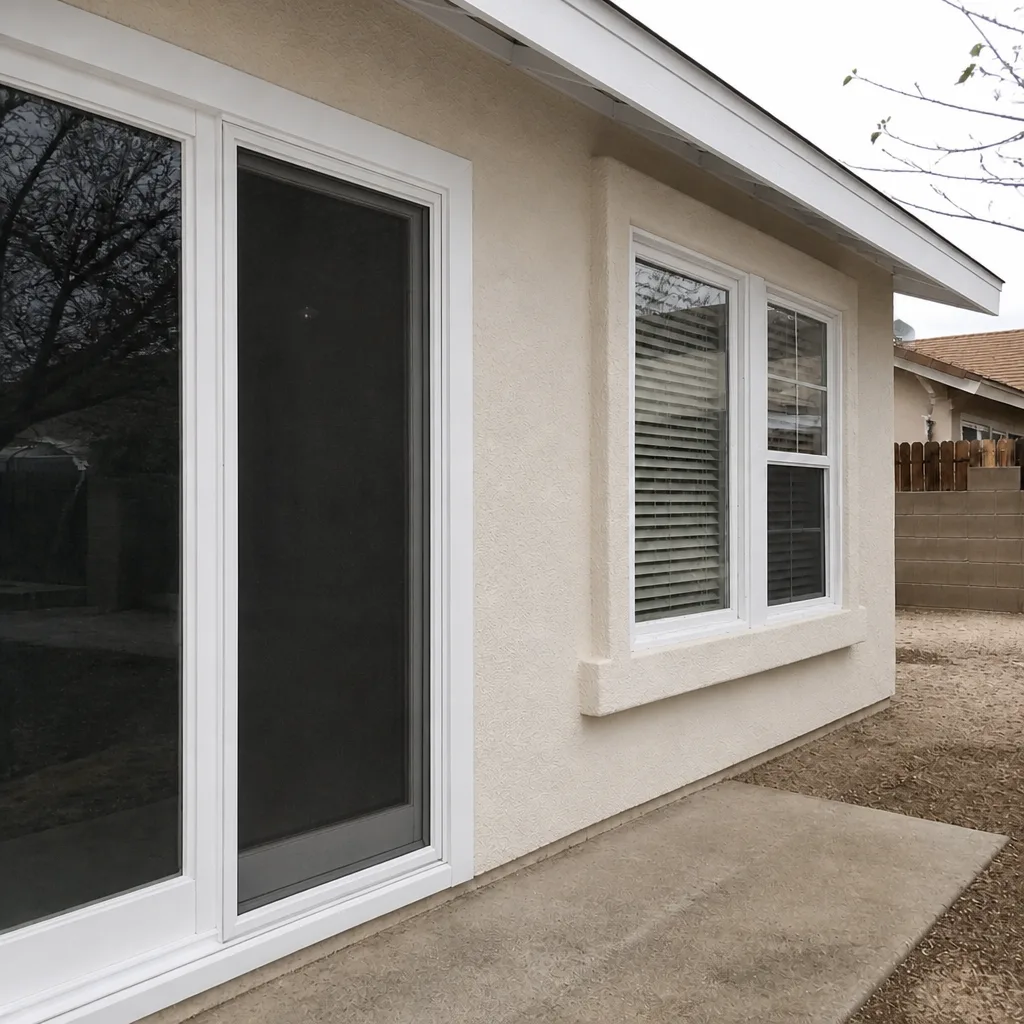 After
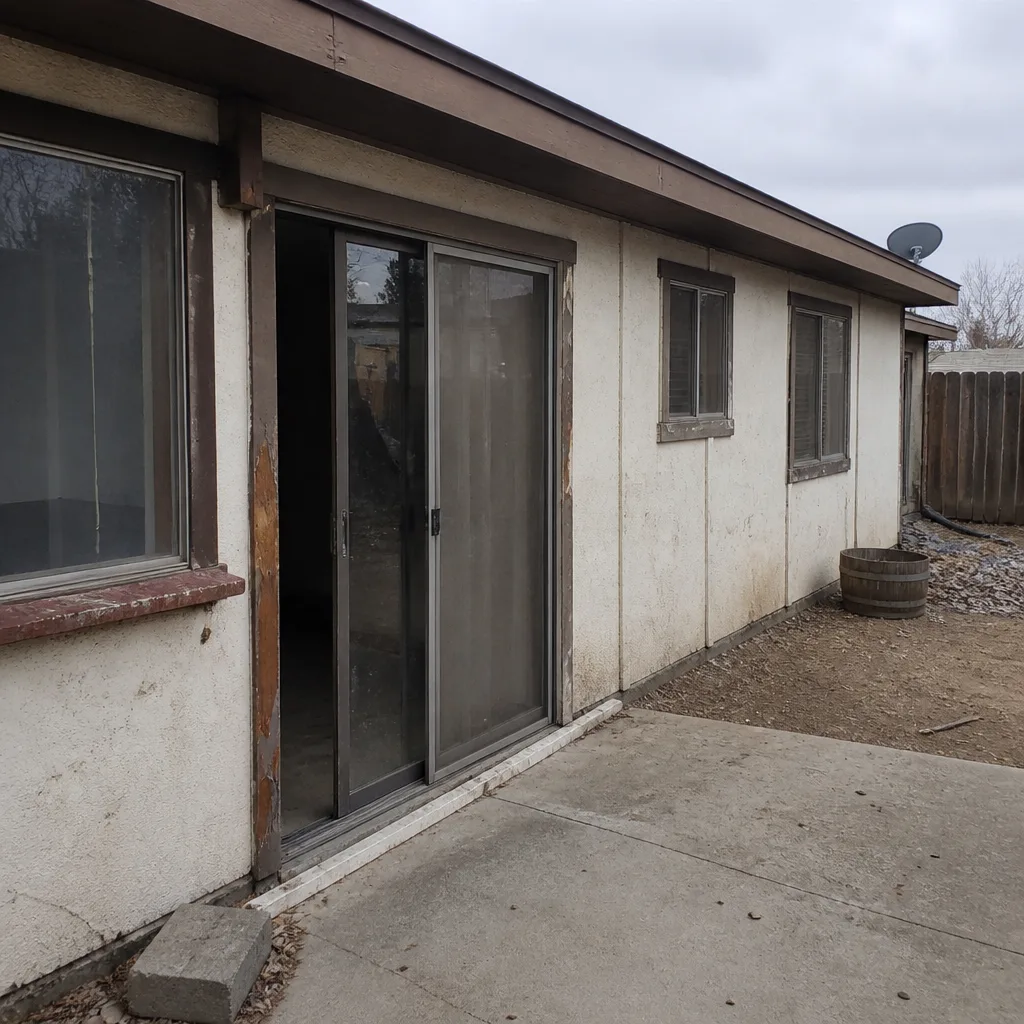 Before
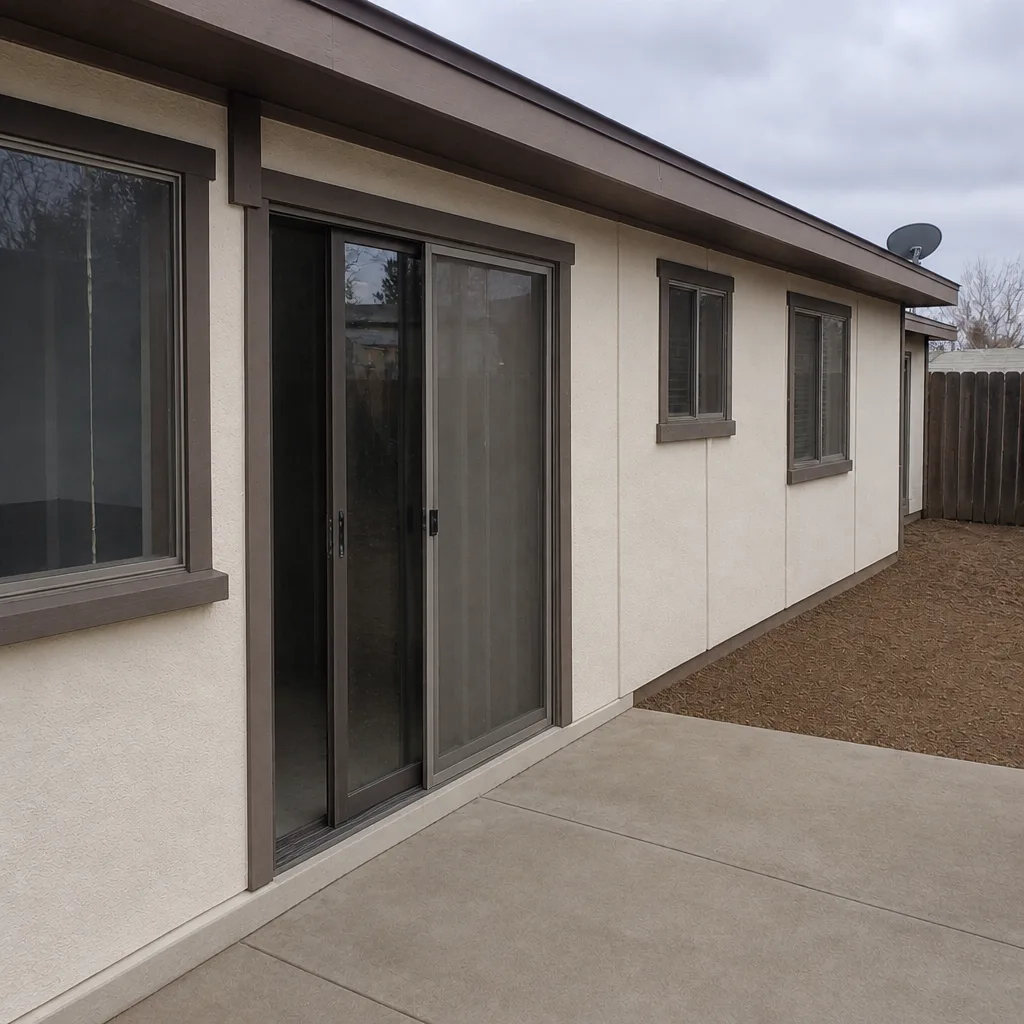 After
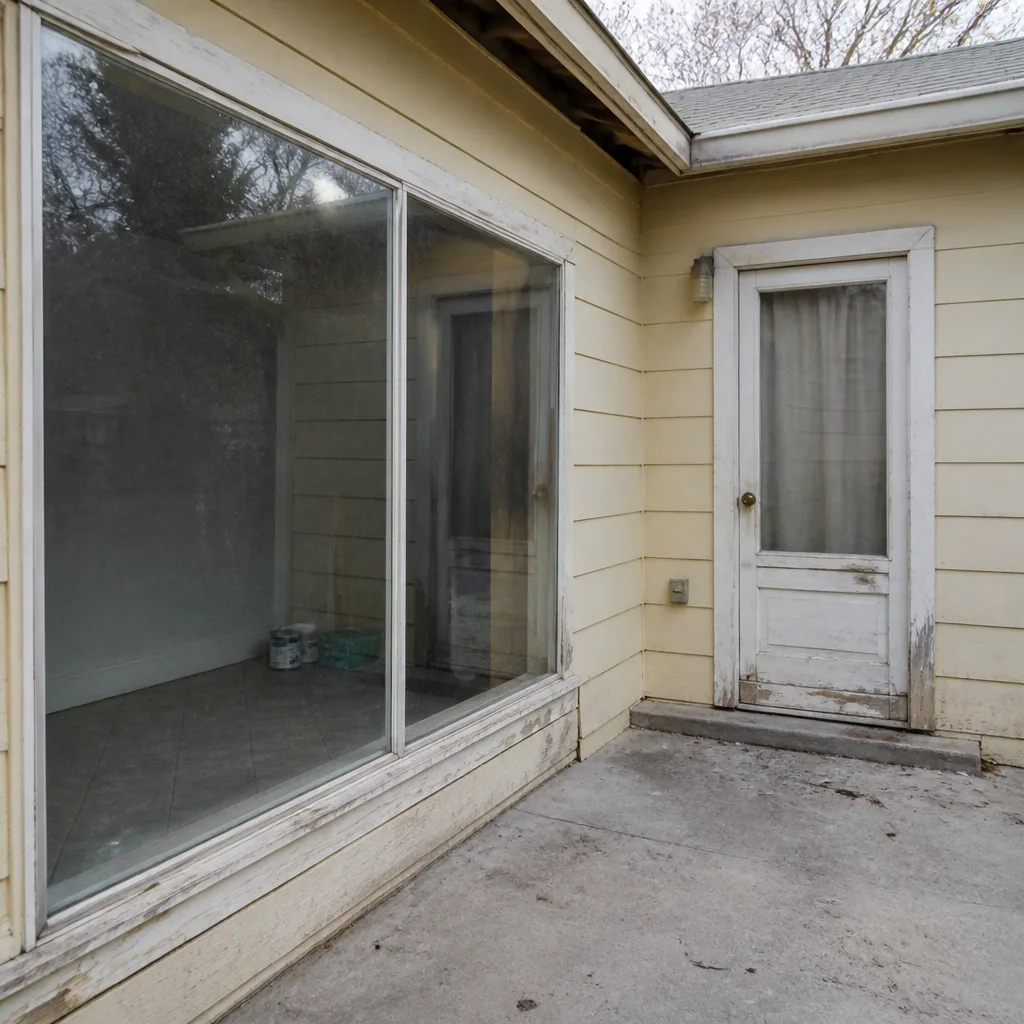 Before
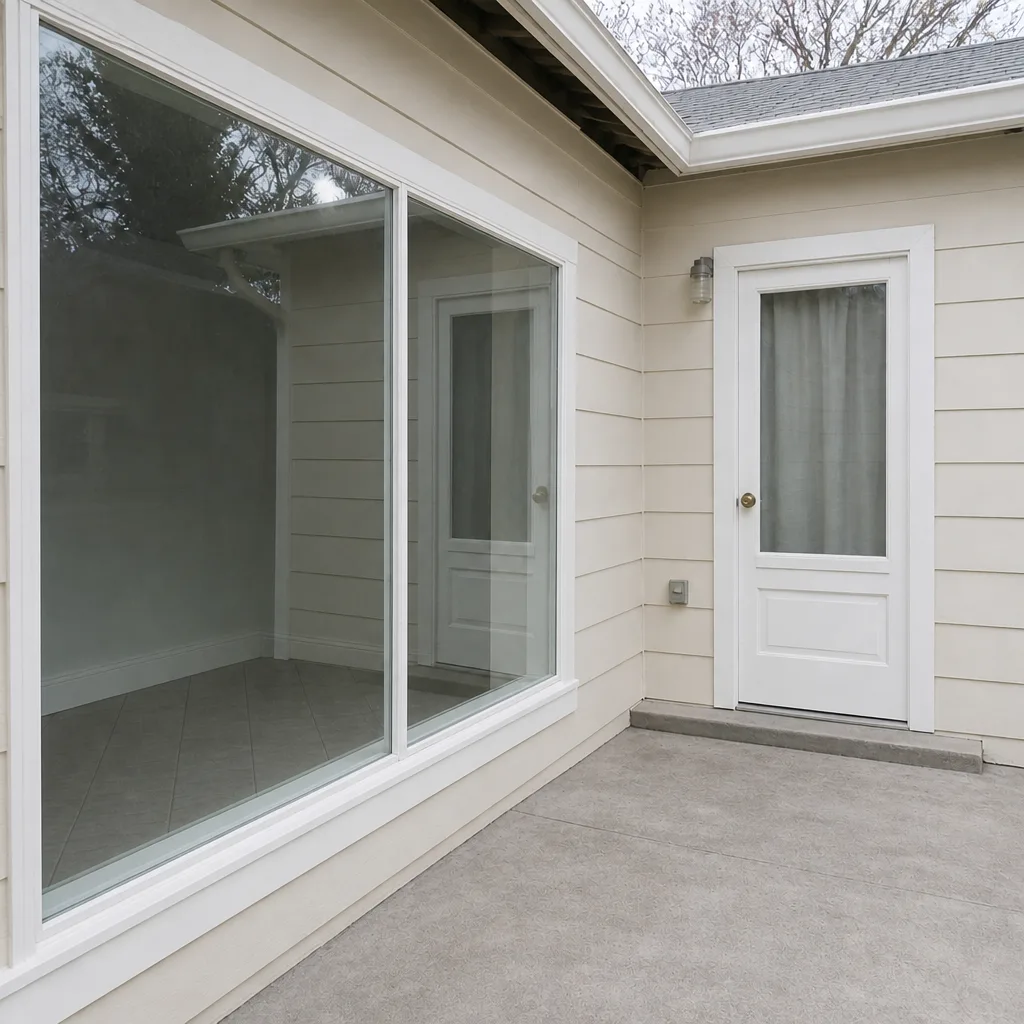 After
Frequently Asked Questions
Often, yes. Many window manufacturers, including major lines like PGT and CGI, condition their product warranty on authorized installation, and self-installation can void coverage on seal, glass, and frame defects. Check the specific warranty terms for the line you’re buying, then compare that risk against the labor savings. Call (844) 834-0211 to talk through your options; estimates are free.
It depends on the scope, but Clark County commonly requires a permit when the work affects the structural opening, egress, or energy envelope. A like-for-like swap sometimes follows a simpler path. Confirm with the county building department before you buy. We pull and manage permits as part of installation, so the inspection isn’t your problem to solve.
You can, but we don’t recommend it. Entry and patio doors are the hardest windows-and-doors install because the threshold and flashing details determine whether the door seals and drains correctly. A high-performance product like a Therma-Tru door is only as good as its installation. Call (844) 834-0211 for a free estimate before you commit to the DIY route.
It depends on how many openings and what the wall construction looks like, but a professional crew sequences the work around measurement, flashing, anchoring, and sealing rather than rushing through it. We’ll give you the timeline in the written estimate, before any work starts. Details like stucco integration and interior trim are the parts that take the most care.
Interior trim, minor hardware replacement, and weatherstripping on a door are reasonable DIY tasks, and so is routine care like track cleaning and lubrication. Anything involving the rough opening, the frame, or the seal is professional territory, because those are the failure points that cost the most to fix later.
Three things: flashing integration with stucco is less forgiving when the wall is dry and the sealant is heat-stressed; frames expand and contract through the day in a way that punishes a sloppy shim plan; and UV exposure is high enough to break down sealants not rated for it. Each of those shows up as a failure a season or two later, after the savings have already been spent. Call (844) 834-0211 for an installation done to the product’s spec.
The Bottom Line
The DIY-versus-pro decision for windows and doors in Winchester comes down to risk, not skill. The product warranty you paid for, the Clark County permit and inspection, and the desert climate’s effect on flashing, shimming, and sealant all push toward a professional install for anything touching the rough opening or frame. DIY stays reasonable for interior trim, minor hardware, and weatherstripping. Weigh those against the real costs of waste, tool rental, and time in summer heat, and the professional route usually wins for the parts that matter most. If you’re weighing the choice, start with the product and the install together, and get a written estimate that covers both.
Built to last, installed to fit. When you’re ready to move from research to a real quote, Winchester homeowners can reach us for a free estimate. Call (844) 834-0211. We answer 24/7. Fast dispatch from 7am to 7pm, Sunday through Friday.
Written by the team at Winchester Windows & Doors.