Last updated November 17, 2026
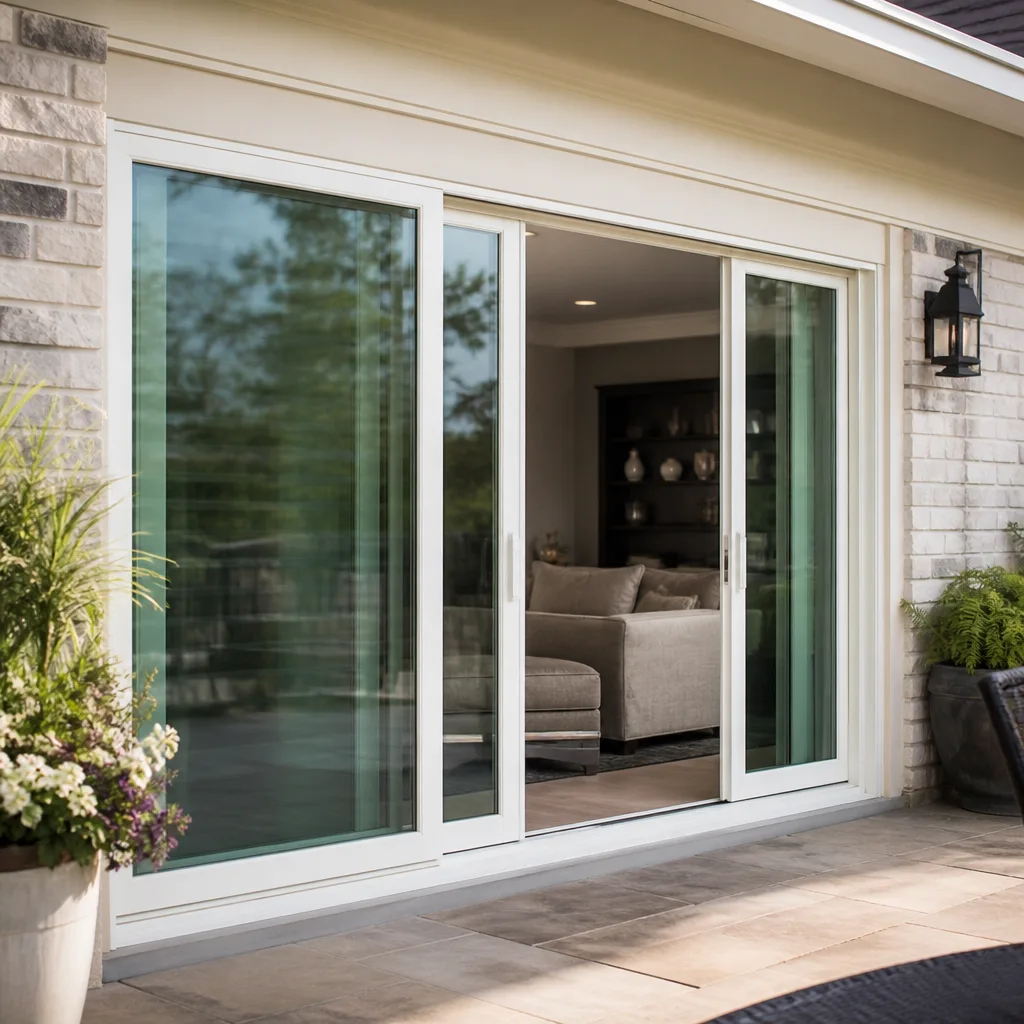 Sliding glass doors
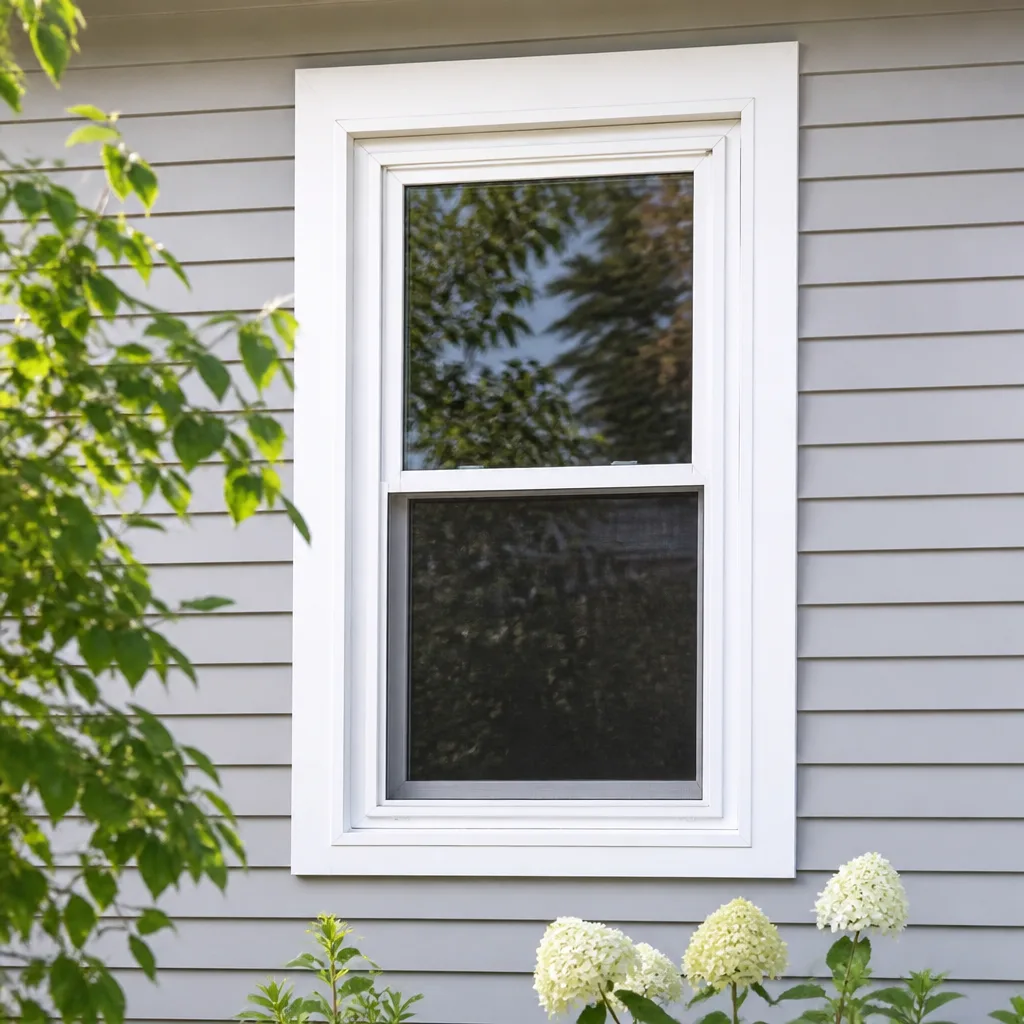 Single hung
 Double hung
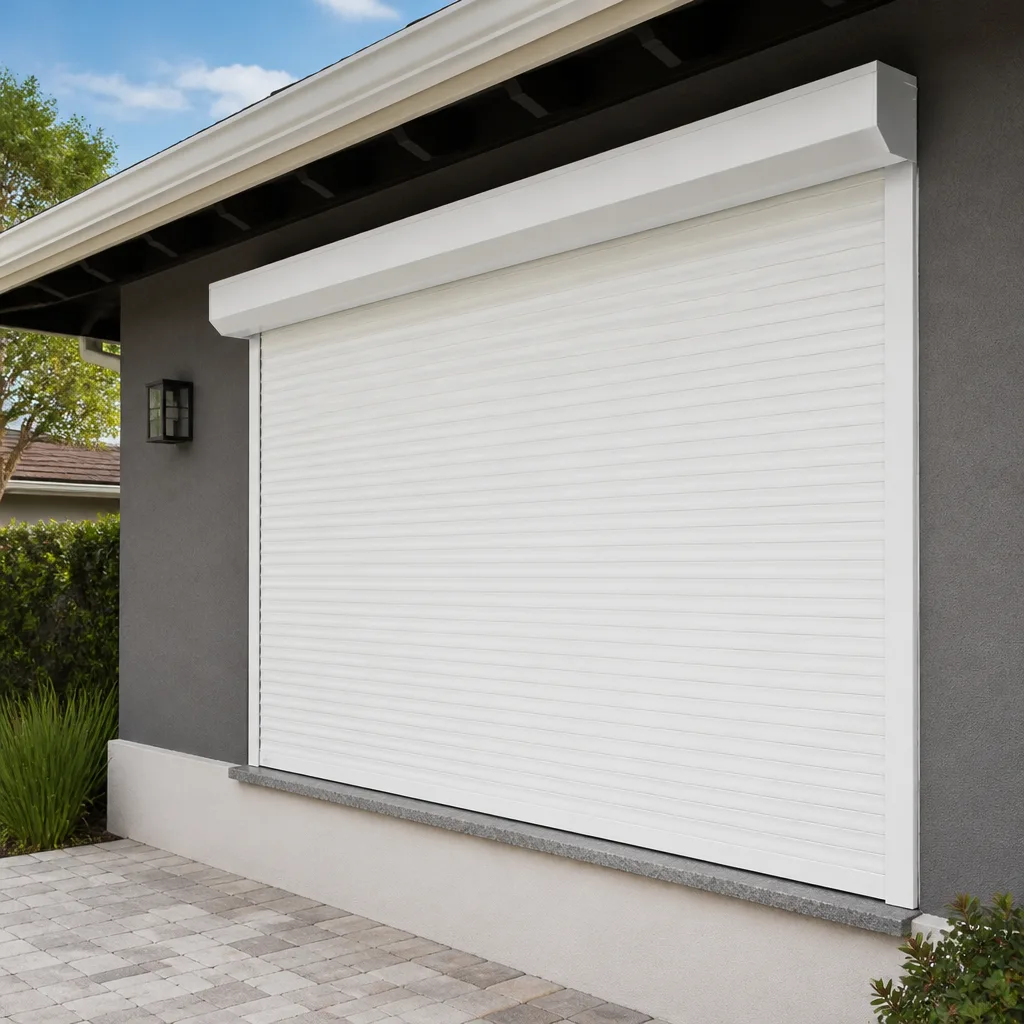 Horizontal roller
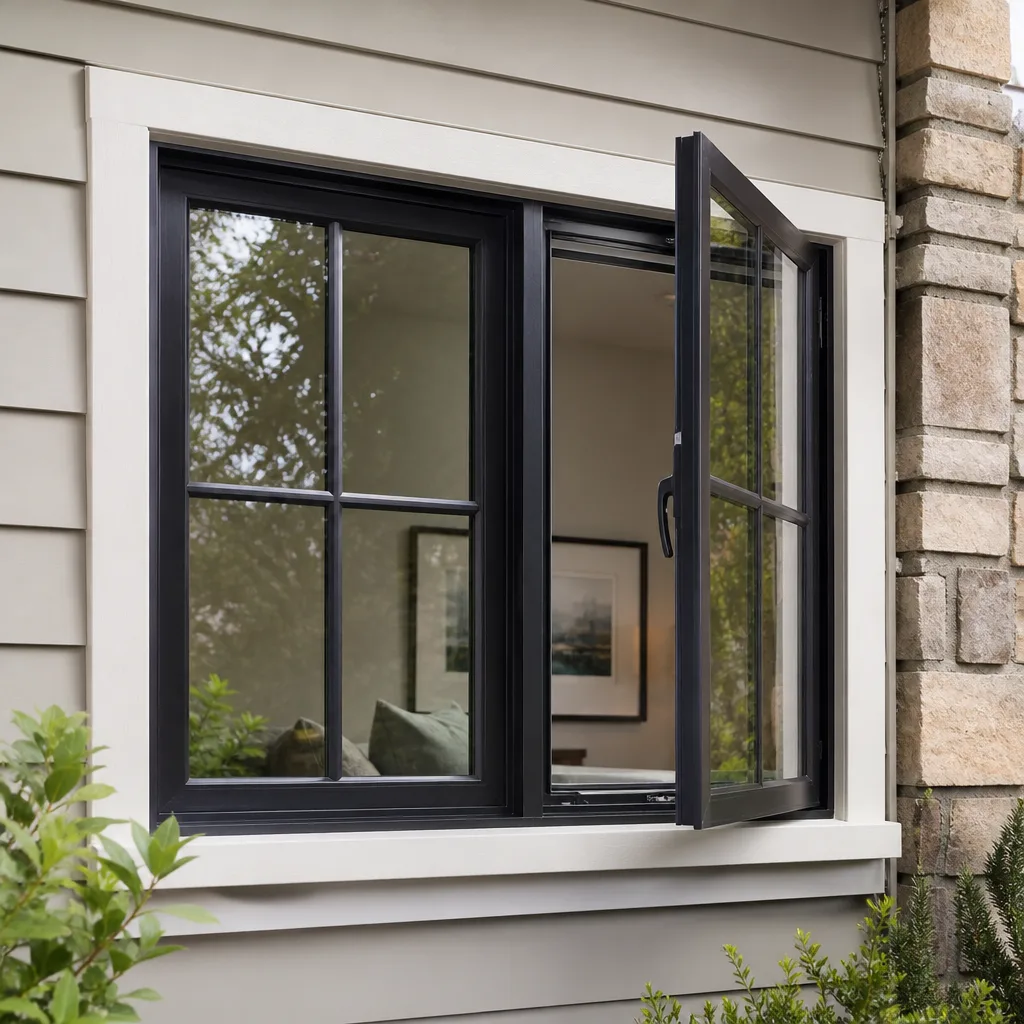 Casement
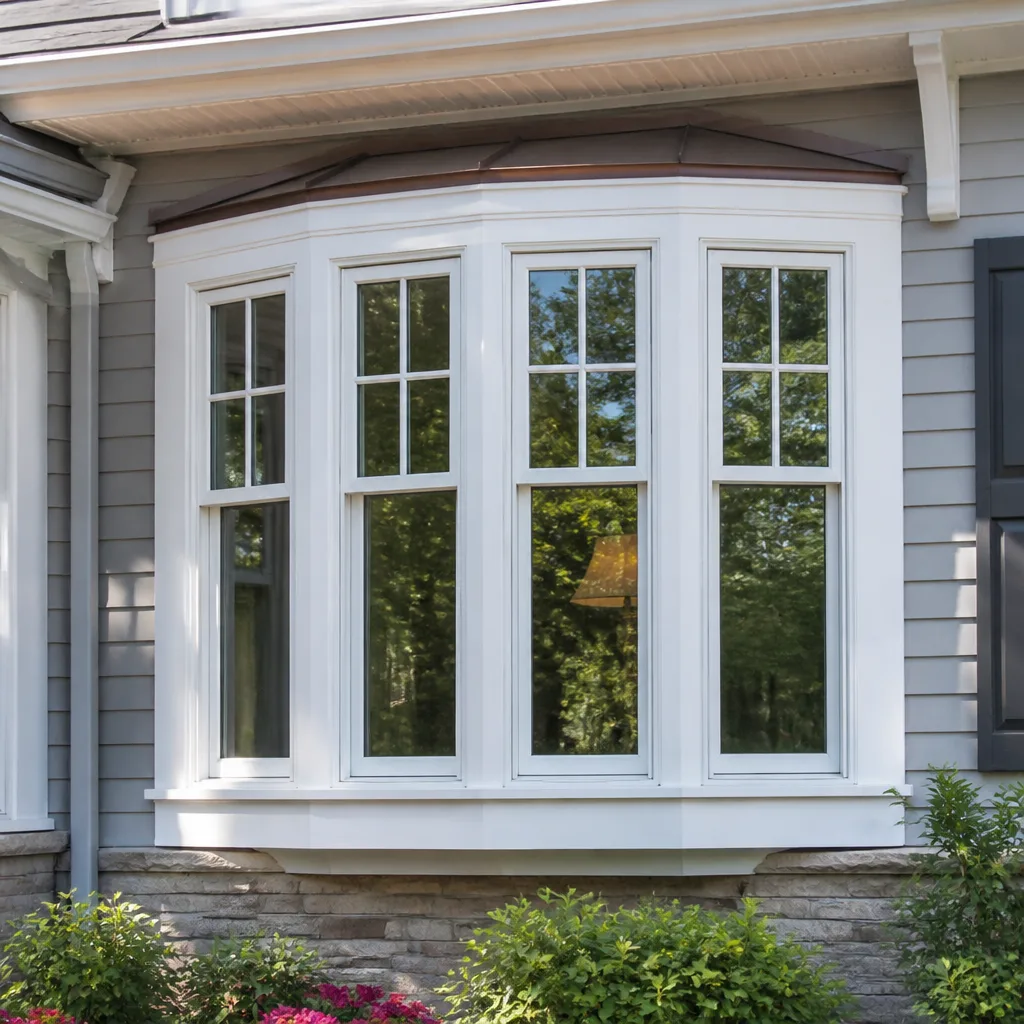 Bay & bow
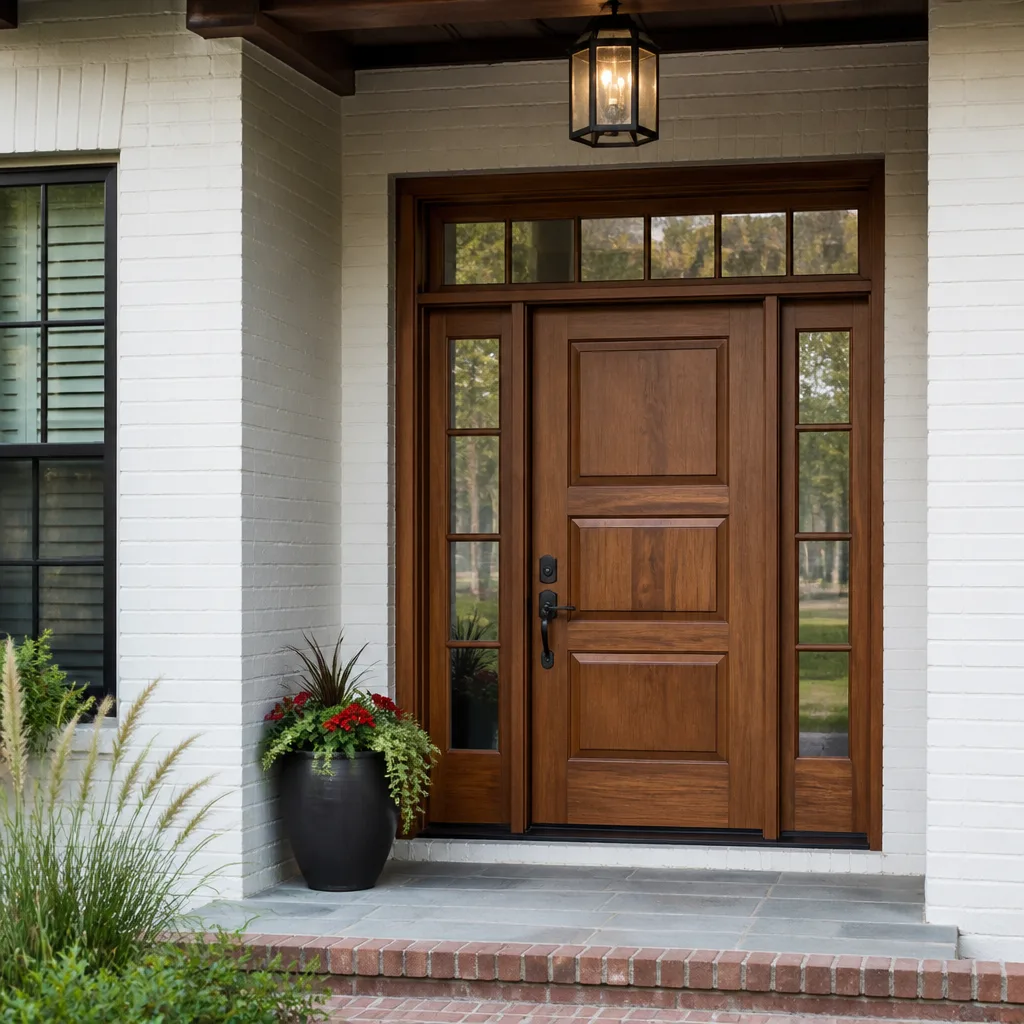 Entry doors
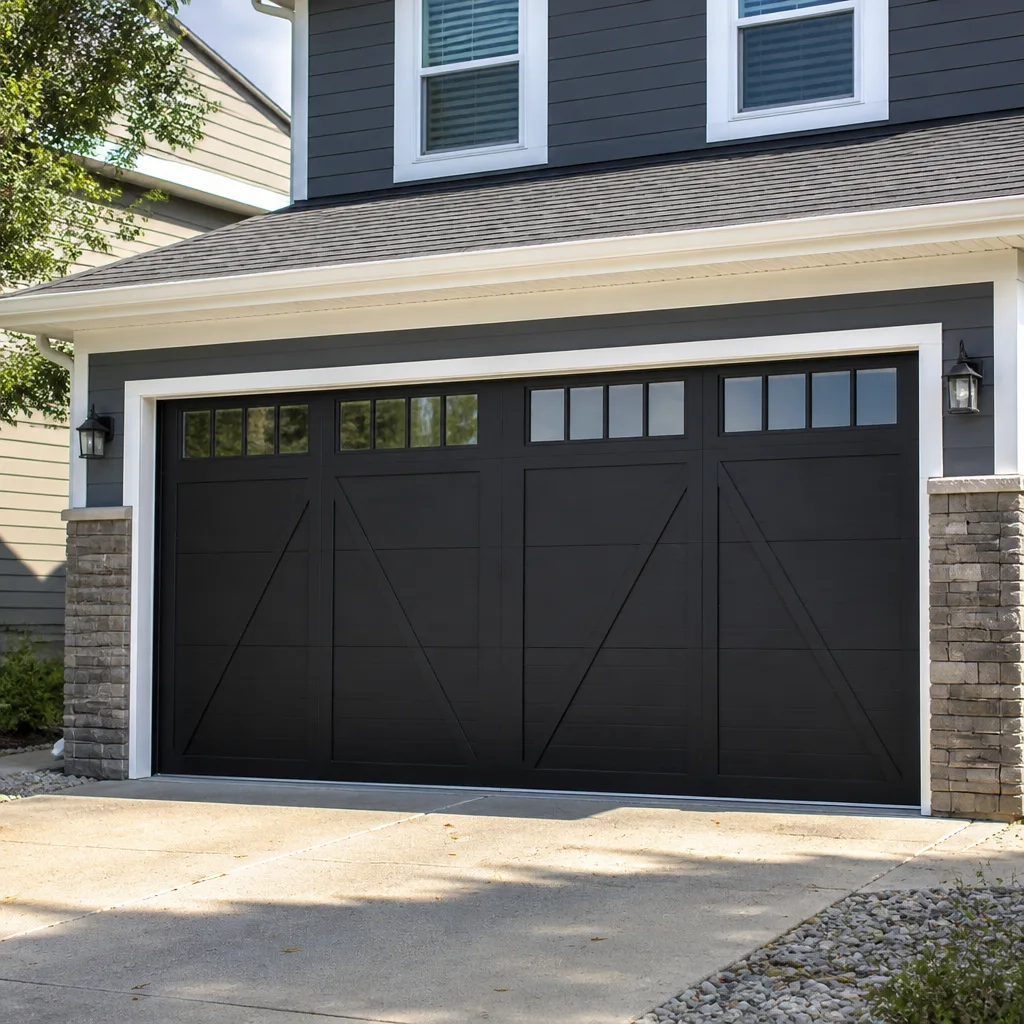 Impact garage doors
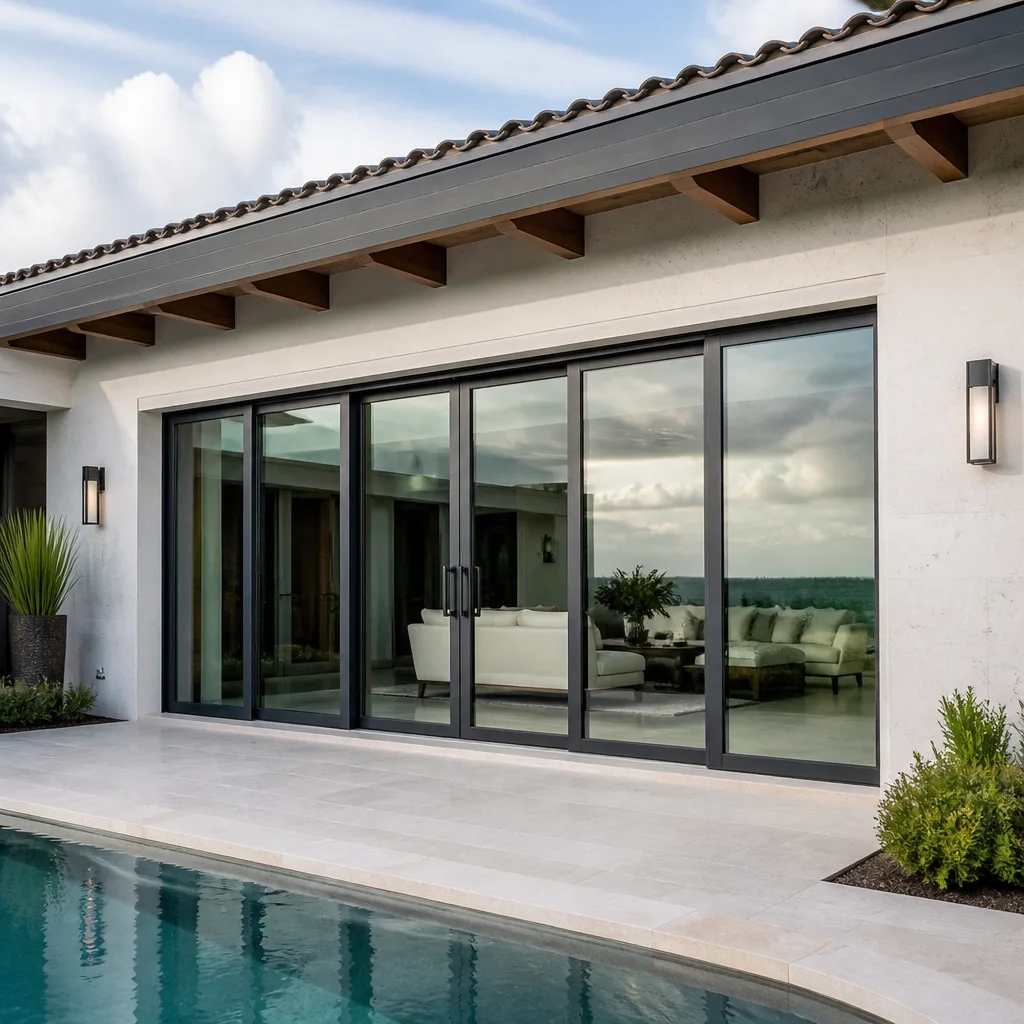 PGT
 CGI
Free in-home measure and quote - PGT, CGI and CWS impact lines compared on your actual openings, style by style
Get your free estimateWindows & Doors Emergency Preparedness Guide for Winchester Homes
Most homeowners in Winchester picture a hurricane or a tree limb when they think about window and door emergencies. That picture is wrong for this valley. The calls that actually come in from Winchester homes follow a different pattern: a monsoon downpour pushing water under a patio door threshold that had shown a hairline crack for two seasons, or a spring dust storm driving grit into a window seal until the glass fogs from the inside. Desert emergencies are slow-motion problems that finally meet a fast, hard weather event. This guide covers what to check before monsoon season, what to do in the 48 hours after a storm compromises a seal or a door, which temporary fixes actually hold up in dry heat, how to document damage for a Nevada insurance claim, and how to triage when more than one unit fails at once.
Quick Answer
Window and door emergency preparedness in Winchester means checking seals, thresholds, weep channels, and hardware before Clark County’s flash flood season begins in July, then acting within 48 hours after a dust storm or downpour to dry, document, and seal any compromise. The failures here come from extreme heat, monsoon flooding, and wind-driven dust, not from cold-weather ice. Emergency replacement should prioritize any opening that lets water inside or leaves the home unsecured first, and cosmetic damage last.
Styles & brands we work with
- Single hung
- Double hung
- Horizontal roller
- Casement
- Bay & bow
- Sliding glass doors
- Entry doors
- Impact garage doors
- PGT
- CGI
Table of Contents
- What Does “Emergency” Actually Mean for Winchester Windows and Doors?
- Pre-Monsoon Prep: What to Verify Before July
- The 48-Hour Window: What to Do After a Dust Storm
- Temporary Repairs That Work in a Desert Climate
- How to Document Damage for a Nevada Insurance Claim
- Emergency Replacement Triage: When You Can’t Fix Everything at Once
- Which Products Hold Up Best to Desert Weather Events
- Common Mistakes to Avoid
What Does “Emergency” Actually Mean for Winchester Windows and Doors?
A window or door emergency in Winchester is any failure that lets water, dust, or outside air into the building envelope, or leaves an opening that can’t be locked. That definition is different from what it would be in a colder climate. There’s no frost heave cracking a frame and no ice dam pushing meltwater under a slider. The threats here come from three directions, and each one stresses a different part of the assembly.
Extreme heat. Summer temperatures in the valley push vinyl and composite frames to their expansion limits. Frames grow during the day and shrink at night, and that daily cycling works on seals, weatherstripping, and the caulk joint at the rough opening. A seal that looks fine in March can be a thin, brittle line by August. Heat is the slow stressor that makes the fast events worse.
Monsoon flash flooding. The July-through-September monsoon drops intense rain in short bursts, and the ground in much of Clark County can’t absorb it fast enough. Water sheets across hard surfaces, pools at door thresholds, and finds every gap it can. Sliding glass doors and patio doors are the first place it enters because the threshold sits at grade, and the weep system designed to shed small amounts of water can be overwhelmed in minutes.
High-wind dust storms. The valley gets wind events that carry fine grit. That dust is abrasive, and it works its way into door tracks, hinge points, and the gasket line on a window sash. Once grit is inside a seal, every open-and-close cycle grinds it against the glazing edge. This is why a window can look normal after a dust storm and fog up a week later.
Knowing which of these three is attacking a given opening tells you what kind of repair it needs. A heat-stressed seal needs replacement. A flooded threshold needs the weep system cleared and the assembly dried before it corrodes or molds. A dust-compromised window needs a close inspection of the glazing seal before you assume it’s fine.
Pre-Monsoon Prep: What to Verify Before July
June is the month to walk your home’s openings. Once the monsoon starts, you’re reacting. Before it starts, you’re preventing, and most of the items on this list take a few minutes each. The homeowner who inspects in June is the one who doesn’t call anyone in July.
- Check every door threshold for standing water after a hose test. Run a garden hose on low against each exterior threshold for ten minutes and watch inside. If water appears on the interior side, the threshold seal, the door sweep, or the weep holes are compromised. That’s the single most common failure we see in Winchester doors.
- Clear weep holes on every window and sliding door. Weep channels are small slots at the bottom of the frame that let water drain out. Dust and debris block them over time. A blocked weep hole turns a window into a bathtub, and the water backs up into the frame or inside the wall.
- Look at the weatherstripping along every door. Run your hand along the door perimeter. Felt or foam stripping that crumbles, compresses flat, or pulls away is no longer sealing. In the desert heat, foam weatherstrip has a working life measured in a few summers.
- Inspect caulk joints at the exterior trim. Any caulk line that’s cracked, pulled, or separated from the frame is a path for monsoon water. Caulk in the valley sun degrades faster than in cooler climates, so it needs a look every year.
- Test window locks and latches. A window that won’t lock is a security and a weather problem. High wind can push on a window that’s not latched solidly, and a loose sash is a leak waiting for the first big storm.
- Look for interior fogging between panes. Fog or condensation inside a sealed unit means the glazing seal has failed. It won’t fix itself, and a failed seal is more likely to admit dust or water.
- Check for frame movement. Push gently on the jamb of each window. A frame that rocks or has a visible gap at the drywall is a sign of a settlement or installation issue that a monsoon will find.
If you’re seeing more than one or two failures, it may be time to talk to a specialist rather than patch the pieces. For homes across the Winchester area, we walk a full opening inventory and can advise on whether a repair or a window replacement is the right call for each failed unit before the season arrives.
The 48-Hour Window: What to Do After a Dust Storm
After a high-wind dust storm, the first 48 hours decide whether you’re looking at a cleanup or a full unit replacement. Fine grit that reaches a glazing seal can sit there quietly for weeks before condensation reveals the problem. If you act fast, you can remove the grit before it damages the seal or the gasket line. If you wait, the glazing edge is already etching and the unit is done.
Here’s what to do in order:
- Dry-vacuum, don’t wipe first. Using a vacuum with a brush attachment, gently remove loose dust from window sills, tracks, gasket lines, and door thresholds before you touch a rag to any surface. Wiping a dust-covered seal with a rag pushes grit into the seal line. The vacuum takes it away instead.
- Inspect the glazing seal with a flashlight at a low angle. Hold the light obliquely across the glass and the seal. Grit trapped at the seal edge shows up as a bright line or sparkle. Note which windows have it.
- Check door hardware for grit in hinge points and latches. Dust works into hinges and deadbolts. A quick dry lube (dry graphite or silicone) on the moving parts clears it without attracting more dust. Oil is the wrong choice in a desert; it holds grit.
- Watch for interior condensation over the next five to seven days. If a window fogs inside after a dust storm, the glazing seal has been compromised. Condensation is the visible proof of a failure that’s already occurred.
- Document what you found immediately. Photograph any evidence of grit, seal compromise, or water intrusion with a timestamp. If a claim follows, the photo taken in the two days after the storm carries much more weight than one taken a month later.
The 48-hour window matters because the clean-up step is what prevents the failure. Once condensation shows up inside a dual-pane unit, there’s no way to dry it out or re-seal it in place. The glass assembly has to be replaced, which means an order and an installation. For a single failed unit, a repair or a targeted replacement through our window installation service is a straightforward project. For a whole wall of failed units after one storm, the conversation shifts to triage, which is the next section.
Temporary Repairs That Work in a Desert Climate
The hardware-store emergency kit was designed for a climate with damp air and moderate seasons. A lot of it fails in the Nevada heat within a week. Adhesive tape is the classic example: duct tape left on a stucco wall in July sun bakes its adhesive into the surface and can peel paint or stucco when removed. The options below are what actually holds in the desert between a storm and a permanent repair.
What works:
- PE foam backer rod in a threshold gap. A closed-cell foam rod pushes into a wide gap at a door threshold to stop water sheeting in, and it won’t absorb water or degrade in heat. It’s the best choice for a breached threshold during an active storm.
- High-performance exterior tape rated for high heat. Not standard duct tape. Look for exterior flashing or weatherproofing tape rated to a temperature above what the valley hits. Use it on the outside face of a compromised window, not on interior surfaces.
- Polyurethane sealant in a caulk joint. Polyurethane handles UV and heat cycling better than silicone or latex exterior caulk. It’s the right temporary fix for a failed caulk joint at the frame.
- A vacuum break on a fogged window. A small piece of breathable material taped over the fogged pane lets the interior dry out and reduces condensation. It’s not a repair, but it buys time until the unit is replaced.
- Dry vacuum + wipe-down for a dust-compromised window or door. As covered above, this is the most effective single action in the first 48 hours.
What fails in the desert:
- Standard duct tape. Adhesive bakes into stucco, paint, or vinyl and can damage the surface when removed. UV also degrades the tape in days.
- Foam weatherstrip from a generic kit. The common self-adhesive foam strips compress flat and crumble in summer heat. They’ll hold a few weeks at best.
- Plastic sheeting screwed or stapled over a window. Sheeting traps heat and can discolor a frame. It also usually pulls loose in a wind event.
- Wood shims or blocks stuffed into a flood gap. Wood swells with moisture, then shrinks and splits in the dry heat. It makes the gap worse over time.
Temporary repairs protect the home until a proper fix. When you’re ready for the permanent one, having a specialist look at the opening with the right product line in hand matters more than the temporary fix itself. The Winchester Windows & Doors approach is to treat a temporary failure as a signal to inspect the whole opening inventory, not just the failed unit.
How to Document Damage for a Nevada Insurance Claim
Window and door damage from a storm event in Nevada is frequently claimable, and the quality of your documentation decides how much of the replacement the claim supports. Adjusters work off the evidence the homeowner provides. If the evidence is thin, the claim settles thin. If it’s specific, dated, and photo-backed, the claim tends to move.
Here’s the documentation set you should build the day of the event:
- Photograph wide, medium, and close. A wide shot shows the wall and the surrounding exterior. A medium shot shows the damaged unit in context with the surrounding window or door. A close-up shows the seal, the frame, or the threshold damage itself. Take all three for every damaged opening.
- Timestamp every photo. Most phones do this automatically. Keep the original files, not just the ones shared to a text or email. Original metadata matters.
- Note the weather event and date. Write down the date of the storm, the type of event, and the local reports. A monsoon date and time is a verifiable fact that ties the damage to the event. This is where a lot of claims fall apart: the homeowner knows what happened but can’t show when.
- Get a written contractor assessment. An adjuster responds well to a written assessment from an authorized installer, because it establishes what was damaged, which units are repairable, and which need replacement. Having an assessment in hand before you file helps the adjuster price the claim correctly.
- Log every interior symptom. A photo of condensation inside a sealed unit, a wet stain on drywall below a door, or a bubbled threshold gasket all belong in the documentation set. Interior damage is often the evidence that proves exterior water intrusion.
- Match the assessment to manufacturer lines. If a claim involves replacing a failed unit, the assessment should identify the brand and model so the adjuster can price the like-for-like replacement. Working with a company that carries multiple manufacturer lines, like CGI or CWS, gives the adjuster options and makes the replacement pricing transparent.
If you’re not sure whether a claim is worth filing, start with the assessment. We can walk the openings and tell you which units have documented damage worth claiming and which are pre-existing wear. Getting that assessment in hand before the adjuster visit puts you ahead.
Emergency Replacement Triage: When You Can’t Fix Everything at Once
After a hard monsoon or a series of wind events, it’s common to find several units damaged at once. Not everything can be replaced in the same week, and not everything needs to be. The triage order below keeps the damage from getting worse while you work through the units in a manageable order.
Priority 1: Water is entering. Any door threshold or window leaking to the interior gets attention first. A leaking threshold soaks the interior floor, subfloor, and drywall within hours. Every hour the water stays inside is another hour of damage. Temporary sealing goes on these openings immediately; permanent replacement follows.
Priority 2: The opening won’t secure. A window that won’t lock, a door that won’t close and latch, or a compromised unit on a ground-floor wall is a security exposure. These get addressed next, because a home that won’t secure is not a safe home regardless of the weather.
Priority 3: Sealed unit failure (condensation). A fogged window is a failed glazing seal, but it’s not letting anything new inside. Schedule the replacement; you have some time. Watch for any sign of water entering around the frame, because that shifts the unit to Priority 1.
Priority 4: Cosmetic damage. A scratched frame, a scuffed threshold, or a chipped sill that isn’t leaking. These can wait for a full inspection and a planned repair.
In practice, most homes need one or two Priority 1 openings addressed fast and a schedule for the Priority 2 and 3 units over the following weeks. If you’re unsure how to triage a specific opening, the inspection is free. Call (844) 834-0211 to book it. We answer 24/7, and we have fast dispatch from 7am to 7pm, Sunday through Friday.
Which Products Hold Up Best to Desert Weather Events
The right answer to “what should I replace with” is different after an emergency than during a planned upgrade. After a storm, the priority is a unit that will hold through the event you just survived and the heat cycle that follows. Three product characteristics determine that.
Impact-rated glazing. Impact-rated windows are designed and tested to resist high-velocity wind and wind-borne debris. In a desert setting, that performance also helps with dust storms and wind events that drive grit and debris against glass. PGT and CGI are two of the most tested names in storm-rated glazing, and for a home that’s exposed to high-wind events, an impact-rated unit is the more robust choice. The performance rating isn’t only about hurricanes; it establishes the window survived a real test.
Frame material and thermal movement. Vinyl and composite frames move more in the valley’s temperature swing than aluminum systems. On a hot wall, a lower-grade frame can open the seal joints by fall. When replacing, choose a frame with predictable thermal movement and a quality internal seal.
Door threshold and weep design. A patio or sliding door’s threshold and weep system is the most storm-exposed part of the unit. Therma-Tru fiberglass doors with a properly dialed-in threshold and weep system handle the flood-then-heat cycle that stressed the original installation. On the window side, ES Windows and ECO Window Systems are among the lines we carry for energy-efficient replacement when heat performance is the priority alongside the storm rating. Meeting the correct specifications matters more than the brand name, which is why having options across the manufacturer lines matters in a triage situation.
Because we install only windows and doors, we can recommend the product by performance and budget rather than by what’s in a single brand’s catalog. That’s the difference between a replacement that fails again next season and one that doesn’t.
Common Mistakes to Avoid
- Wiping dust off a seal before vacuuming. A rag pushes grit directly into the gasket line where it damages the glazing edge. Vacuum first, then wipe only with a clean, damp cloth.
- Using duct tape on stucco or painted surfaces. In a Winchester summer, the adhesive bakes in and can peel the surface when removed. Use a heat-rated exterior tape on the glass or frame, never on the wall.
- Waiting for monsoon season to start before inspecting thresholds. The threshold failures that flood a home in July were visible in June. A hose test in one afternoon prevents the interior water damage that takes weeks to dry.
- Filing an insurance claim without a written assessment. An adjuster without a documented, specific assessment can’t price the claim correctly. Get the assessment first, and file with evidence in hand.
- Replacing the failed unit without inspecting the rest. A single failed window after a dust storm usually means the neighboring units took the same dust load. Inspect the whole wall before ordering one replacement.
- Assuming a fogged window is a cosmetic problem. Interior condensation means the glazing seal has failed. It won’t clear, it won’t fix itself, and the unit needs replacement.
- Using oil to lubricate door hardware in the desert. Oil attracts dust and turns into an abrasive paste at the hinge points. Dry graphite or silicone is the right choice.
See the difference
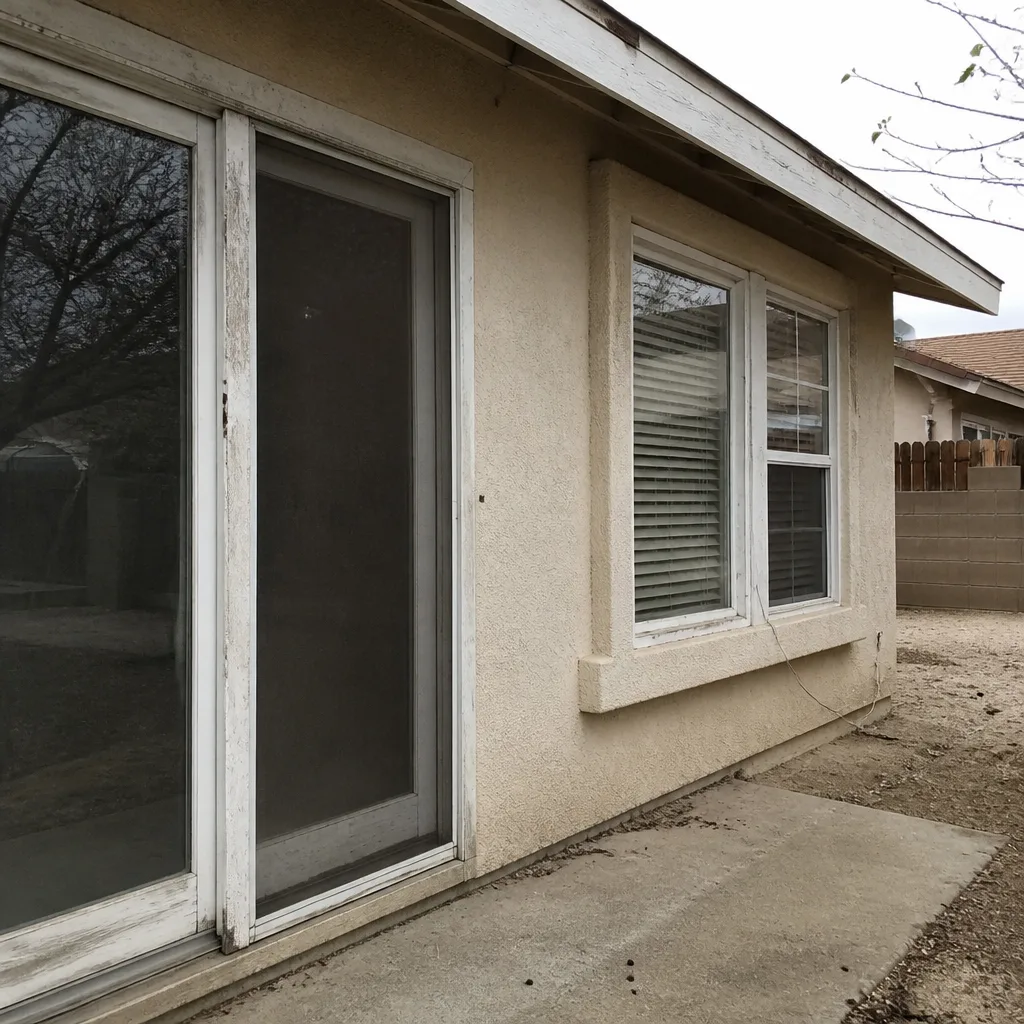 Before
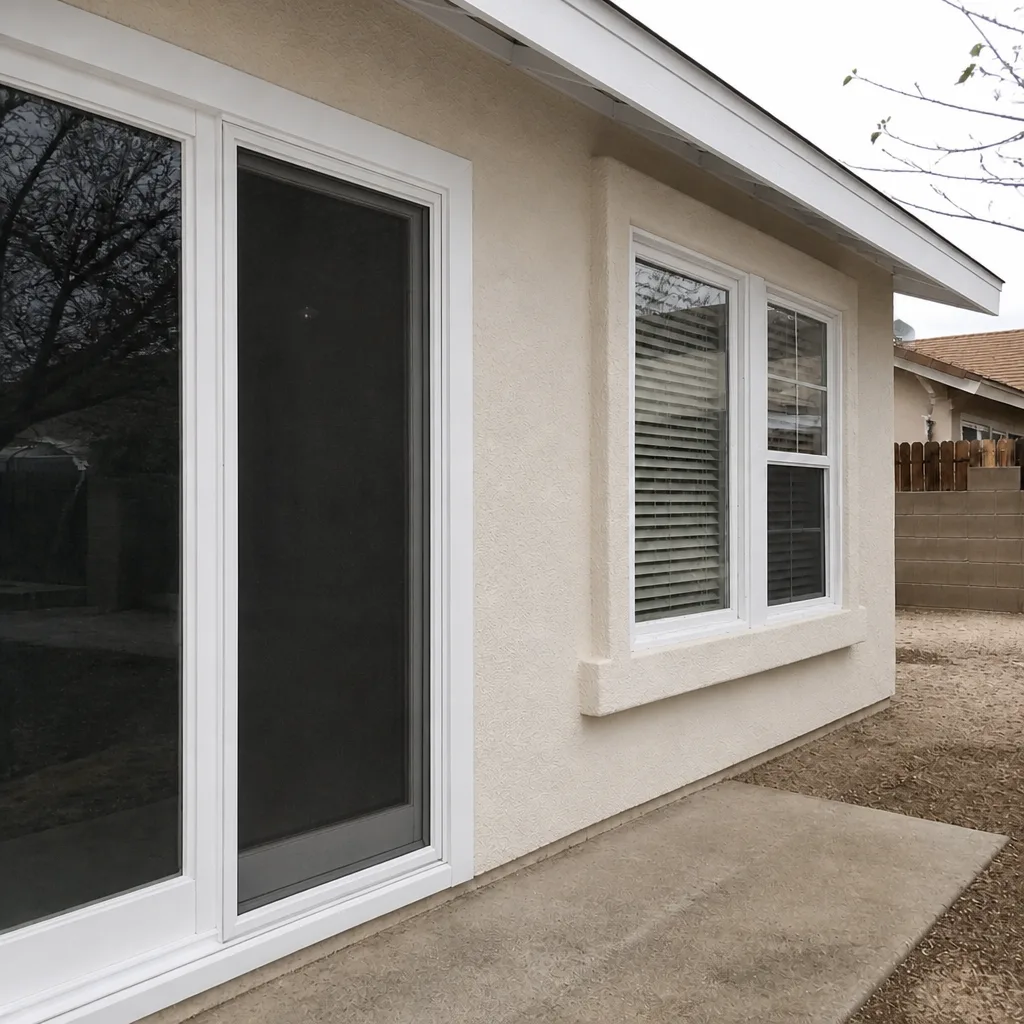 After
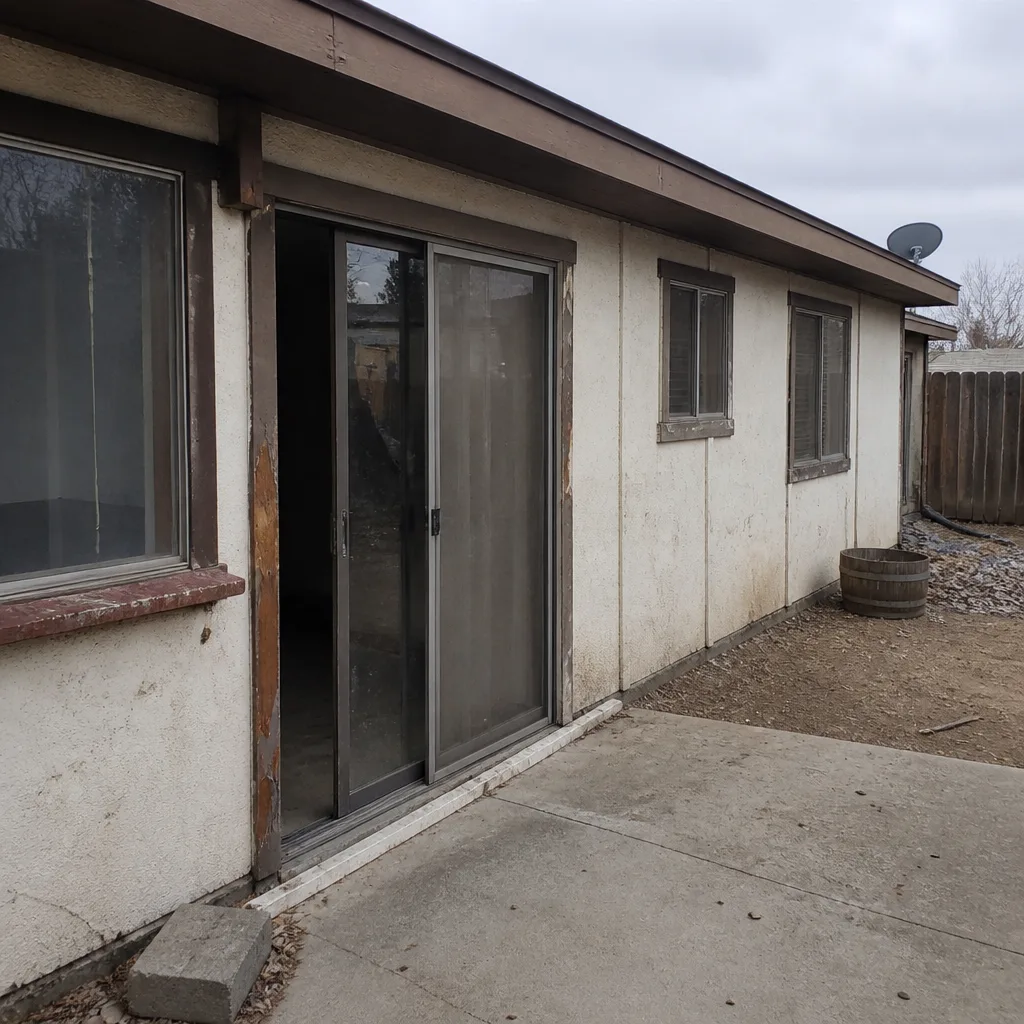 Before
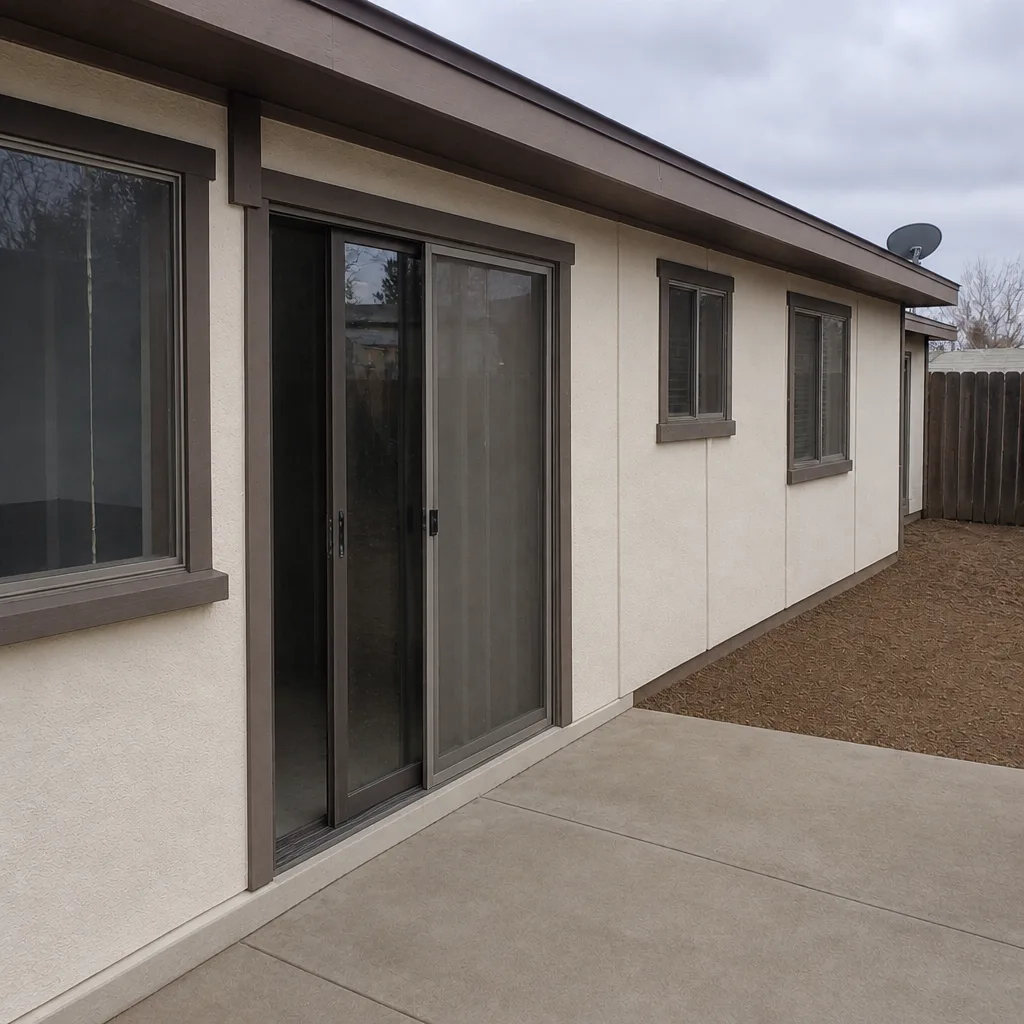 After
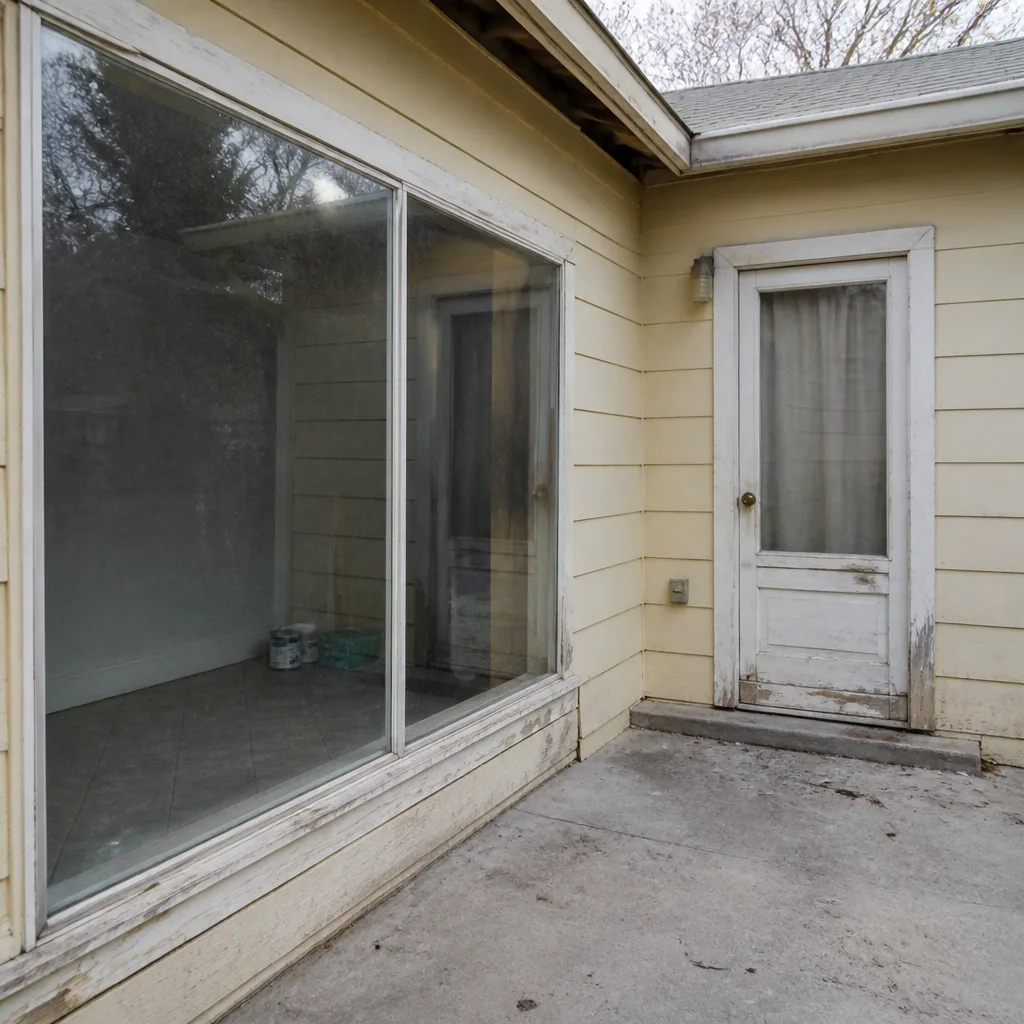 Before
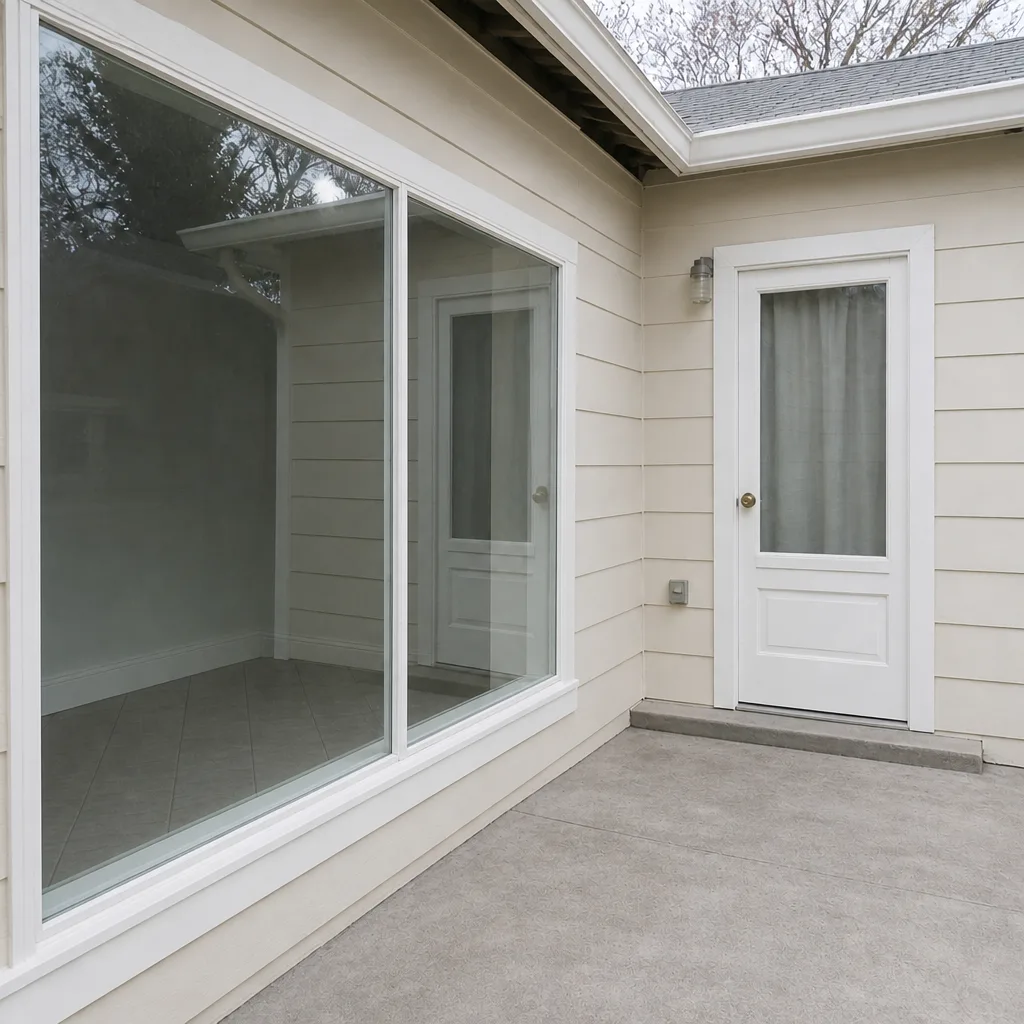 After
When to Call a Professional
Call a professional when water is entering the interior, when a unit won’t lock or latch, when condensation appears inside a sealed pane, or when more than one opening has failed at once. The triage work after a storm is when specialist support pays for itself. An experienced set of eyes can tell you which units are repairable and which need replacement, and can put a documented assessment in your hands before you file a claim.
Our technicians have up to 14 years of experience working with desert-climate window and door failures. Winchester Windows & Doors offers free estimates in Winchester. Call (844) 834-0211. We answer 24/7, with fast dispatch from 7am to 7pm, Sunday through Friday.
Frequently Asked Questions
Check door thresholds for hidden water via a hose test, clear the weep channels on every window and slider, test the weatherstripping along door edges, and look at the exterior caulk joints. Those four items catch the majority of pre-monsoon failures in Winchester homes. If anything on the list is failing, schedule a repair before the rains arrive rather than during a storm. Call (844) 834-0211 to book a free assessment.
Within 48 hours is the safe window for preventing long-term damage. Vacuum the seal line first, inspect it with a low-angle flashlight, and watch for interior condensation over the following week. Grit left in the seal can damage the glazing edge and turn a simple cleanup into a full unit replacement. If you see condensation inside the pane, the unit has failed and needs replacement. Call (844) 834-0211 for an exact quote, and estimates are free.
Storm damage to windows and doors is often claimable in Nevada when the damage is tied to a specific event and documented. The claim is strongest when you have dated photos, a note of the storm date, and a written contractor assessment identifying which units failed and why. File with all of it. If you’re not sure whether a claim is worthwhile, the assessment is the first step. Call (844) 834-0211 to schedule one; estimates are free.
A fogged dual-pane window has a failed glazing seal and needs its glass unit replaced; it can’t be re-sealed in place. The condensation is on the inside of the sealed assembly, and nothing short of a new sealed glass unit will clear it. We stock glazing from multiple manufacturer lines, so the replacement can be matched to your existing window. Call (844) 834-0211 for a free estimate on the replacement.
Closed-cell PE foam backer rod pushed into the breached gap, plus a heat-rated exterior tape on the glass or frame side, is the combination that holds up. Standard duct tape and foam weatherstrip kits fail in the desert heat within a week. The temporary fix buys time until the threshold is properly sealed. Call (844) 834-0211 for a permanent repair; estimates are free.
Prioritize any opening where water is entering the interior first, then any opening that won’t secure, then sealed units with condensation, then cosmetic damage. That triage order protects the home from further damage while you work through the replacements. A professional inspection can confirm the order for your specific openings. Call (844) 834-0211 to book the free assessment.
The Bottom Line
Window and door emergency preparedness in Winchester comes down to three habits: inspect the openings before the July monsoon, act on any dust-storm damage within 48 hours, and document everything for the insurance claim. Extreme heat, monsoon flooding, and wind-driven dust are the threats, not cold weather, and each one hits a different part of the assembly. Triage water intrusion and unsecured openings first, then schedule the rest. When you’re ready for the permanent repair, work with a specialist who carries multiple manufacturer lines and can recommend the right product for the home’s performance needs, not a single brand’s catalog.
Winchester Windows & Doors specializes in window replacement, window installation, and door installation, and we carry eight manufacturer lines, including CGI, CWS, ES Windows, ECO Window Systems, PGT, Mr-Glass, Therma-Tru, and ViewLux. Call (844) 834-0211 to schedule your free estimate. We answer 24/7, with fast dispatch from 7am to 7pm, Sunday through Friday.
Written by the team at Winchester Windows & Doors.