Last updated November 17, 2026
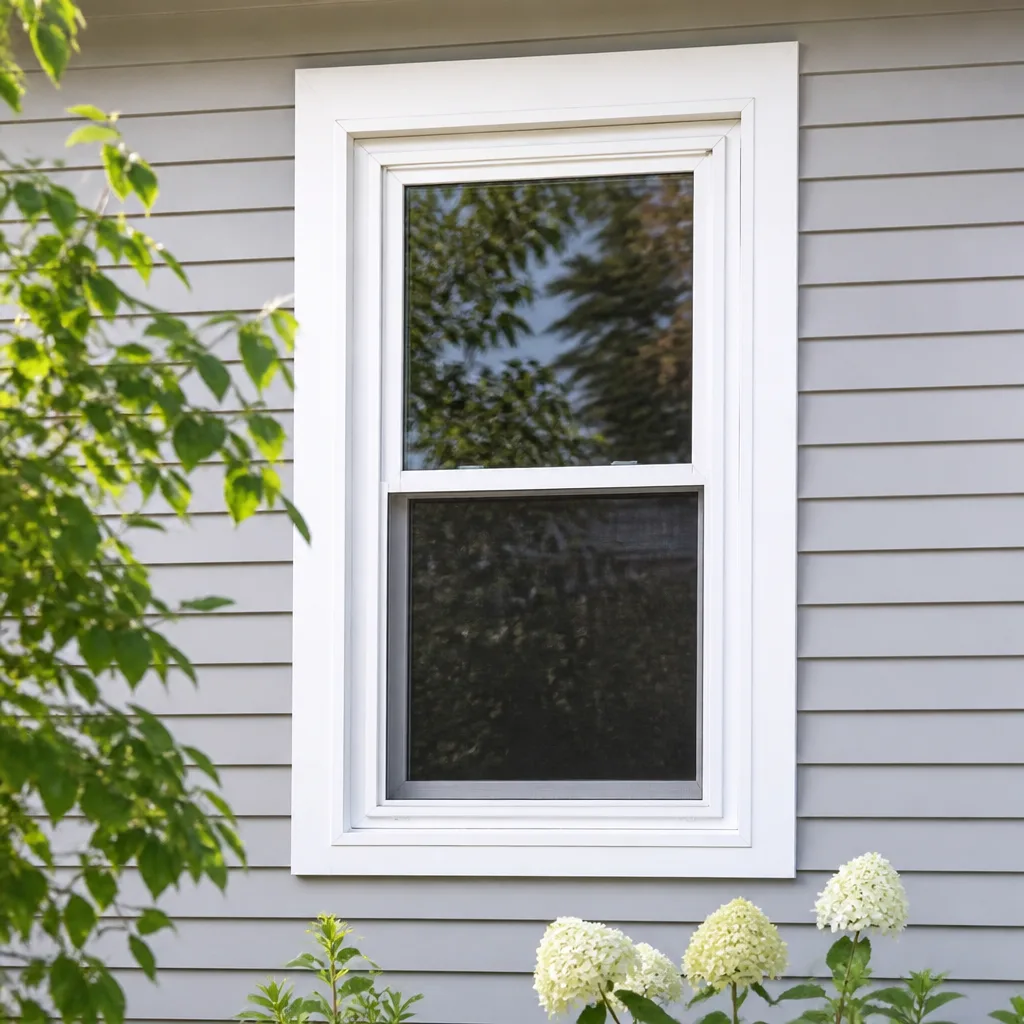 Single hung
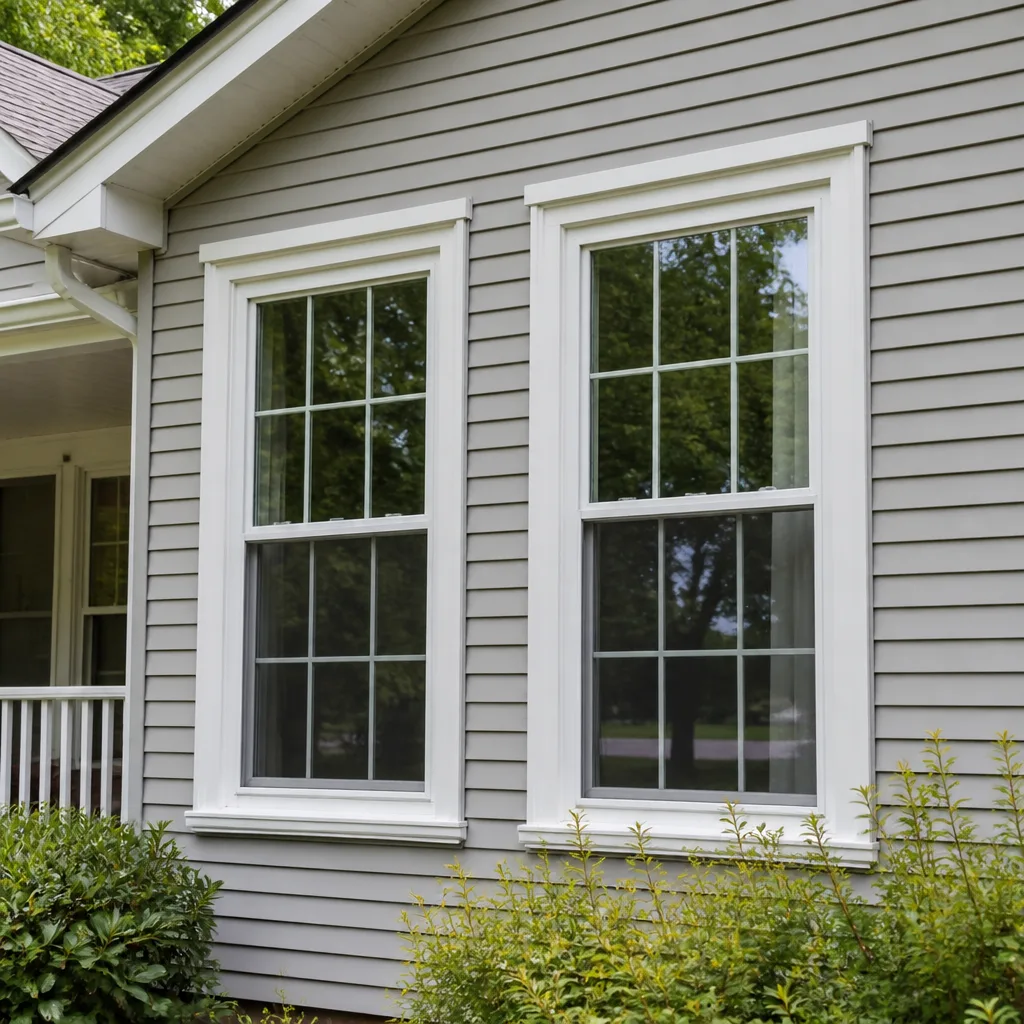 Double hung
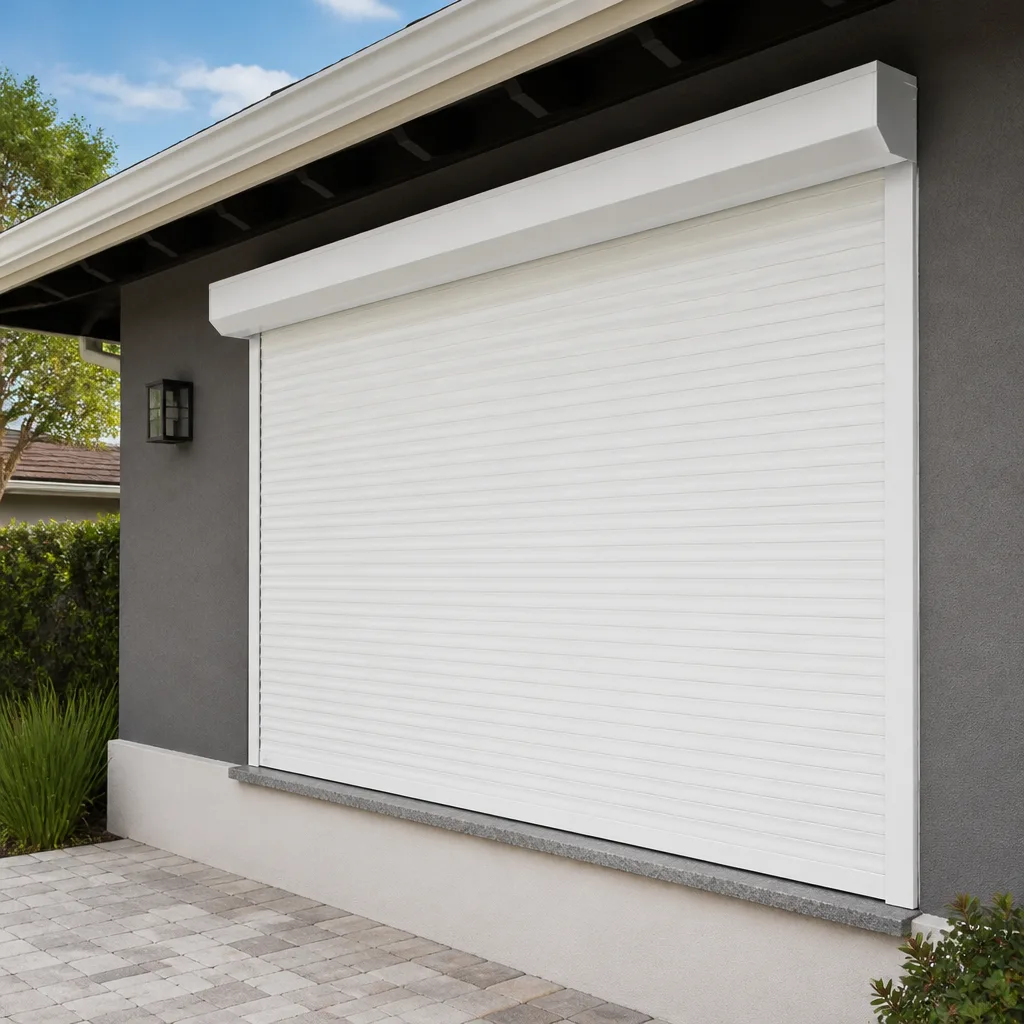 Horizontal roller
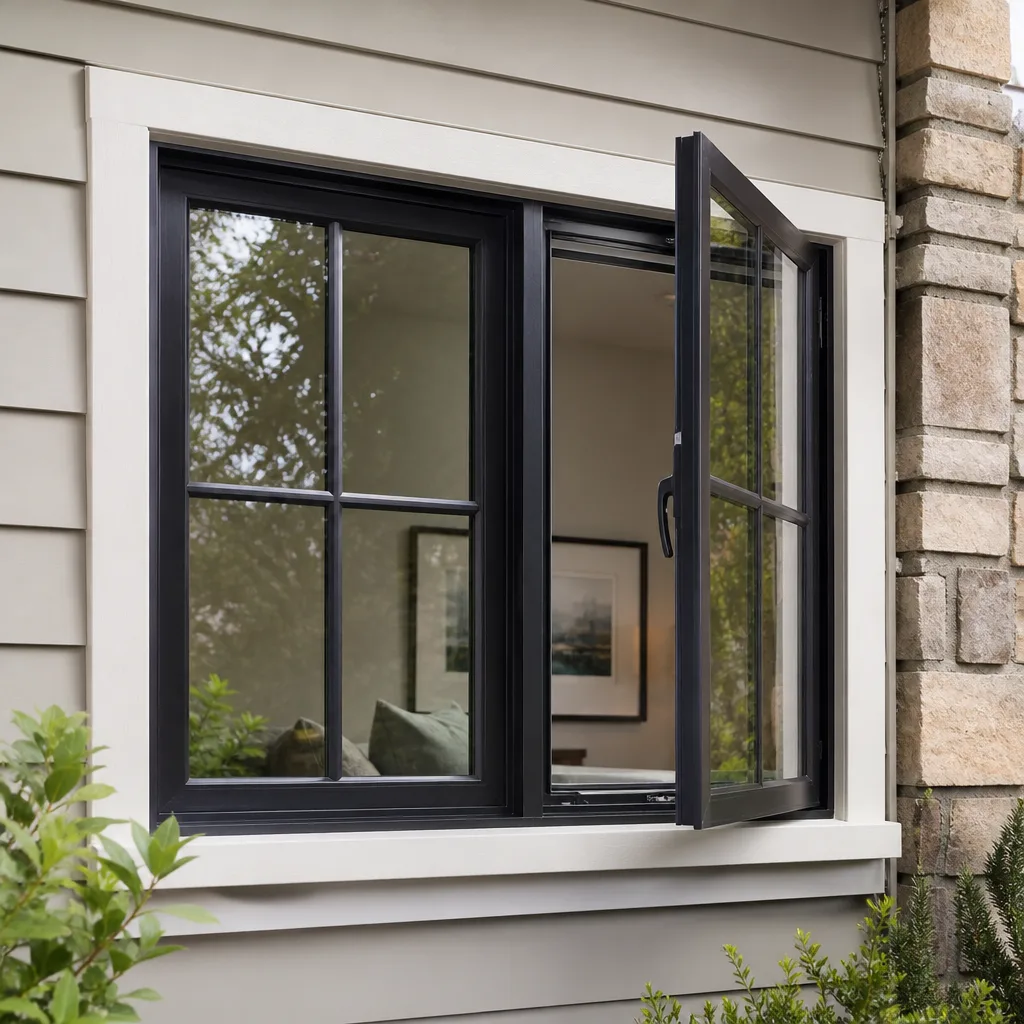 Casement
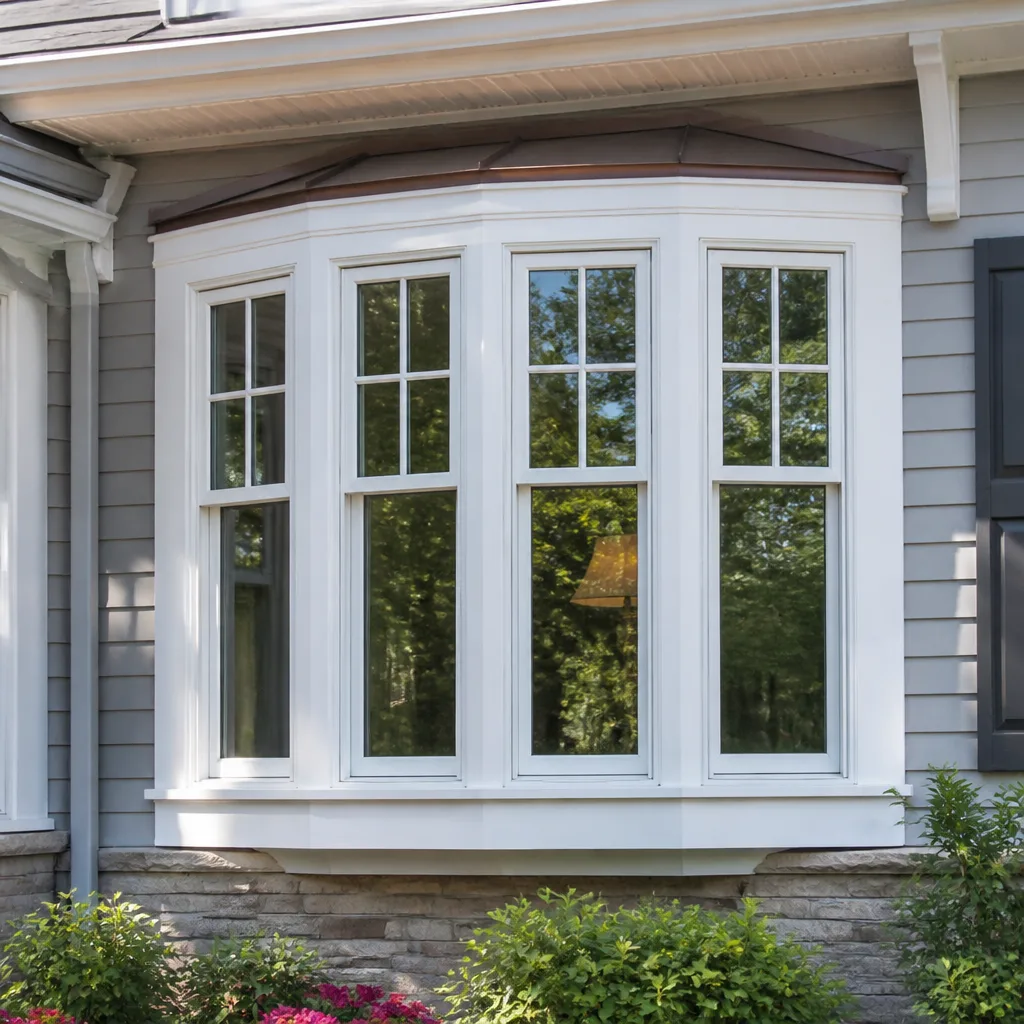 Bay & bow
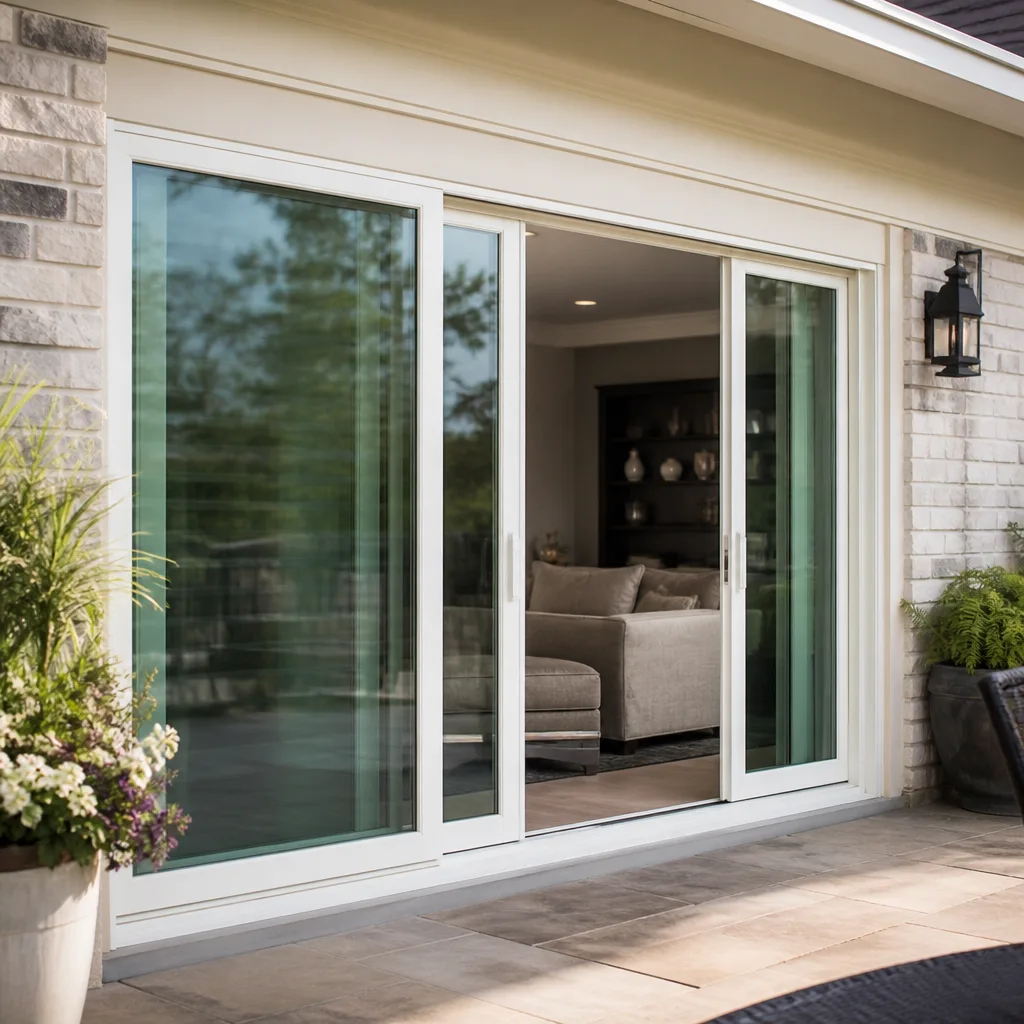 Sliding glass doors
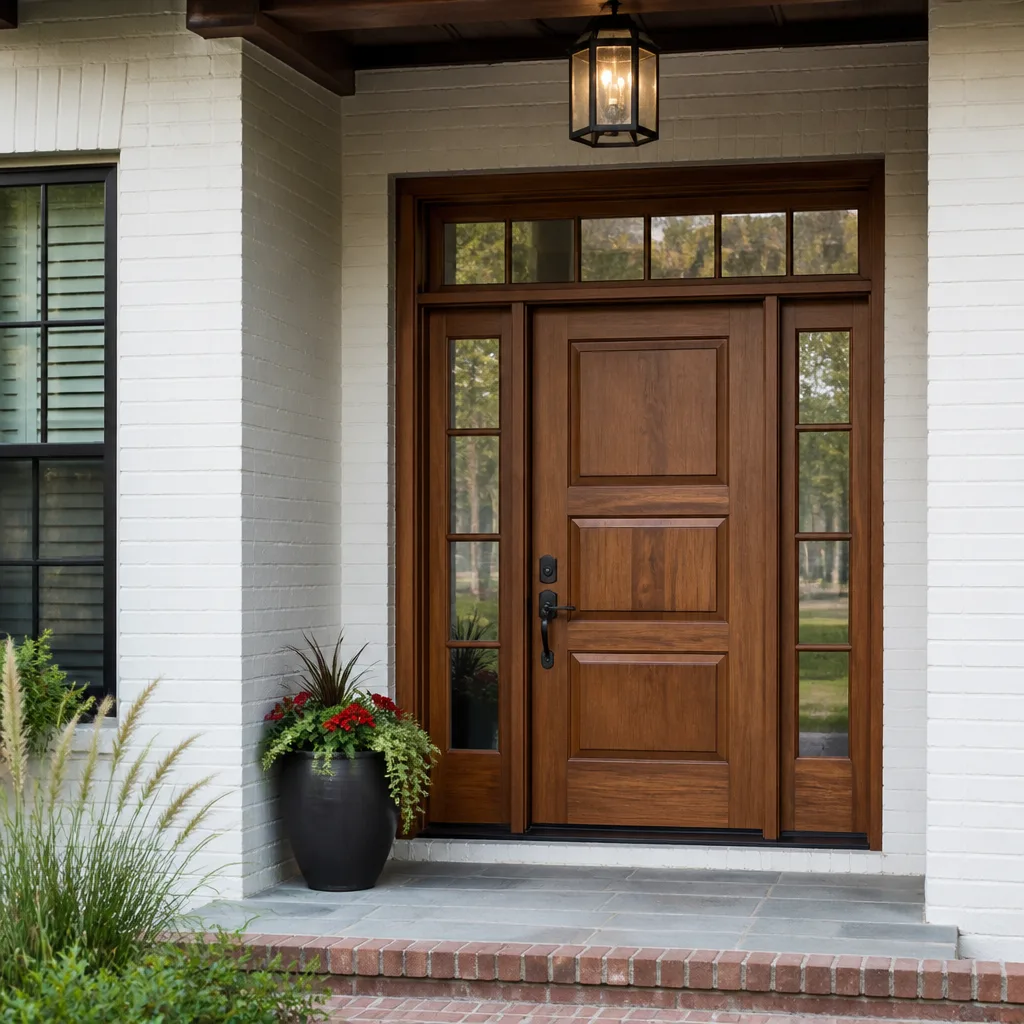 Entry doors
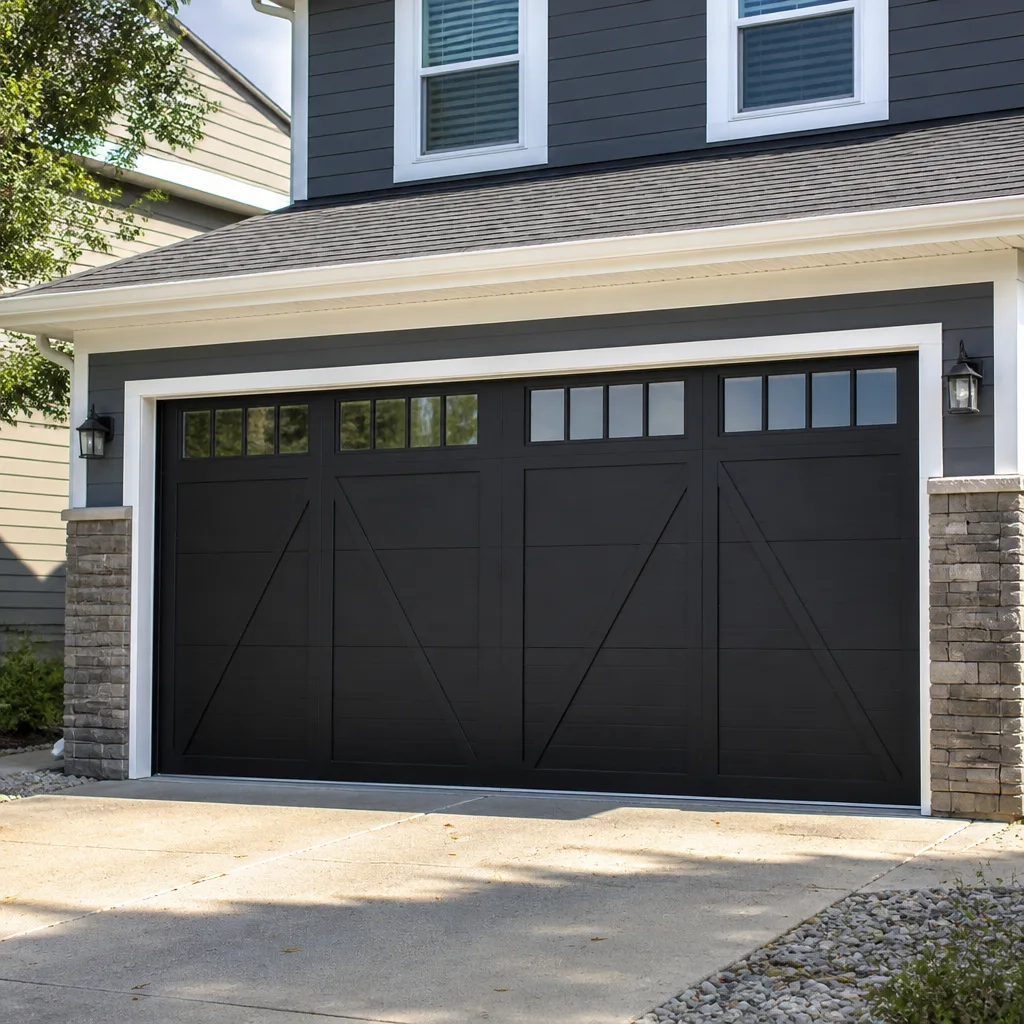 Impact garage doors
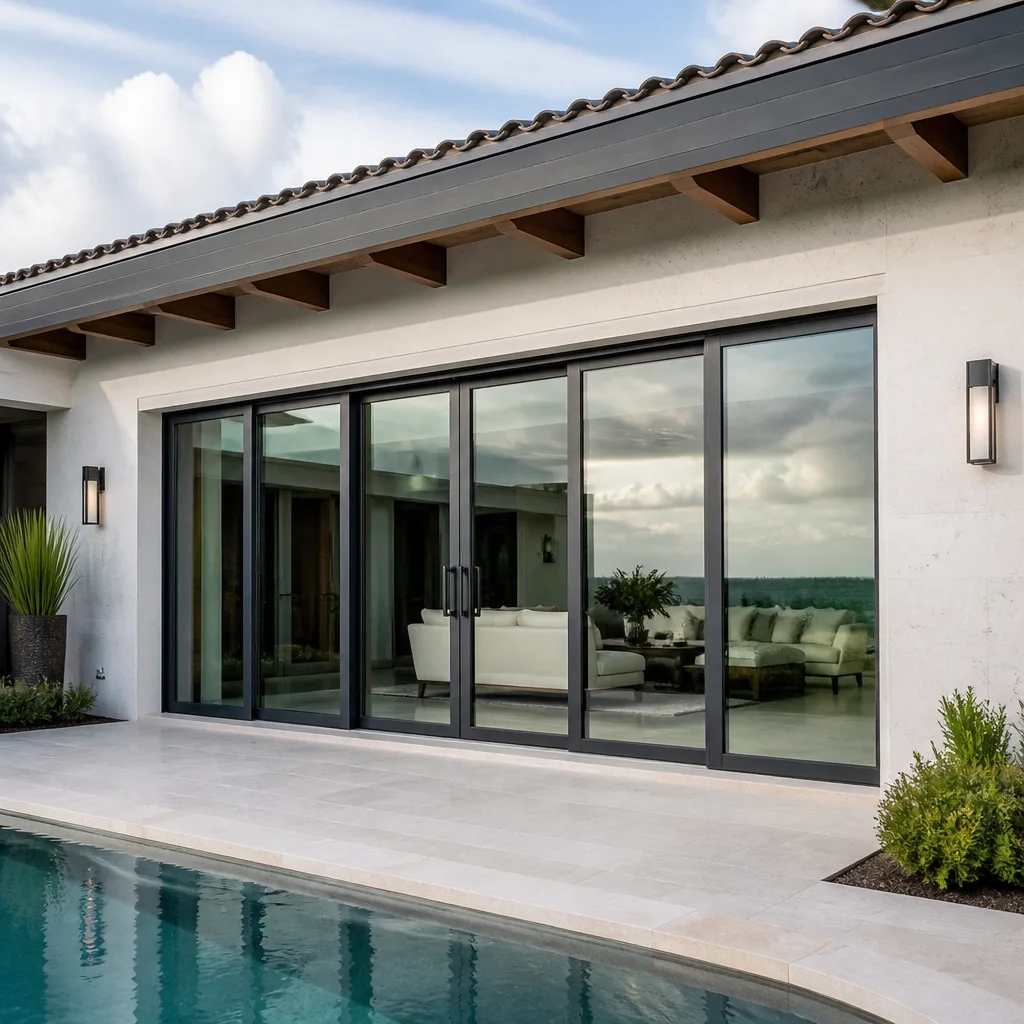 PGT
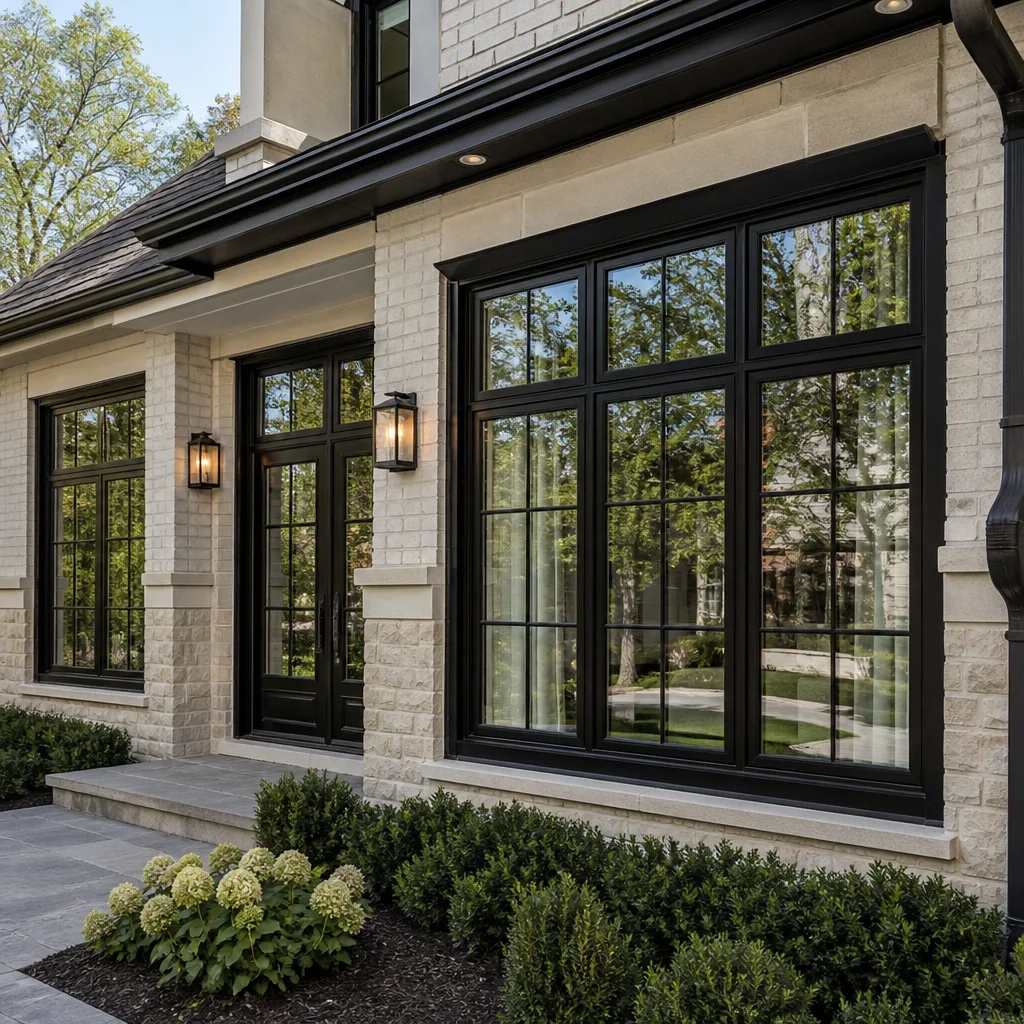 CGI
Free in-home measure and quote - PGT, CGI and CWS impact lines compared on your actual openings, style by style
Get your free estimateWindow Replacement Troubleshooting in Winchester: Common Problems and How to Fix Them
Condensation between panes is the most-searched window complaint in Nevada, and it’s also the most misdiagnosed. Homeowners in Winchester see fog inside the glass, assume the seal has failed, and start pricing a full replacement. In a low-humidity climate, interior-side condensation usually points to an HVAC or air-sealing issue, not a broken window. This guide explains how to tell a genuine product failure from an installation defect, walks through the failure patterns that show up most often in Winchester homes, and gives you a diagnostic checklist you can use before you authorize anything.
Quick Answer
Most window problems in Winchester fall into three categories: UV degradation of vinyl frames, failed dual-pane seals caused by desert thermal cycling, and moisture intrusion at the sill. The first two usually call for replacement of the sash or unit. The third is often a flashing or rough-opening defect that will affect any new window installed the same way. Diagnose the root cause before you replace, or the same failure will return.
Styles & brands we work with
- Single hung
- Double hung
- Horizontal roller
- Casement
- Bay & bow
- Sliding glass doors
- Entry doors
- Impact garage doors
- PGT
- CGI
Table of Contents
- Is It Condensation, a Failed Seal, or an HVAC Problem?
- The Three Failure Patterns We See Most in Winchester
- Failed Sash vs. Failed Frame: How to Tell the Difference
- Installation Defects That Make New Windows Fail Early
- Draft or Air Leak: Window, Rough Opening, or Exterior Trim?
- The Questions a Specialist Should Ask Before Recommending Replacement
- How to Vet a Contractor Using Those Same Questions
- Matching the Product to Winchester Conditions
Is It Condensation, a Failed Seal, or an HVAC Problem?
Where the moisture appears tells you almost everything. Take a close look before you call anyone.
- Moisture on the room side of the glass: usually humidity. Winchester sits in a dry climate, but indoor humidity climbs from cooking, showers, indoor plants, and oversized HVAC systems that short-cycle without pulling moisture out. The window is doing its job; the air in the house is the variable.
- Moisture on the exterior side of the glass: normal in the early morning when the outside air is colder than the glass surface. It clears as the day warms.
- Moisture or haze trapped between the panes: the insulated glass unit (IGU) seal has failed. This is a product failure and the IGU needs replacing, not the whole window in most cases.
Here’s the part most homeowners skip. If interior condensation shows up on one window and not the others in the same room, that single window is probably a cold spot, which means an air leak at the frame or rough opening. If it shows on every window in a room, suspect the room’s humidity and ventilation first. A bathroom with no exhaust fan and a bedroom with closed doors and no return air will fog windows in Winchester regardless of glass quality. We’ve watched homeowners replace perfectly sound units over a moisture problem that a bath fan and a $20 hygrometer would have explained. Before you spend a dollar on glass, borrow or buy a humidity gauge and take a reading. Above roughly 40 percent indoor relative humidity in a cold snap, fogging is expected and isn’t the window’s fault.
The Three Failure Patterns We See Most in Winchester
Winchester’s climate is doing specific things to specific materials, and the damage follows recognizable patterns.
1. UV degradation of vinyl frames
Southern Nevada sun is relentless, and vinyl is not immune just because it’s rated for exterior use. On older or lower-grade units, the frame surface oxidizes and chalks, colors fade unevenly, and the vinyl becomes brittle at the corners. You notice it first on west- and south-facing windows. Once vinyl goes brittle, the mitred corner joints open, and that’s when water gets in behind the frame. Sash that bind, cracked corners, and frames that crumble under a fingernail are all signs of UV breakdown. This one usually does call for replacement, because the frame itself is compromised.
2. Failed dual-pane seals from desert thermal cycling
Winchester swings between hot days and cool desert nights. Every cycle expands and contracts the spacers and sealant in a dual-pane unit. Over time the seal gives, and you get the hazy fog between panes that never clears. Once the desiccant is saturated, the unit can’t recover. The good news: the surrounding frame and sash are often fine, so the fix is the glass unit. Look for a cloudy or white film that stays put, especially in the afternoon when the heat has expanded the trapped moisture.
3. Sill and jamb rot from monsoon moisture intrusion
Winchester doesn’t get much rain, but when monsoon storms drop heavy rain in a short window, poorly flashed windows take on water fast. The damage shows at the sill and lower corners: soft wood, bubbling paint, discolored drywall inside, or staining on the interior casing. Wood subframes and older wood sills are the usual victims. Moisture intrusion in a dry climate is deceptive because the wood dries out between storms, so homeowners don’t notice until the rot is structural. Press a screwdriver into the sill; if it sinks easily, the wood’s gone.
Failed Sash vs. Failed Frame: How to Tell the Difference
This is the single most useful distinction for anyone troubleshooting a window. A failed sash is a replaceable component; a failed frame usually means a full unit replacement. Here’s a visual inspection you can do yourself in ten minutes.
- Look at the frame perimeter. Check every corner and the sill. Cracks, separation at the mitre joints, or soft wood at the sill mean the frame has failed.
- Press a fingernail or screwdriver into the frame. Vinyl that dents under pressure or wood that crumbles is degraded. Sound material resists.
- Operate the window. Hard to open or close, or a sash that won’t stay put, can be a worn balance or a warped sash. If the sash itself is sound but sits crooked, the frame or the opening is out of square.
- Check the glass unit separately from the sash. Haze between panes means the IGU failed. If the sash around it is sound, only the glass needs replacing.
- Inspect the interior casing and drywall. Staining or bubbles mean water is getting in behind the frame, which points to the opening, not the window alone.
If the frame is sound and only the glass or the sash hardware is failing, you don’t need a full replacement. If the frame is soft, cracked, or out of square, a new unit is the honest answer. A specialist should walk you through this inspection rather than jump straight to a replacement quote. When we look at window replacement in Winchester, that inspection is the first step, and it sometimes ends with “you don’t need us yet.”
Installation Defects That Make New Windows Fail Early
A high-performance window installed wrong is a short-lived window. These three defects show up again and again, and they’re the reason a replacement that ignores root cause fails within a couple of years.
Improper shimming
The rough opening in a stucco or frame wall is rarely perfectly square, and that’s normal. Windows get plumb and level through proper shims at the sill, jambs, and header. Skip them or stack them wrong, and the frame twists. Twisted frames bind the sashes, stress the glass, and open corner joints, letting in water and air. If a new window sticks a few months after installation, shimming is the first thing to check.
Missing flashing tape at rough opening corners
The corners of a rough opening are where water collects. Flashing tape has to be applied in the right order and integrated with the weather-resistive barrier so water sheds outward and down. Miss a corner or apply the tape in the wrong sequence and monsoon rain finds its way in. It may not show for a season or two, which is why the interior staining appears well after the install. This is the single most common cause of “my new window leaks” calls in Winchester.
Over-insulated cavities
In a hot climate, a fully packed cavity around a frame can trap heat against the window, and that heat stresses the frame and seal. Low-expansion foam applied with restraint, plus the right air-sealing at the interior, performs better than a cavity stuffed solid. Too much is just as bad as too little, and it’s a mistake a homeowner can’t see after the drywall goes back.
If you’re choosing a team for the work, ask how they handle flashing and shimming. Our window installation process starts with the rough opening, not the product, because that’s where most premature failures begin. It’s the difference between built to last and installed to fit.
Draft or Air Leak: Window, Rough Opening, or Exterior Trim?
A draft doesn’t automatically mean a bad window. It can come from three different places, and each has a different fix. Misread it and you’ll replace a window that was never the problem.
- The window itself: worn weatherstripping at the sash, a failing sweep at the bottom, or a sash that doesn’t close flush. These are component-level repairs. Feel along the operable edges; if the leak is at the sash, the window assembly is the source.
- The rough opening: air coming in around the entire frame, especially at the interior casing or drywall joint. That’s an air-sealing gap behind the trim, not a sash problem. Run your hand around the perimeter on a windy day. If it’s the perimeter and not the sash, sealing the cavity is the fix.
- The exterior trim: gaps in caulk at the exterior perimeter, missing backer rod, or failing trim. Wind-driven dust and air work in through the exterior face. Inspect from outside if you can do so safely from the ground; otherwise this is a job for someone with the right access.
A simple check: on a windy evening, hold a lit incense stick near the sash edge, then along the interior casing, then at the sill. Watch how the smoke moves. A leak at the sash edge is a window problem. A leak where the casing meets the wall is a rough-opening or air-sealing problem. That distinction alone can save a homeowner from a replacement they didn’t need. In a climate like Winchester’s, where heat drives air movement, an air-sealing gap can also make a room harder to cool, which is a comfort issue as much as a draft.
The Questions a Specialist Should Ask Before Recommending Replacement
The right consultation starts with questions, not a quote. If a contractor walks in and recommends replacement before asking these, take that as a signal.
- “Where exactly is the problem showing, and when?” Morning fog on the room side, afternoon haze between panes, or drips during storms each point to a different cause.
- “Is it one window or every window on that wall?” A pattern across a room points to air sealing, humidity, or a shared rough opening. One isolated window points to that unit.
- “Has anything changed recently?” A new HVAC system, a bathroom remodel without an exhaust fan, or fresh exterior paint can all shift how a window behaves.
- “Can we see the rough opening?” Any honest diagnosis of a leak requires looking behind the trim or at the exterior. A specialist who won’t pull a casing to check for water intrusion is guessing.
- “What’s the age and condition of the frame?” Frame condition, not glass condition, decides whether a full replacement makes sense.
- “What would happen if we did nothing for a year?” This clarifies urgency. A failed seal is a comfort issue; active water intrusion is a structural one.
A specialist should also ask about product preference and performance needs. At Winchester Windows & Doors we install across eight manufacturer lines, from ES Windows and ECO Window Systems to Therma-Tru for doors, so the recommendation can follow your home’s conditions rather than a single brand’s catalog. The right product for your home is not always the one a contractor has the deepest relationship with. We answer questions, not just take orders, and the questions above are the ones that shape a real diagnosis.
How to Vet a Contractor Using Those Same Questions
You can turn the diagnostic questions around and use them to evaluate whoever shows up at your door. Here’s how to read the answers.
- A specialist versus a generalist. Window and door work rewards repetition. A company that installs only windows and doors will diagnose a rough opening issue and a failed IGU differently than a general contractor who treats it as one line among many.
- Brand-agnostic versus single-line. A contractor tied to one manufacturer will recommend that manufacturer. A specialist installing across several lines can be honest about tradeoffs. Ask how many product lines they install and why they chose yours.
- Written, itemized estimates. A line-item quote for glass, labor, flashing, and any rough opening repair tells you they’ve thought about the root cause. A one-line price for “replace window” doesn’t.
- Permits and inspections. Ask whether they pull permits. Most cities require one for window replacement, and a contractor who skips permits skips inspections too.
- Workmanship warranty. A workmanship warranty covers the installation, not just the product. Ask for it in writing, specifically for flashing and air-sealing.
Impact-rated product experience is worth asking about too, especially if you’re thinking ahead to storm durability. PGT and CGI both carry strong reputations in performance glazing, and a contractor familiar with that category can tell you what makes an impact-rated assembly different from a standard one. For door projects, ask about Therma-Tru specifically. A company that installs entry and patio doors as a specialty will explain threshold and framing detail that a window-only outfit may not. In Winchester, the contractor you pick matters more than the brand on the label, because the install is where failures start.
Matching the Product to Winchester Conditions
Once you’ve diagnosed the root cause, the product choice should follow the specific conditions your window faces. Here’s how to think about it in a Winchester home.
Sun exposure. West- and south-facing windows take the most UV. Look at frame material that resists color shift and chalk, and glass that manages heat gain. Ask what the glazing does on a July afternoon, not just what the sales sheet says.
Thermal cycling. Desert temperature swings stress insulated glass units. A quality IGU with a robust seal and a strong warranty on the glass is worth paying for. If you’re replacing a failed unit, ask how the warranty handles seal failure specifically.
Monsoon moisture. Even in a dry climate, the window’s water management matters. The product matters less than how it’s integrated with flashing and sill pan. Ask to see how the installer handles the rough opening before the unit goes in.
Door projects. Entry doors take the same desert punishment as windows, and the threshold takes the brunt of storm water. Therma-Tru’s fiberglass entries hold up well in this climate and are worth a look. A door’s frame and threshold detail are as important as the panel material.
If you’re not sure which product line fits, the right approach is a consultation that starts with your conditions, not a catalog. We install from a roster that covers impact-rated, energy-efficient, and design-forward options. That breadth is the whole point: a recommendation should be shaped by where the window faces, what your HVAC is doing, and how the house manages moisture, not by which brand is on the showroom floor. In Winchester, that difference shows up in year two, not week two.
Common Mistakes to Avoid
- Replacing a window because of interior condensation. In a low-humidity climate, fog on the room side usually means a humidity or air-sealing problem, and a new window won’t change that.
- Assuming a failed IGU means a full window replacement. If the frame is sound, replacing the glass unit saves significant money. Confirm the frame condition before you sign for a full unit.
- Ignoring the rough opening when a new window leaks. A leak that starts a season after install is almost always flashing or air-sealing, not the window.
- Choosing a contractor by brand relationship instead of diagnosis. A single-line contractor recommends their line. A specialist across several lines can be honest about what you actually need.
- Packing the perimeter cavity solid with foam. Over-insulation traps heat against the frame in a hot climate and can damage the unit. Restraint and proper air sealing perform better.
- Skipping the sill inspection. Press a screwdriver into the wood sill. If it sinks, moisture has been getting in for a while, and a replacement on the same rough opening will leak again.
- Not asking for a workmanship warranty in writing. Product warranties cover the window; workmanship warranties cover the installation, which is where failures start. Ask for both.
See the difference
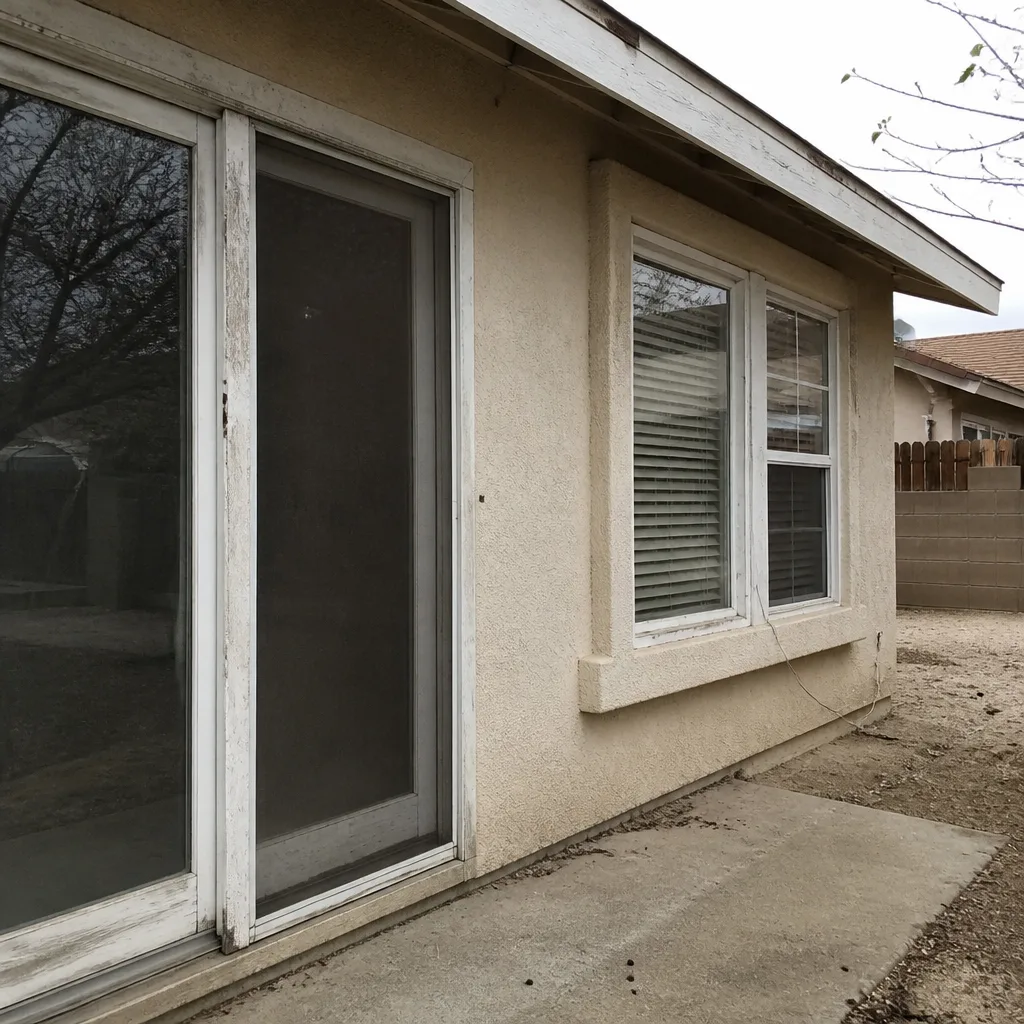 Before
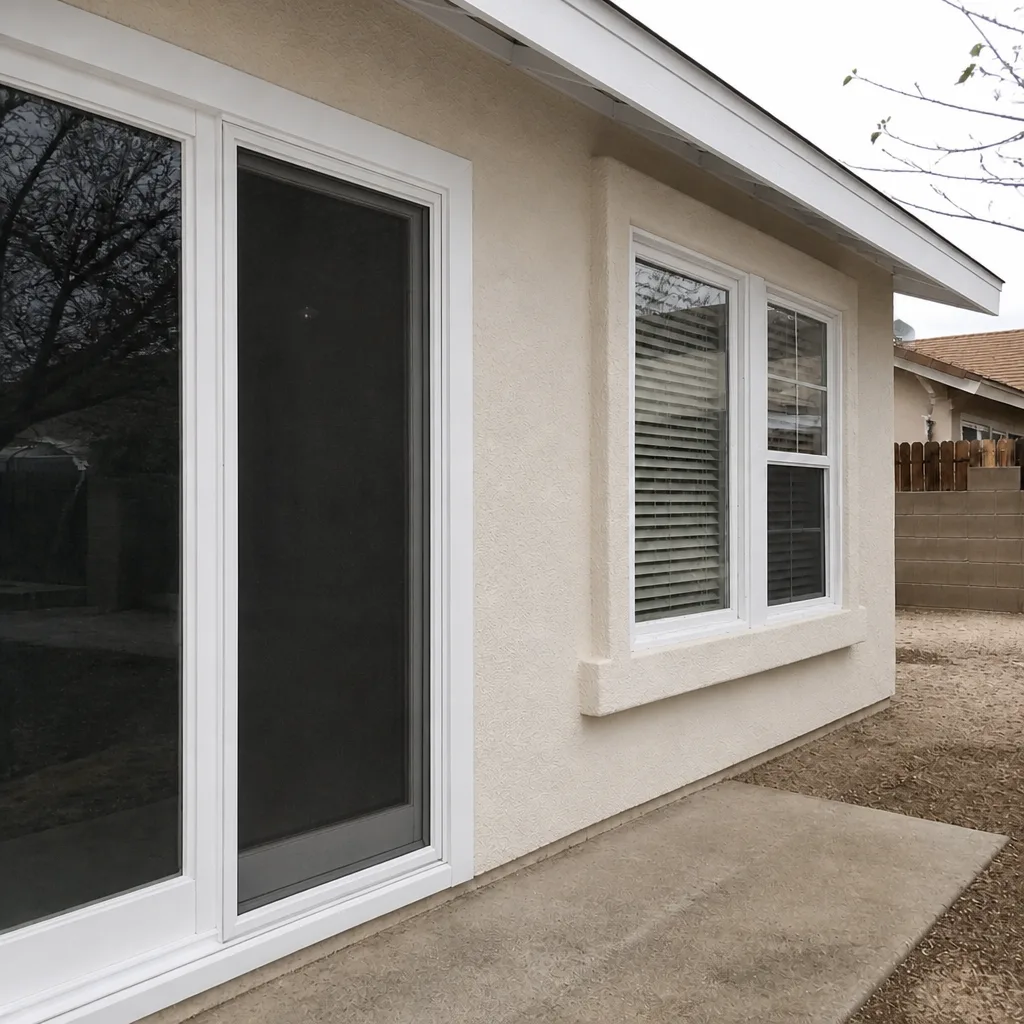 After
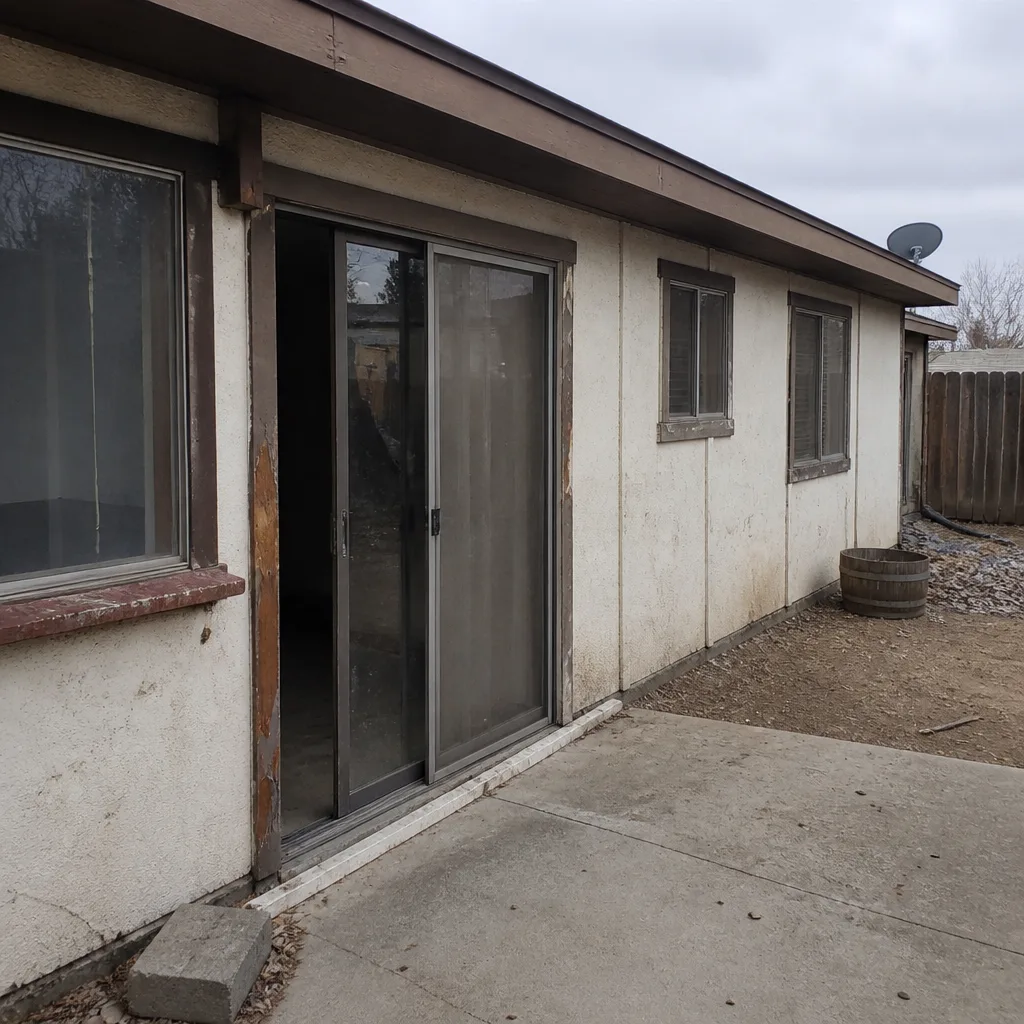 Before
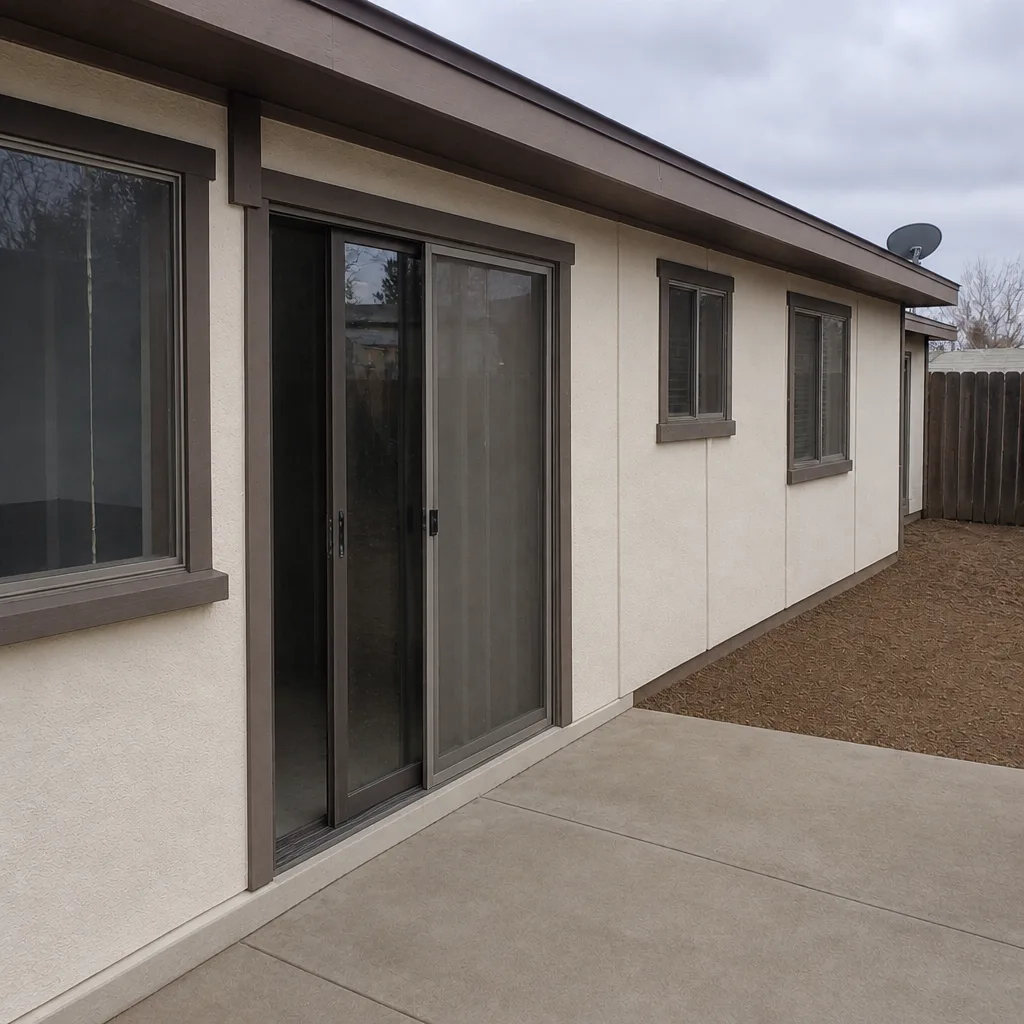 After
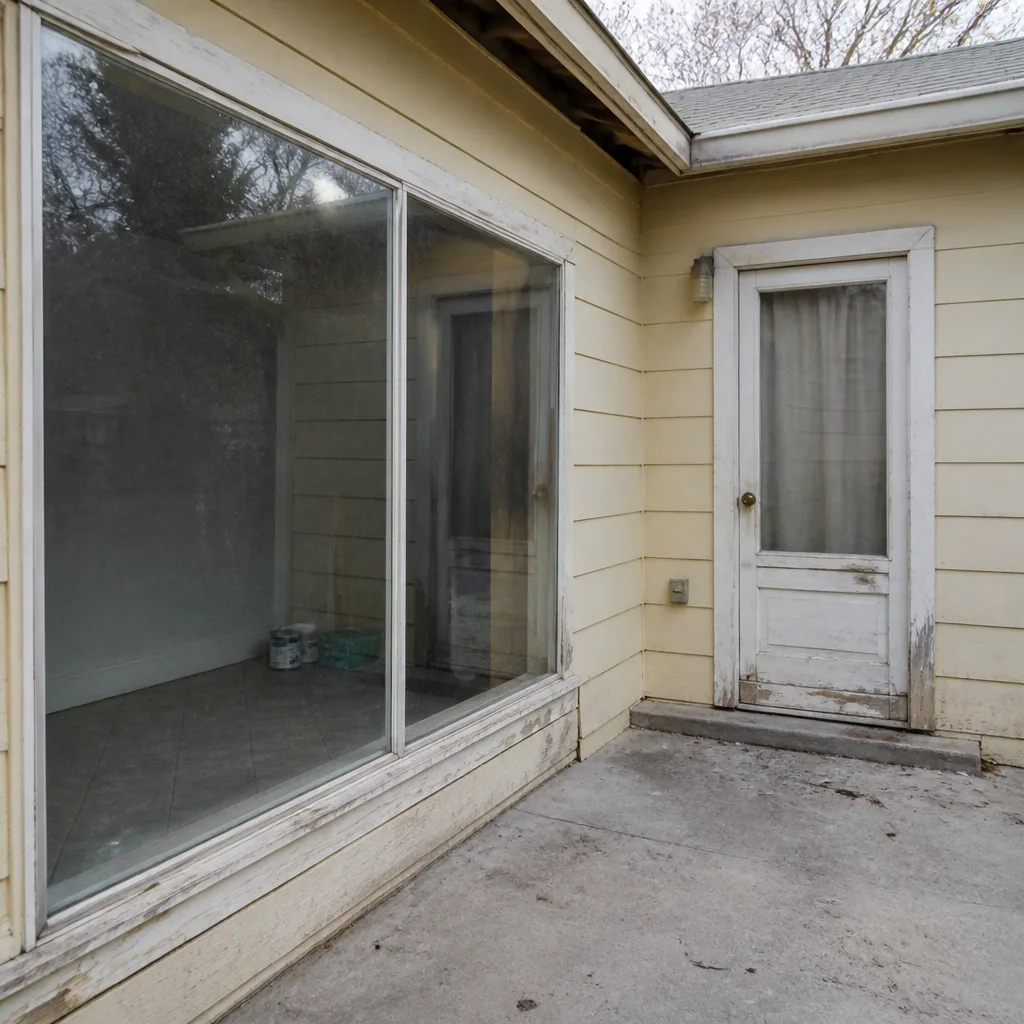 Before
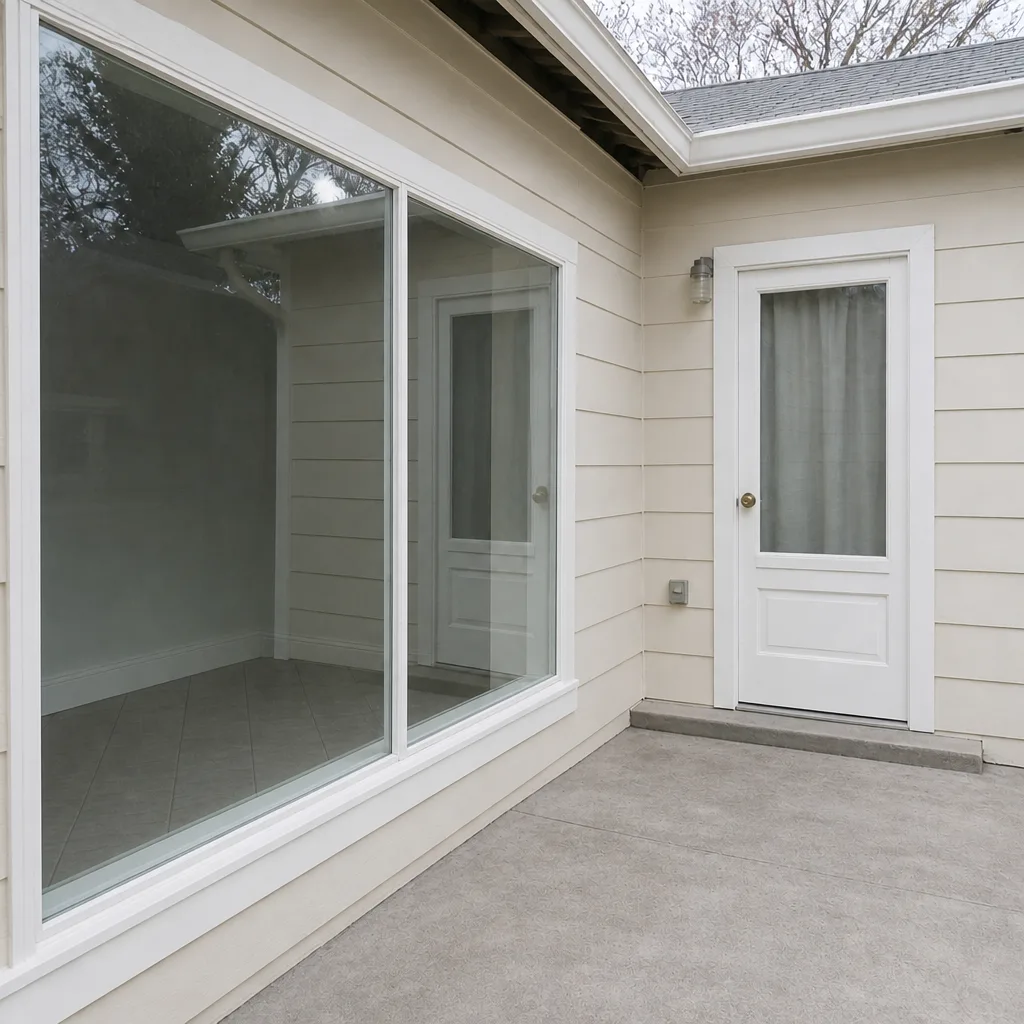 After
When to Call a Professional
Some of what this guide covers is worth checking yourself: a humidity reading, an incense stick at the sash, a screwdriver in the sill. But certain situations call for a trained eye.
Call a professional when water is getting into the wall around a window, when the frame is soft or cracked, when a window is hard to open or won’t stay closed, when a frame is out of square, or when you’re not sure how old the install is or how it was flashed. Height work, exterior trim inspection, and any job that requires opening up or replacing a rough opening are also not homeowner tasks. A specialist can tell the difference between a repair and a replacement and quote both honestly.
Winchester Windows & Doors offers free estimates in Winchester. Call (844) 834-0211. We answer 24/7. Fast dispatch from 7am to 7pm, Sunday through Friday.
Frequently Asked Questions
Cost depends on unit size, product line, glass package, and whether the rough opening needs repair. Because we install across eight manufacturer lines, we can quote multiple options against your budget. Every estimate is free, written, and itemized, so the number you see is the number that holds. Call (844) 834-0211 for an exact quote. Estimates are free.
Fog between panes means the sealed glass unit (IGU) has failed and moisture has entered the space between panes. It won’t clear on its own. In most cases the glass unit can be replaced without replacing the entire window, provided the frame is sound. Call (844) 834-0211 to schedule an inspection and a free estimate.
Not usually. Interior condensation in a dry, low-humidity climate like Winchester’s typically points to indoor humidity or an air-sealing gap around the frame, not a failed window. Check with a humidity gauge and run the incense-stick test at the sash edge before you assume replacement. If you’re unsure, call (844) 834-0211 and we’ll help you sort it out.
Yes, when the frame is intact. A failed IGU, worn weatherstripping, or a broken balance can often be repaired. A soft, cracked, or out-of-square frame usually can’t. The frame inspection in this guide is the deciding factor. Call (844) 834-0211 for a free estimate on either path.
Most cities require a permit for window replacement, and the specific rules can vary by jurisdiction. Ask your city’s building department what applies to your address before work begins. A contractor should be willing to pull the permit and make sure the work passes inspection. Call (844) 834-0211 if you’d like to talk through the process.
We install from eight manufacturer lines, including PGT, CGI, ES Windows, ECO Window Systems, Mr-Glass, Therma-Tru, CWS, and ViewLux. It matters more than most homeowners expect, because the right line depends on sun exposure, glass package, and your budget. Because we install across several brands, we can recommend based on your home rather than a single manufacturer. Call (844) 834-0211 for a consultation and a free estimate.
The Bottom Line
Most window problems that get blamed on the product are actually caused by installation, air sealing, or humidity. Diagnose before you replace: check the frame with a screwdriver, distinguish between inner and outer condensation, and find out whether a draft is coming from the sash, the rough opening, or the exterior trim. A fresh window on a bad rough opening will fail again, so the root cause has to be fixed first. Winchester’s climate, with its UV and thermal cycling, punishes poor installation faster than most places. If you’re in Winchester and working through this, call Winchester Windows & Doors at (844) 834-0211 for a free, itemized estimate.
To schedule a free estimate in Winchester, call (844) 834-0211. We answer 24/7. Fast dispatch from 7am to 7pm, Sunday through Friday.
Written by the team at Winchester Windows & Doors.